Is Honduras Safe for Tourists? Regions, Risks and Advisories
In this guide
Honduras carries a Level 3 — Reconsider travel rating from the US State Department, issued 25 August 2026, for crime and terrorism, with one department — Gracias a Dios — at Level 4, Do Not Travel. That is the headline, and it is countrywide. The Bay Islands are not carved out of it.
That single fact is where most writing about Honduras goes wrong. Plenty of guides state that Roatán, Utila and Guanaja sit under a lower advisory level than the mainland. They do not. What is true is more nuanced, and it comes from a different government: the UK Foreign, Commonwealth and Development Office draws a line in its wording, advising against walking around the mainland’s main cities while describing the Bay Islands’ problem as petty theft. That is a difference in the kind of risk, not a difference in rating.
This guide sets out exactly what the US, UK and Canadian advisories say, region by region, and what it means in practice. It is not an argument for or against going. It is the source material, with dates attached, so you can decide.
The three advisories side by side
| Government | Overall position | Areas singled out | Checked |
|---|---|---|---|
| United States | Level 3 — Reconsider travel, crime and terrorism; advisory issued 25 August 2026 | Gracias a Dios: Level 4, Do Not Travel. No other area given its own level | travel.state.gov |
| United Kingdom | No numeric level; detailed safety advice, page updated 19 October 2026 | Avoid walking in Tegucigalpa, San Pedro Sula and other mainland towns and cities; petty theft flagged in tourist areas including the Bay Islands | gov.uk |
| Canada | Exercise a high degree of caution, with regional advisories; updated 13 October 2026 | Avoid non-essential travel to Gracias a Dios, Olancho, Yoro, Colón (except Trujillo), Choluteca city, Comayagüela, parts of San Pedro Sula, Choloma, and 20 km border strips with exceptions | travel.gc.ca |
Two things stand out when you lay them next to each other. First, the three governments broadly agree on where the problem is concentrated: particular mainland departments, particular city neighbourhoods and particular roads. Second, none of them puts the Bay Islands on a separate, lower tier — Canada’s regional list simply does not mention them, which leaves them at the baseline national level, and the US explicitly includes them.
Region by region, per official sources
Gracias a Dios — the only Level 4
The US advisory is unambiguous: “Do Not Travel to Gracias a Dios department for any reason.” It describes the department as remote, with poor infrastructure, few government services and little police or military presence, where drug trafficking is common and violent crime including armed robbery and murder is common. US government employees are not permitted to go there, and the advisory says the US government has limited ability to provide emergency services in the department. Canada also lists it under avoid non-essential travel.
This is the Mosquitia, and it is not a mainstream tourist destination. If an operator is selling a trip there, read all three advisories first.
Tegucigalpa, San Pedro Sula and the central corridor
The State Department says “the north coast and central parts of the country have the highest crime rates” and that “walking is not recommended within Tegucigalpa or San Pedro Sula due to crime and danger from moving vehicles.” Its list of designated high-crime zones — places where US government employees need prior approval to drive — covers more than a dozen named neighbourhoods in the Distrito Central (Francisco Morazán) and in Cortés, including Chamelecón, Choloma, Rivera Hernández and La Planeta, plus the whole department of Colón.
The FCDO is blunter in phrasing and narrower in scope: avoid walking around Tegucigalpa, San Pedro Sula “and other main towns and cities in mainland Honduras,” and take particular care at bus stations, airports, isolated beaches, tourist sites and on public transport. Canada’s list adds the city of Comayagüela, the city of Choluteca, and the departments of Olancho and Yoro.
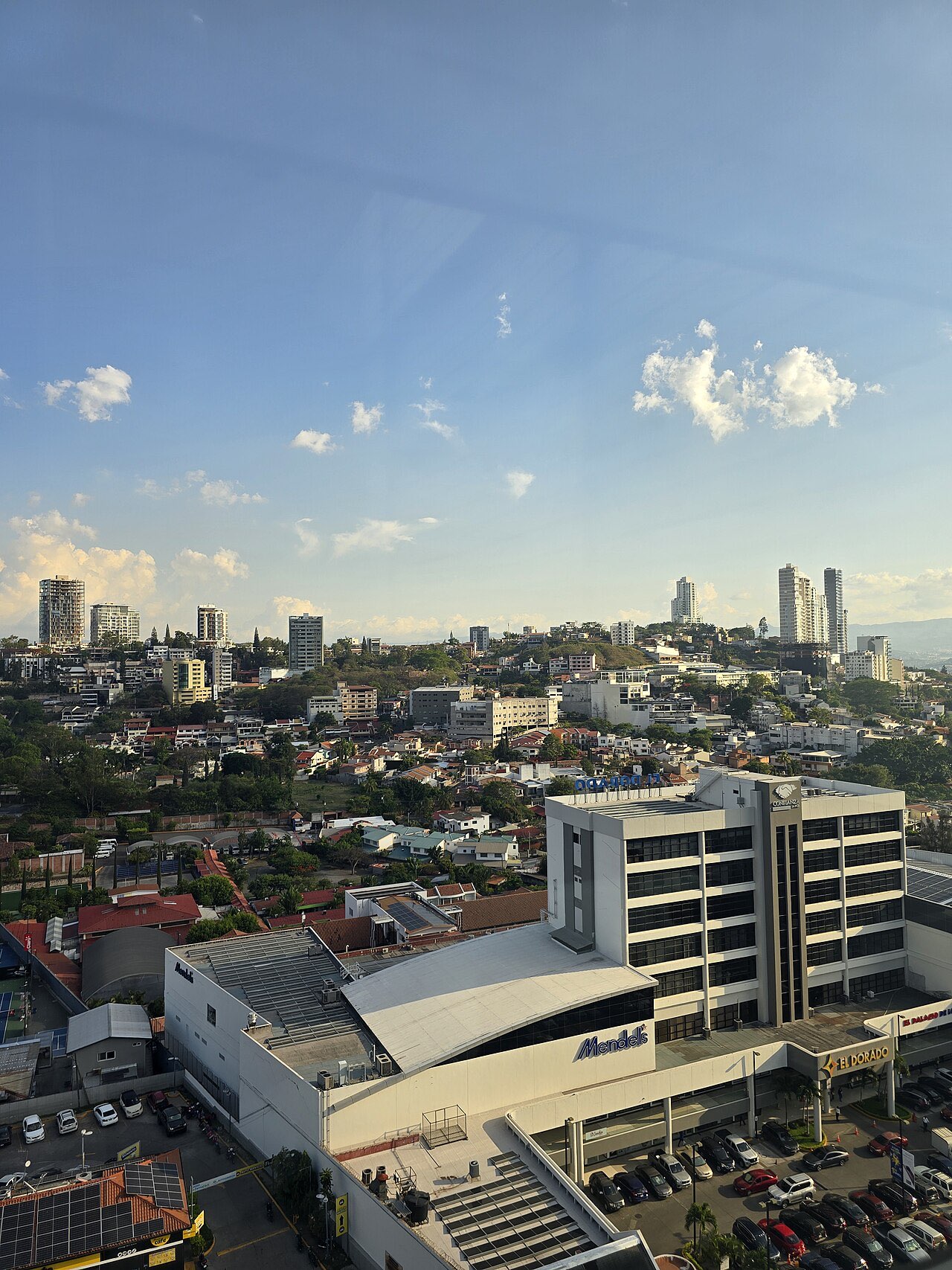
Most visitors pass through these cities rather than stay in them; our Tegucigalpa and San Pedro Sula guide covers transiting them sensibly.
The north coast and La Ceiba
The north coast is both the gateway to the islands and, per the US advisory, among the higher-crime parts of the country. The FCDO names “in and around Tela, La Ceiba, Trujillo and El Progreso” among roads where there have been violent attacks on people in cars and buses, and notes that protests are normally concentrated in Tegucigalpa, San Pedro Sula and La Ceiba.
In practice most island-bound travellers see La Ceiba only as a ferry terminal and an airport. If you are spending time there — or going on to Pico Bonito — arrange transport through your hotel or tour operator rather than improvising, and keep to daylight for road movements. Our La Ceiba guide covers the logistics.
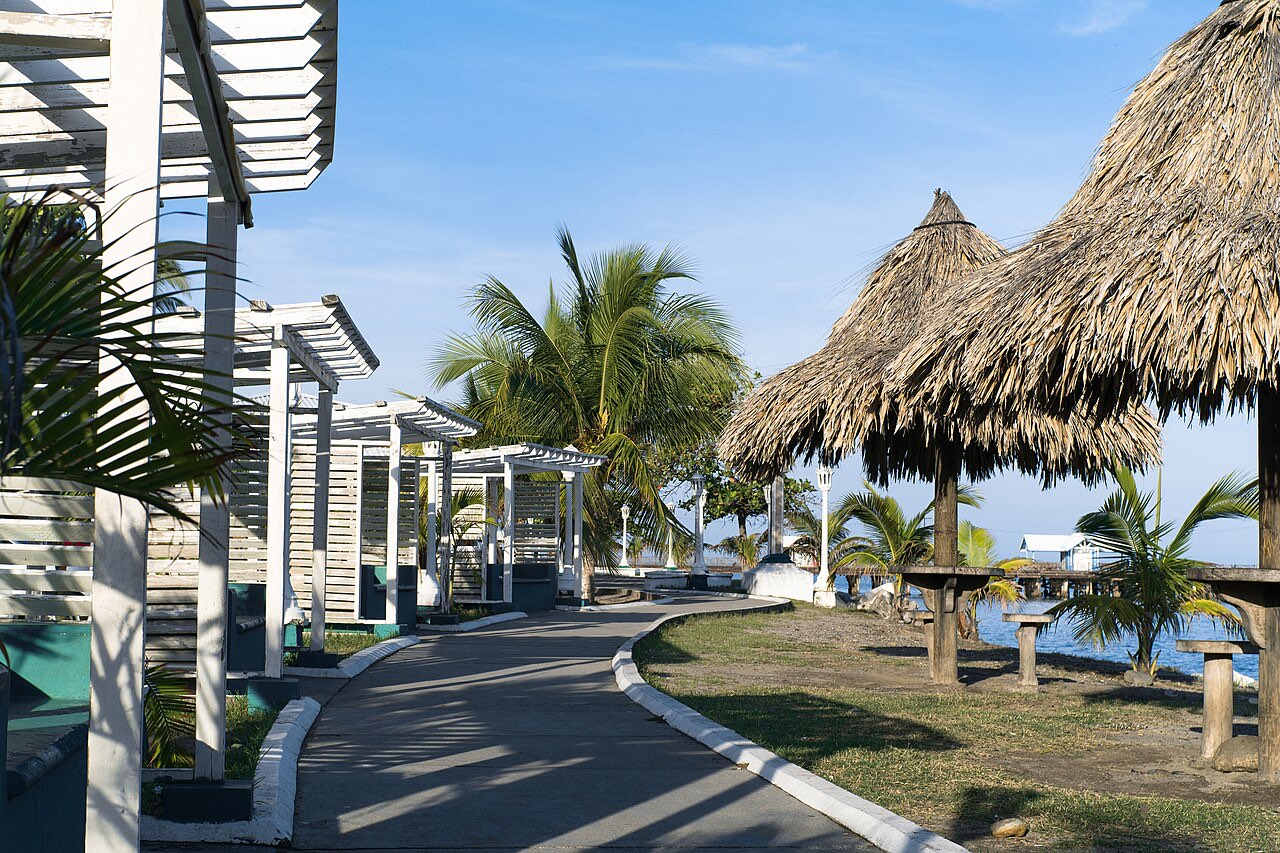
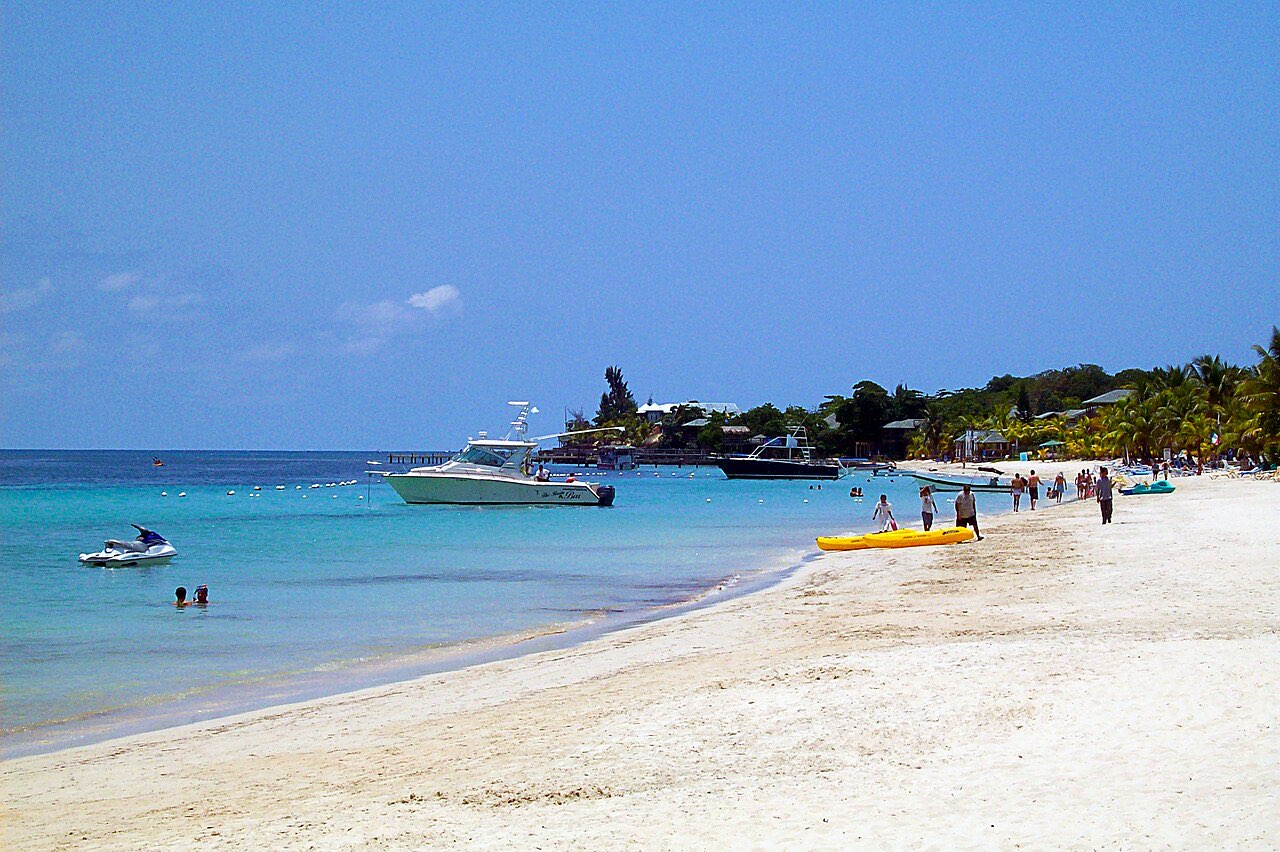
The Bay Islands: Roatán, Utila, Guanaja
Here is the precise position, because it matters.
- The US Level 3 applies. The advisory’s only sub-level is Gracias a Dios. The Bay Islands appear in the advisory’s country description — “Honduras also includes the Bay Islands, which are Guanaja, Roatán, and Utila” — and nowhere as an exception.
- The UK FCDO flags theft specifically there: “Petty theft is a problem in cities and tourist areas, including the Bay Islands (Roatán, Utila, and Guanaja).” It also tells travellers to “check with your hotel which ATMs to use, especially in Roatán.”
- Canada’s regional avoid-list does not include them, which leaves the islands at Canada’s baseline “exercise a high degree of caution” for the country as a whole.
- Medical capacity is the underrated issue. The FCDO states there is a hyperbaric chamber on Roatán and recompression facilities on Utila, but that “emergency medical facilities on the Bay Islands are extremely limited.” On a dive-focused trip, that is the sentence to act on.
So: the islands are where most visitors go, the risk there as described by official sources is dominated by theft and by thin emergency medicine rather than by the violent crime concentrated on parts of the mainland, and nobody official says they are exempt. Our Roatán guide covers the island in detail, Roatán, Utila or Guanaja compares them, and Honduras travel insurance covers the evacuation question properly.
Copán and the west
Copán Ruinas is the one place in the border zone that Canada explicitly excludes from its avoid-non-essential-travel advice, along with the El Florido border crossing and the CA-11 highway leading to it. That is a meaningful signal: the main archaeological destination in western Honduras is treated differently from the border strip around it. Approach it on the named highway, in daylight, and see our Copán ruins guide for the practicalities.
The State of Exception
In December 2022 the Honduran government declared a State of Exception in response to extortion and other crime. Per the US advisory, it remains in effect, has been modified to include more cities, and allows police to suspend constitutional rights in 226 of the country’s 298 municipalities.
For a visitor this mostly shows up as a heavier police and military presence, more checkpoints and occasional road stops. Carry photo identification and a copy of your passport’s photo page, as the FCDO advises, keep hotel and tour documents with you, and comply at checkpoints. We could not verify a more recent Honduran-government figure than the advisory’s 226, so treat the number as the State Department’s as of August 2026.
Transport: the clearest official guidance there is
This is where the advisories get most specific and most actionable.
| What | What official sources say |
|---|---|
| Driving between cities after dark | US government employees are prohibited, with one authorised exception between Tegucigalpa and Palmerola International Airport (XPL) / Soto Cano Air Base. Carjackings and robberies occur more often on remote stretches between cities |
| Public minibuses | State Department: “Do not travel on public minibuses” |
| Intercity buses | If you must, use first-class buses in daylight. FCDO notes public buses are often poorly maintained, overcrowded and recklessly driven, with accidents common and sometimes fatal |
| Taxis | Do not hail taxis on the street. Use radio-dispatched or hotel taxis or app-based services; note the driver’s name and licence; agree the fare before getting in; ask not to pick up other passengers |
| Specific roads | FCDO names attacks on: Limones–La Unión; Olancho via Salamá to Sabá; Gualaco–San Esteban; La Esperanza–Gracias; in Santa Bárbara department; and in and around Tela, La Ceiba, Trujillo and El Progreso |
| Road conditions | Poorly lit and marked roads, missing signs, vehicles without headlights, animals on the carriageway, rockslides in the rainy season, some roads still damaged by the 2020 hurricanes |
| Aviation | The FAA has not assessed Honduras’ Civil Aviation Authority against international safety oversight standards — a rating of the regulator, not of any airline |
Our getting around Honduras guide covers how the domestic flight, ferry and bus network actually fits together, which for most itineraries removes the night-driving question entirely.
Precautions that official sources actually recommend
Not a generic list — these are the specific ones the three governments put in writing.
- Do not physically resist a robbery. Both the US advisory and the FCDO say so directly; the FCDO adds that people have been killed and injured resisting, and that it is useful to carry a small amount of money to hand over.
- Use ATMs carefully. Inside shopping centres or your hotel, in daylight, not large amounts at once, checking for tampering. Robbers watch ATMs, per the State Department. The FCDO says to ask your hotel which ATMs to use, “especially in Roatán.”
- Do not display valuables. Jewellery, watches, cameras, laptops, phones.
- Keep a low profile and avoid demonstrations. Protests can turn violent, roadblocks appear at short notice, and it is illegal for foreigners to take part in political activity — you can be detained and deported.
- Avoid adult clubs and casinos. US government employees are barred from them because of extortion, overcharging and criminal surveillance.
- Carry medical evacuation insurance. Both governments stress it. Honduran hospitals often require payment up front and may not discharge until bills are settled.
- Do not drink the tap water. The State Department states plainly that tap water is not safe to drink; use sealed bottled water and be cautious with ice and uncooked produce.
- Enrol with your embassy if your country offers it, and keep your itinerary with someone at home.
- Emergency number: 911 for police, ambulance and the transit authority.
We are an editorial guide, not a medical or legal adviser: for health precautions and vaccinations, follow your own doctor and your government’s health guidance; for anything legal, consult a professional.
Weather and natural hazards
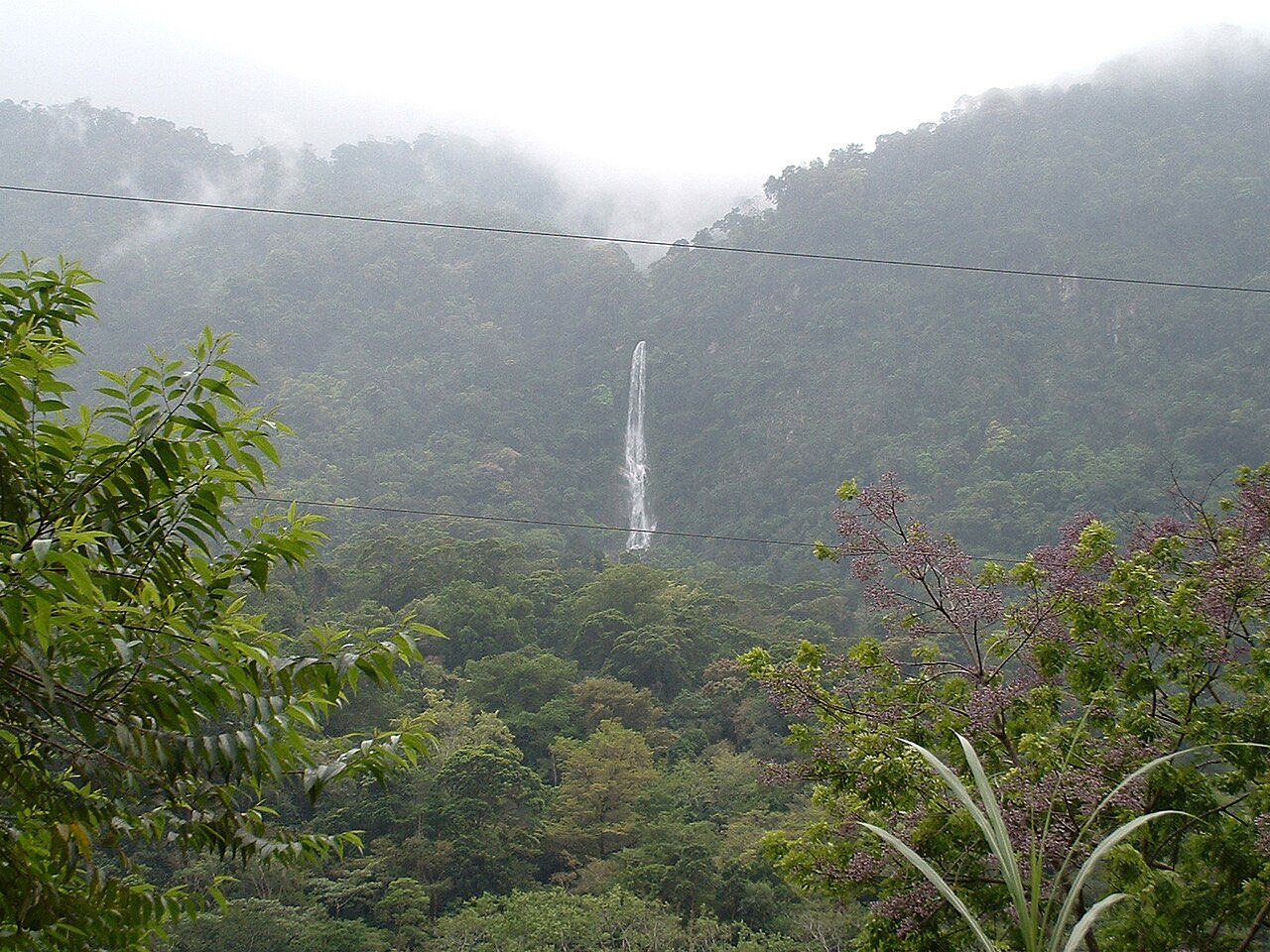
The risk that is easiest to plan around. The Atlantic hurricane season runs 1 June to 30 November per the National Hurricane Center, with the climatological peak on 10 September and most activity between mid-August and mid-October; the FCDO describes the Honduran season as “normally May to November.” The State Department says Honduras is vulnerable to hurricanes, heavy rain and flooding especially from June to December, with rockslides and landslides common in the rainy season and earthquakes possible. Drought, forest fires and flash flooding also occur.
The practical consequence inland is roads: landslides and washouts close highways, and that is a far more likely disruption than a direct hurricane strike on your week. See the best time to visit Honduras for how this shapes a trip.
One more the State Department raises that rarely appears in travel writing: the tourism industry is not well regulated. Safety inspections of equipment are rare, hazards may not be signed, staff may not be trained or certified, and first responders cannot reach remote areas quickly. On any adventure activity — diving, rafting, zip lines — ask about certification and equipment rather than assuming a licensing regime exists behind it.
Mistakes to avoid
- Believing the Bay Islands are exempt from the advisory. They are not, as of the 25 August 2026 Level 3.
- Driving between cities after dark. The one piece of advice every official source agrees on.
- Diving without evacuation and chamber cover. The FCDO calls island emergency medicine “extremely limited.”
- Hailing a taxi on the street instead of using a radio-dispatched, hotel or app-based service.
- Resisting a robbery. Both governments say do not.
- Withdrawing large amounts at an unfamiliar ATM, especially on Roatán.
- Treating a tour operator’s safety record as a given in an industry the State Department describes as lightly regulated.
- Reading one advisory only. The US, UK and Canadian pages emphasise different things, and together they give a far clearer map than any one of them.
The honest summary
Honduras is a Level 3 country with one Level 4 department, and that rating is real: violent crime rates are high, the problem is geographically concentrated, and the governments that publish advisories do not consider it a low-risk destination. At the same time, the overwhelming majority of visitors go to the Bay Islands or to Copán, where the official sources describe a risk profile dominated by theft, thin emergency medicine and road hazards rather than by the violence concentrated in specific mainland areas. The FCDO’s own framing is the fairest one: most serious crime does not affect tourists, but it can happen anywhere, including tourist areas.
Decide with the primary sources rather than with a travel blog’s verdict — including this one. Advisory levels, dates and regional carve-outs change, sometimes quickly. Before you book and again before you fly, read the US advisory, the UK FCDO advice and, if it is your government, Canada’s page. For paperwork, see Honduras entry requirements; for cash and cards, the Honduras money guide.
Frequently asked questions
What is the current US travel advisory for Honduras?
As of the advisory issued 25 August 2026, the US State Department rates Honduras Level 3, Reconsider travel, due to crime and terrorism. One department, Gracias a Dios, is Level 4, Do Not Travel, due to crime. The Level 3 rating is countrywide. Read it in full at travel.state.gov before you book, because advisories are reissued without much notice.
Are the Bay Islands exempt from the Honduras travel advisory?
No. This is the single most repeated error in travel writing about Honduras. The US advisory applies Level 3 to the whole country and carves out only Gracias a Dios at Level 4; it names the Bay Islands only to say they are part of Honduras. The island-versus-mainland distinction people quote comes from the UK FCDO, which advises avoiding walking around Tegucigalpa, San Pedro Sula and other main towns in mainland Honduras while separately describing petty theft as a problem in tourist areas including Roatan, Utila and Guanaja. That is a difference in the type of risk, not an exemption.
Is Roatan safe for tourists?
Roatan carries the same countrywide Level 3 rating as the rest of Honduras, and neither the US, UK nor Canadian advisory assigns the Bay Islands a lower level. In terms of what the advisories actually describe, the island risk profile is dominated by theft rather than the violent crime concentrated in specific mainland areas, and the FCDO singles out ATM crime on Roatan in particular. Emergency medical facilities on the islands are described by the FCDO as extremely limited, which matters more than it sounds on a diving trip.
Which parts of Honduras do official sources tell you to avoid?
The US State Department says do not travel to Gracias a Dios department for any reason. Canada advises against non-essential travel to Gracias a Dios, Olancho, Yoro, Colon excluding Trujillo, the city of Choluteca, the city of Comayaguela, parts of San Pedro Sula and Choloma, and within 20 km of the Guatemalan and Salvadoran borders with specific road and Copan Ruinas exceptions. The UK FCDO names several specific inter-city roads where vehicles have been attacked.
Is it safe to drive in Honduras?
Official sources are consistent that night driving between cities is the main thing to avoid. US government employees are barred from travelling between cities after dark, with a single authorised exception between Tegucigalpa and Palmerola airport or Soto Cano Air Base, and the advisory cites carjackings, robberies and accident risk on remote stretches. The FCDO adds that driving standards are generally poor, many vehicles run without lights at night, and some roads remain damaged by the 2020 hurricanes.
What is the State of Exception in Honduras?
A security measure declared by the Honduran government in December 2022 in response to extortion and other crime. The US advisory states it remains in effect, has been modified to cover more cities, and allows police to suspend constitutional rights in 226 of the country's 298 municipalities. In practice visitors mostly encounter it as a heavier police and military presence and more checkpoints. Carry photo identification, as the FCDO advises, and follow instructions at checkpoints.
Keep planning
- Roatan Guide: West End, West Bay and Getting Around
Roatan guide to West End vs West Bay vs the quiet east, the Galaxy Wave ferry (US$51 round trip), taxis, diving and what the Honduras travel advisory says.
Updated Oct 2026 - Best Time to Visit Costa Rica: Dry, Green and Shoulder Season
Best time to visit Costa Rica month by month: Pacific dry season dates, why the Caribbean is driest in September, and green season prices.
Updated Oct 2026 - Best Time to Visit the Dominican Republic: Season by Coast
Best time to visit the Dominican Republic month by month: hurricane season dates, Samana whale season, sargassum by coast, and why the north coast runs backwards.
Updated Oct 2026