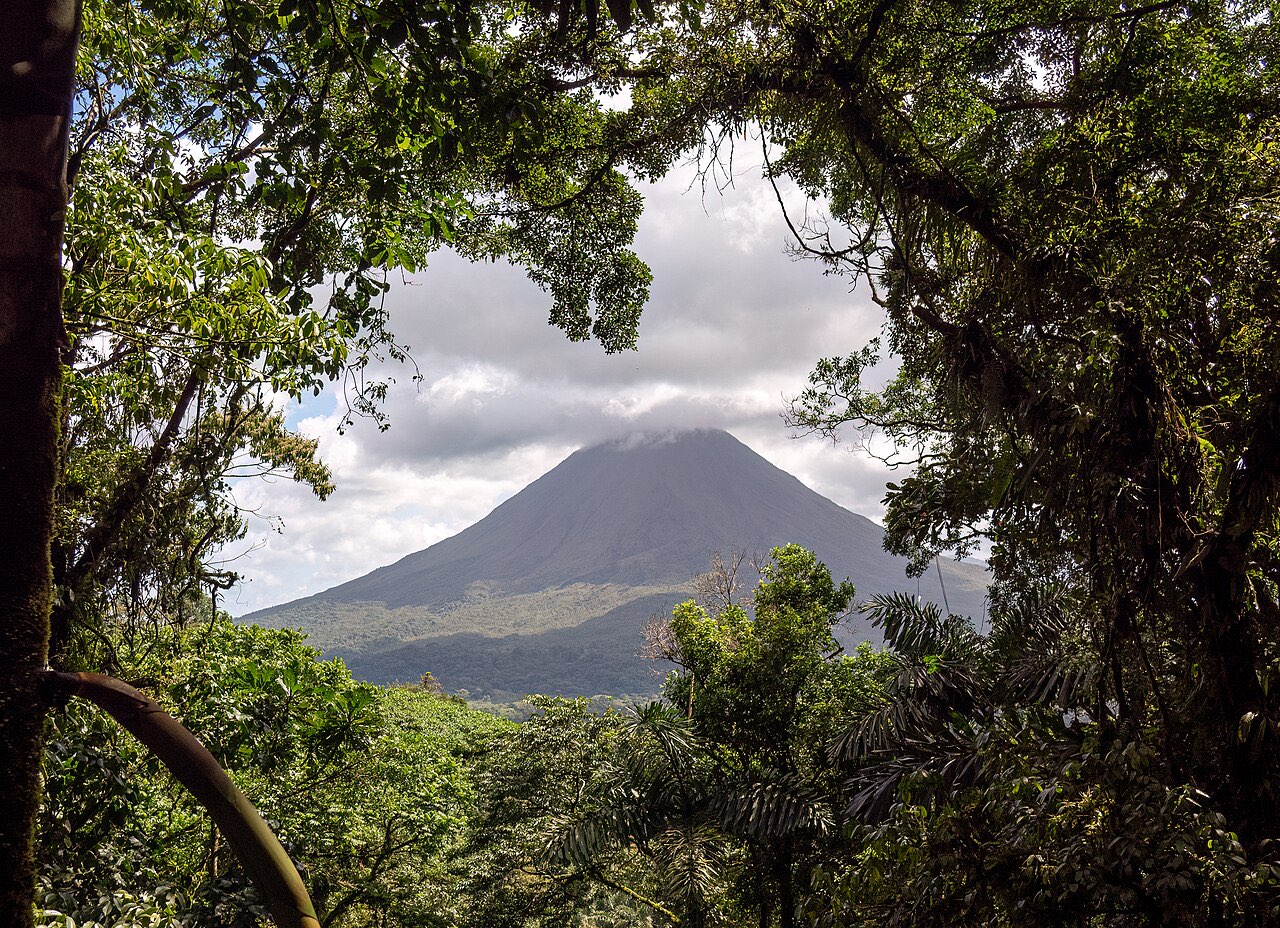
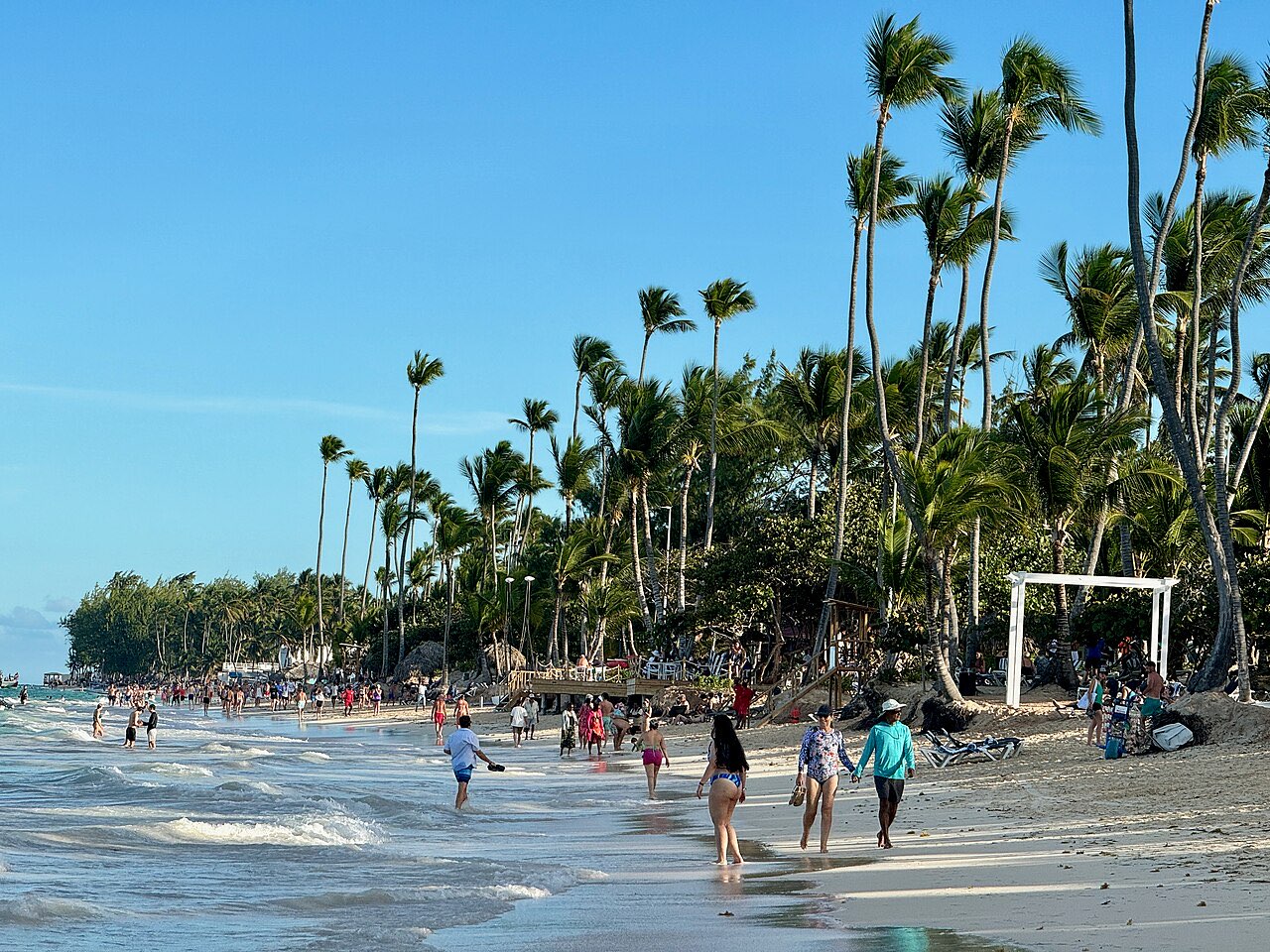
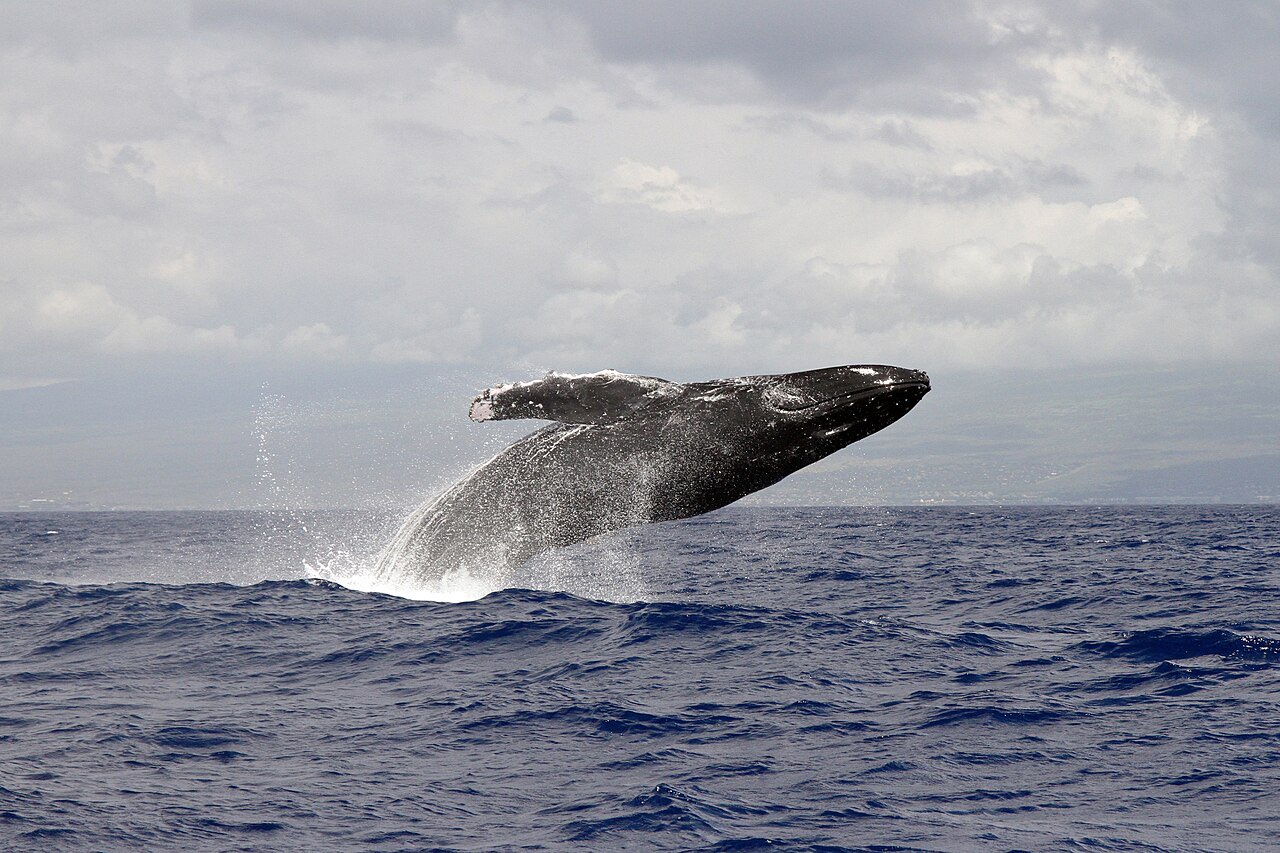
Best Time to Visit Costa Rica: Dry, Green and Shoulder Season
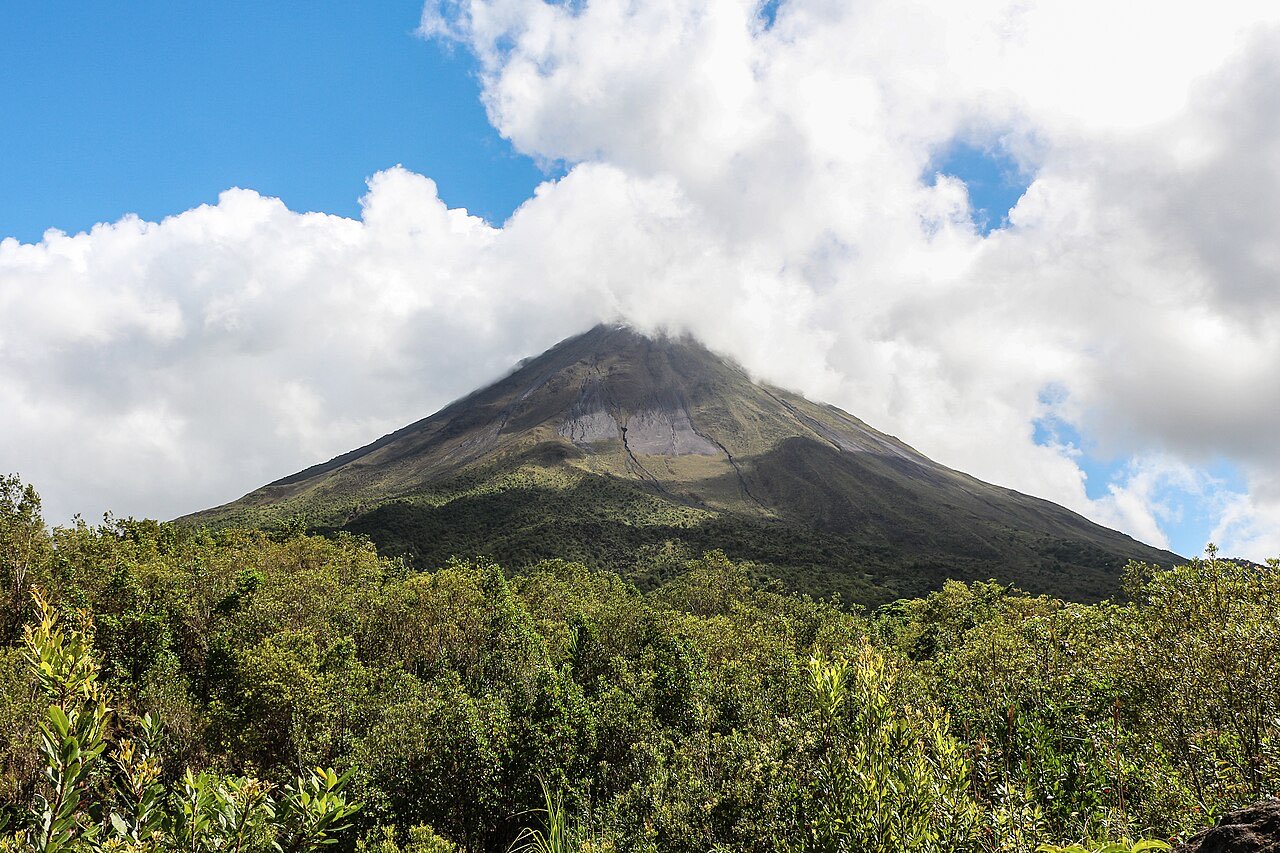
In this guide
For most Costa Rica trips the answer is February. Guanacaste is at its driest — Liberia averages no measured rainfall at all in January and February — the Central Valley is clear, and the Pacific coast is in the middle of its dry season.
But if your trip is the Caribbean side, February is only the second-best answer and the right one is September, which is the single driest month of the year in Limón. The two coasts run on different calendars, and almost every round-up of this question quietly ignores that.
The third answer, if price matters more than sunshine, is May or November — inside the green season, outside the worst of the rain.
Monthly figures below are climate normals from Climates to Travel, and the season definitions are the Costa Rica Tourism Board’s own, both read in October 2026.
The quick version
| If you want | Go | Why |
|---|---|---|
| Guanacaste beaches at their driest | January–March | Liberia records 0 mm in January and February |
| Arenal, Monteverde and the Central Valley | December–April | San José’s dry months; 5 mm in February |
| The Caribbean coast | September–October, or February–March | Limón’s two dry minima; 140 mm in September |
| Lowest prices | September–October | Wettest months on the Pacific; deepest discounts |
| Best value without the worst rain | May, June or November | Green season rates, lighter rain at the edges |
| Corcovado and the Osa at their most accessible | January–March | Rain drops to about 100 mm a month; some sectors restricted July–November |
| Surf on the Pacific | Green season swell | Bigger, more consistent swell in the wet months |
Two coasts, two calendars
The national rule, as the climate record states it, is that the Pacific coast and the Central Valley are dry from December to April and wet from May to November, while the Caribbean plains and coast are equatorial and rain all year.
That national rule is useful for the western two-thirds of the country and actively misleading for the eastern third.
San José and the Central Valley (annual 1,805 mm) show the Pacific pattern cleanly: 15 mm in January, 5 mm in February, 20 mm in March, 45 mm in April — then 230 mm in May and a wet season that peaks at 310 mm in September and 305 mm in October before falling to 145 mm in November and 40 mm in December.
Guanacaste and the north Pacific are more extreme still. Liberia (1,605 mm a year) records zero rain days in January, February and March and one in April. The compensation is heat: its April average maximum is 36 °C, which is why the end of the dry season there is uncomfortable rather than idyllic. September (345 mm) and October (310 mm) are its wettest months.
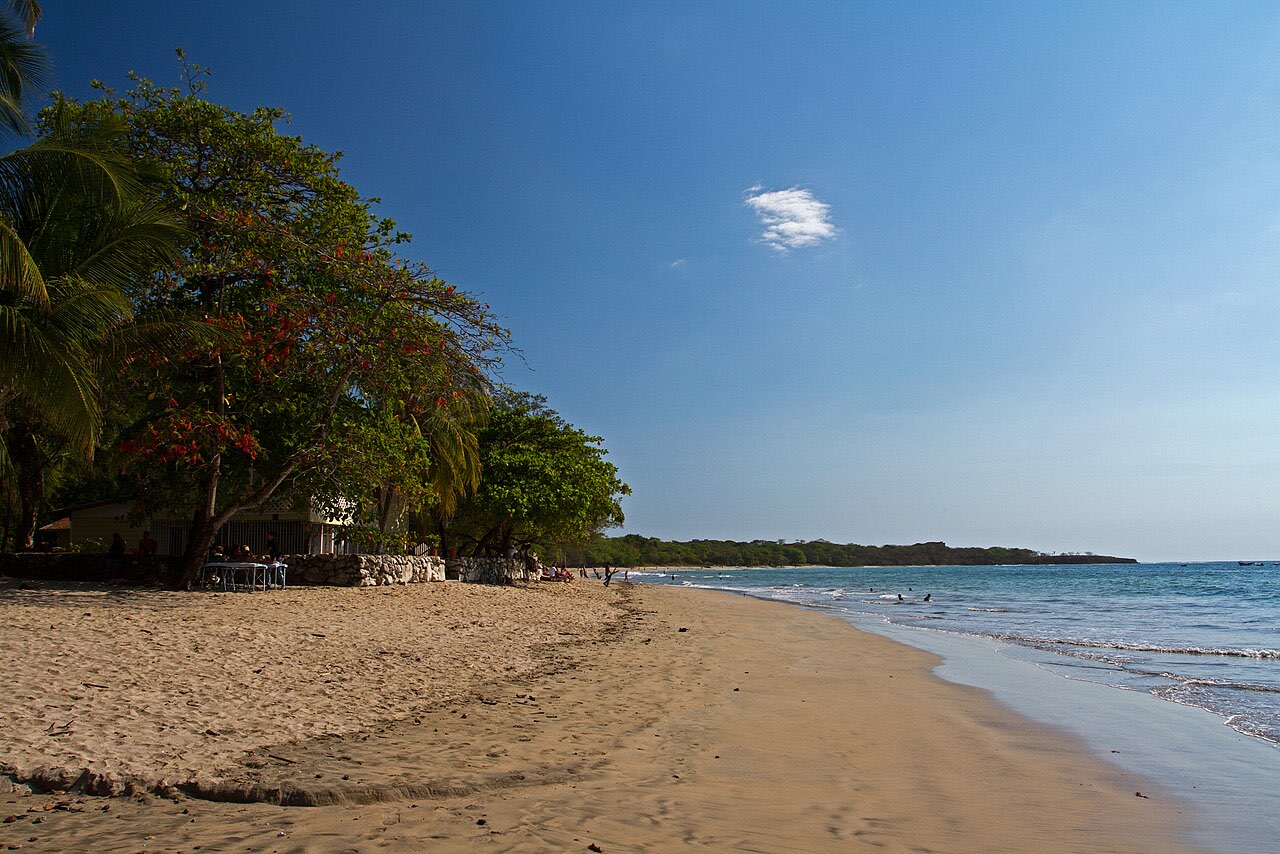
The central Pacific is wetter than the north even in its dry months. Quepos, the gateway to Manuel Antonio, averages 3,745 mm a year, with 60 mm in January, 30 mm in February and 40 mm in March, then 155 mm in April and 385–625 mm a month through the wet season, peaking in October.
The south Pacific and the Osa Peninsula have no real dry season at all. Golfito averages about 4,100 mm a year, and even in January to March the rainfall only drops to roughly 100 mm a month. Corcovado restricts access to some sectors during the rainiest period, July to November — plan an Osa trip around that rather than around the calendar. Our Osa and Corcovado guide covers the permit and guide requirements.
Why the Caribbean is backwards
This is the detail worth planning around. The north-east trade winds hit the Caribbean coast directly from November to April, which is precisely when the Pacific side is dry.
Limón’s monthly rainfall normals (3,575 mm a year) make the point:
| Month | Limón (Caribbean) | San José (Central Valley) |
|---|---|---|
| January | 320 mm | 15 mm |
| February | 235 mm | 5 mm |
| March | 210 mm | 20 mm |
| April | 265 mm | 45 mm |
| May | 335 mm | 230 mm |
| June | 290 mm | 240 mm |
| July | 425 mm | 210 mm |
| August | 305 mm | 240 mm |
| September | 140 mm | 310 mm |
| October | 205 mm | 305 mm |
| November | 400 mm | 145 mm |
| December | 445 mm | 40 mm |
The Caribbean has two peaks — July and December — and two minima, February–March and September–October. September at 140 mm is the driest month of the Limón year, by a wide margin, and it lands in the month that is wettest almost everywhere else in Costa Rica.
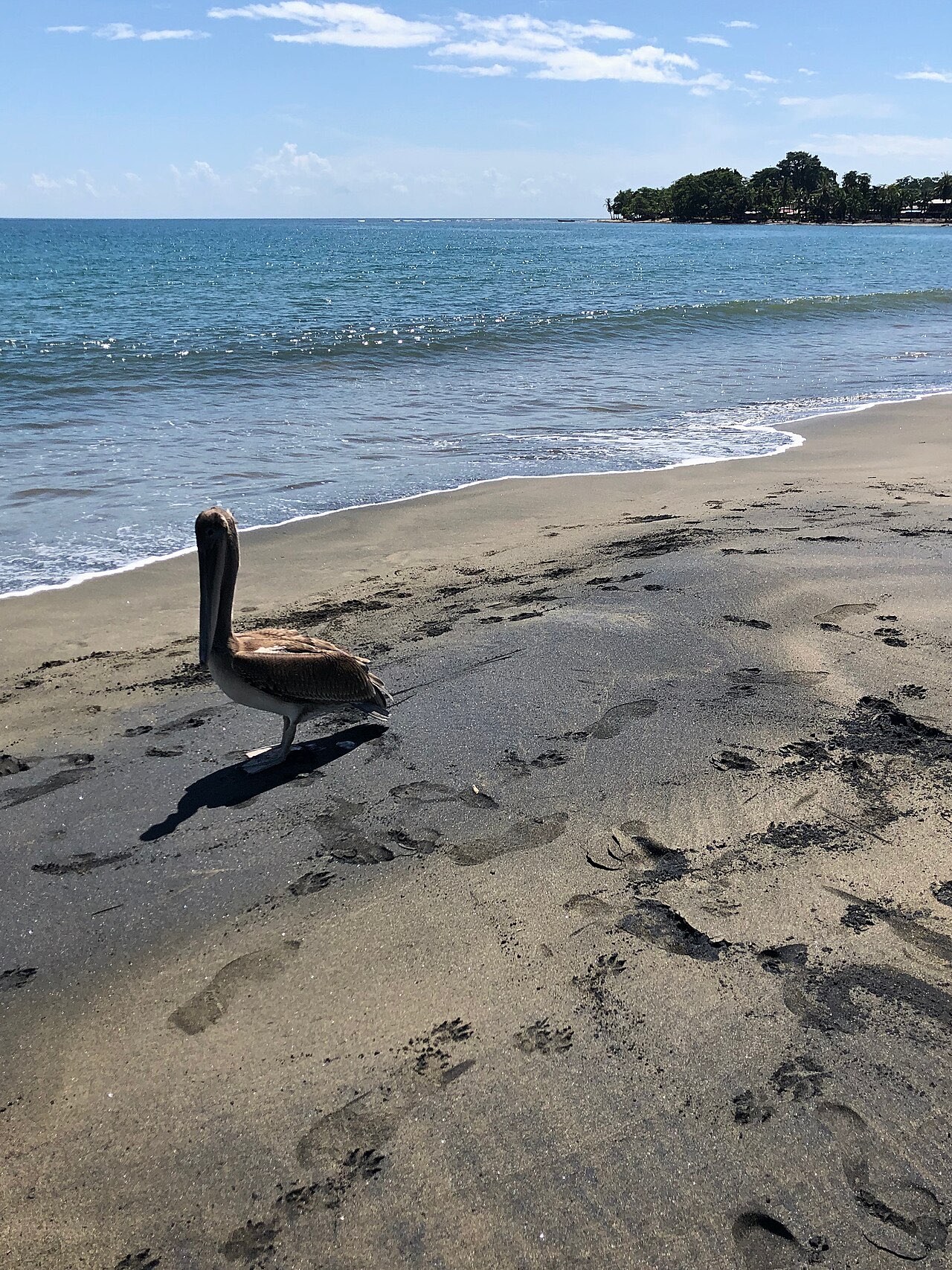
Two practical consequences. If you are heading to Puerto Viejo, Cahuita or the Talamanca coast — or north to Tortuguero — September and October are the best-weather months and also the cheapest, which is a rare combination. And if you are trying to combine both coasts in one trip, there is no month that is optimal for both — pick the coast that matters more and accept a compromise on the other.
Month by month
| Month | Pacific & Central Valley | Caribbean | Prices & crowds | Notes |
|---|---|---|---|---|
| January | Dry; San José 15 mm | Wet, 320 mm | High | Guanacaste at 0 mm; peak dry-season conditions |
| February | Driest; San José 5 mm | Easing, 235 mm | High | The strongest all-round Pacific month |
| March | Dry, 20 mm; heat building | Second Caribbean minimum, 210 mm | High | Semana Santa may fall late in the month |
| April | Dry until mid-month; Liberia hits 36 °C | 265 mm | High, then falling | Hottest, dustiest stretch in Guanacaste |
| May | Rains begin, 230 mm | 335 mm | Green season rates start | Good value; afternoon-pattern rain |
| June | 240 mm | 290 mm | Low | Atlantic hurricane season opens; risk to Costa Rica is low |
| July | 210 mm | Caribbean peak, 425 mm | Mid, with local holidays | Corcovado sector restrictions begin |
| August | 240 mm | 305 mm | Mid | Green and wildlife-rich inland |
| September | Wettest, 310 mm | Driest, 140 mm | Lowest | The Caribbean’s best month |
| October | 305 mm | 205 mm | Lowest | Some Pacific lodges and roads close |
| November | Rain easing, 145 mm | 400 mm | Low until late | Historically the highest storm-impact month |
| December | Dry returns, 40 mm | Wettest, 445 mm | Peaks sharply from mid-month | Christmas and New Year are the price peak |
What the green season is really like
The Costa Rica Tourism Board calls May to November the “green or low season” and says on its own FAQ that hotels then “often offer better rates and fewer crowds”. It puts the high season at December to March for hotel pricing, and December to April for activities.
So the discounts are real and officially acknowledged. We could not verify a reliable figure for how large they are — the percentages you see quoted come from hotel and rental-car marketing rather than an independent source — so treat “cheaper” as a direction, not a number.
What the rain actually looks like on the Pacific side is a clear morning and an afternoon downpour, more often than an all-day grey. That shapes the day rather than ruining it: boat trips, hikes and volcano viewpoints get done before lunch. September and October are the exception, when the rain is heavier and more persistent, and when some lodges on the southern Pacific close entirely.
You will also hear about the veranillo, a short drier spell on the Pacific side in the middle of the wet season. It is widely described in travel writing, but we could not confirm its dates against an official Costa Rican meteorological source, so do not build a trip around it. The verified figures give you the shape anyway: on the Pacific, July (210 mm in San José) is slightly drier than June and August (240 mm each).
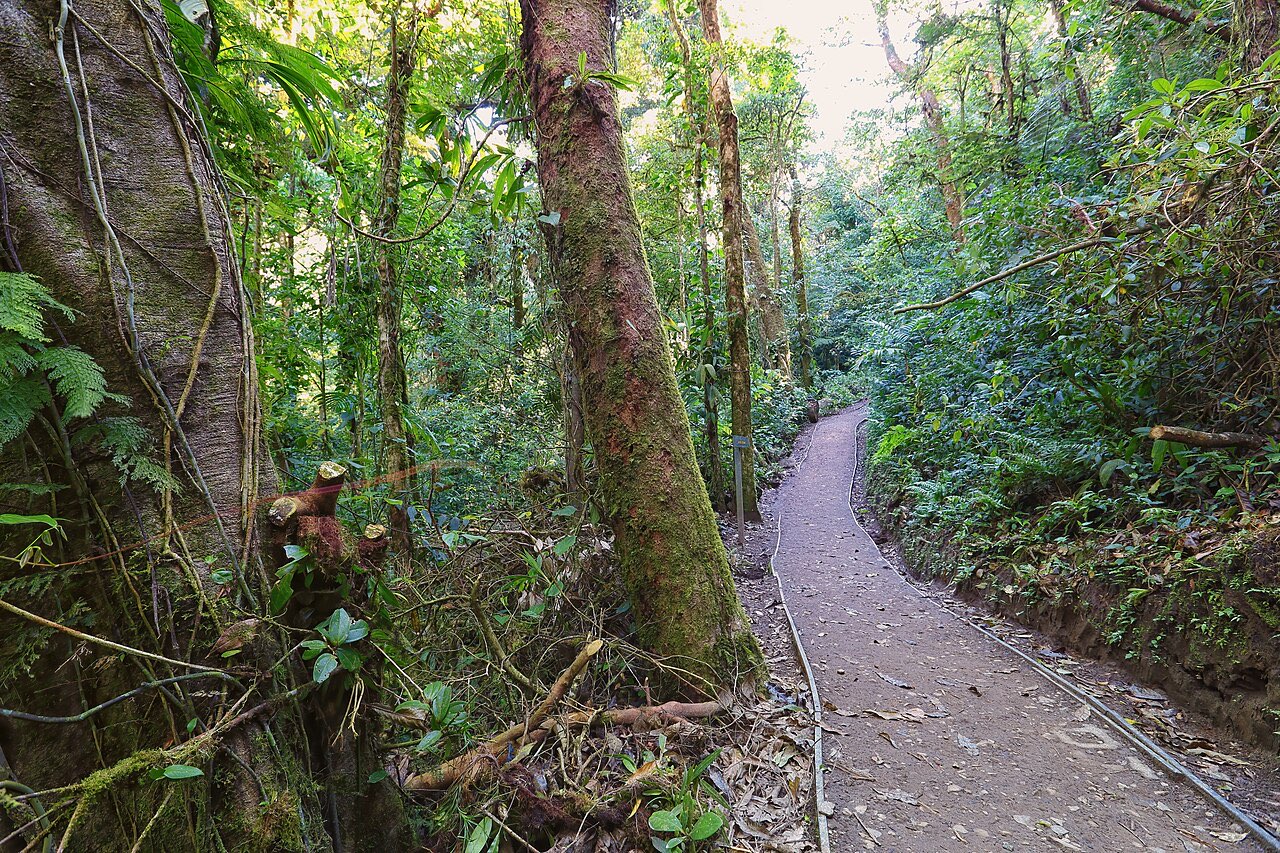
A note on the cloud forest: Monteverde is not a sunshine destination in any month. Mist and wind are the defining conditions and the reason the forest exists. Going in February gets you a drier approach road, not a clear forest.
Hurricanes, honestly
Costa Rica is not a hurricane destination in the way the islands to the north are. Caribbean hurricanes usually pass north of the country, and it is rarely hit directly. The northern region is the most exposed. Hurricane Otto in November 2016 was the first hurricane to strike Costa Rica directly; Nate, in October 2017, caused more serious damage, mainly through rain and flooding.
The Atlantic season runs 1 June to 30 November, per NOAA’s National Hurricane Center, with a statistical peak on 10 September. For Costa Rica specifically, the risk you should plan for is heavy rain, landslides and road closures rather than a direct strike — which matters most if you are driving. Pacific tropical systems are usually weak, but can still bring flooding.
Dates that move the price
Semana Santa (Holy Week) is when Costa Ricans travel. Beaches fill, prices rise, and many businesses — including some government offices and, traditionally, alcohol sales in some places — close for part of the week. Either plan around it or book well ahead.
Christmas and New Year are the year’s price peak and coincide with the start of the dry season, so you pay for both good weather and the holiday at once.
Putting it together
If this is a first trip and it is mostly Pacific — Arenal, Monteverde, Manuel Antonio and a Guanacaste beach — go in February. It is the driest month across all of those, and it is worth the high-season prices.
If price leads, take May or November: green-season rates, afternoon-pattern rain, and the Pacific still largely workable. November is the better of the two for the Pacific (145 mm in San José) and much the worse for the Caribbean (400 mm in Limón).
If the Caribbean is the point, go in September, when it is both driest and cheapest, and accept that the Pacific half of the country is at its wettest.
Whichever month you pick, the rental car and the roads matter more than the forecast — see our Costa Rica driving guide for the mandatory insurance and when a 4x4 is genuinely required, and the 10-day itinerary for how far you can realistically drive in a day.
Climate normals and season definitions here were checked in October 2026. Confirm current conditions with your lodge and the Costa Rica Tourism Board before you book around a specific month.
Frequently asked questions
What is the best month to visit Costa Rica?
For a Pacific-side trip — Guanacaste, Manuel Antonio, Arenal, Monteverde — the best single month is February. Liberia averages no measured rainfall at all in January and February, and San Jose averages 5 mm in February. If your trip is the Caribbean side instead, the answer is September, which is Limon's driest month at 140 mm against 445 mm in December. There is no month that is best for both coasts at once.
When is the green season in Costa Rica, and is it worth it?
The Costa Rica Tourism Board defines the green or low season as May to November, and says hotels often offer better rates and fewer crowds then. It is worth it if you accept the pattern: mornings are usually clear on the Pacific side and rain arrives in the afternoon. The exceptions are September and October, which are the wettest months on the Pacific — San Jose averages 310 mm and 305 mm — and when some southern lodges and Corcovado sectors close.
Why is the Caribbean coast different from the Pacific?
Because the north-east trade winds hit it directly from November to April, bringing rain exactly when the Pacific side is dry. Limon's wettest months are December (445 mm), July (425 mm) and November (400 mm), and its driest are September (140 mm) and March (210 mm). So Puerto Viejo and Cahuita are at their best in September and October, and again in February and March, which is close to the opposite of the national pattern.
Does Costa Rica get hurricanes?
Rarely, and almost never directly. Caribbean hurricanes usually pass north of the country, and the northern region is the most exposed. Hurricane Otto in November 2016 was the first hurricane to make a direct hit, and Nate in October 2017 did more serious damage, mostly through rain and flooding rather than wind. The Atlantic season runs 1 June to 30 November per NOAA, with a statistical peak on 10 September. The practical risk in Costa Rica is heavy rain, landslides and road closures, not a storm hitting your resort.
When is Costa Rica cheapest?
September and October, which are also the wettest months on the Pacific side and in the Central Valley. May, June and November sit in the green season but before or after the worst of the rain, and are the better value compromise. The expensive weeks are Christmas and New Year, and Semana Santa, when Costa Ricans travel domestically and much of the country effectively shuts down for several days.
Can you still do everything in the rainy season?
Mostly, with earlier starts. The usual Pacific pattern is a clear morning and rain from early afternoon, so hikes, boat trips and volcano viewpoints get scheduled first thing. What genuinely changes: unpaved roads deteriorate, river crossings become a real consideration for rental cars, Corcovado restricts some sectors during the rainiest stretch from roughly July to November, and surf and visibility conditions shift. Diving visibility on the Pacific is generally worse in the heaviest rain.
Keep planning
- Costa Rica in 10 Days: Volcano, Cloud Forest and Coast
A realistic 10-day Costa Rica itinerary — La Fortuna, Monteverde and Manuel Antonio — with honest drive times, official park fees and the booking rules.
Updated Oct 2026 - Best Time to Visit the Dominican Republic: Season by Coast
Best time to visit the Dominican Republic month by month: hurricane season dates, Samana whale season, sargassum by coast, and why the north coast runs backwards.
Updated Oct 2026 - Best Time to Visit Hawaii: Season, Prices and Surf
Best time to visit Hawaii month by month: whale season, winter surf, the rainy season and the price peaks that actually decide when you should go.
Updated Oct 2026