Roatan Guide: West End, West Bay and Getting Around
In this guide
Roatan is a 60-kilometre sliver of reef-fringed island off the north coast of Honduras, and almost every trip comes down to one decision: West End, West Bay, or somewhere quieter. West End is the walkable village with the dive shops and the restaurants. West Bay, ten minutes away, has the beach everyone photographs. The east end of the island is where you go when you want neither. Getting around is easy and cheap on the west side, slower and more expensive everywhere else.
The other thing to settle before you book is the safety picture, which is genuinely different from how Honduras reads in a headline and also not as simple as “the islands are fine”. The section below gives the actual advisory wording rather than a verdict.
The three Roatans, and who each one suits
| Area | What it is | Best for | Trade-off |
|---|---|---|---|
| West End | A village along one road at the island’s western tip: dive shops, bars, restaurants, guesthouses, small docks | Divers, solo travellers, people who want to walk everywhere and not book a car | The beach in front is narrow and busy; the street gets loud at night |
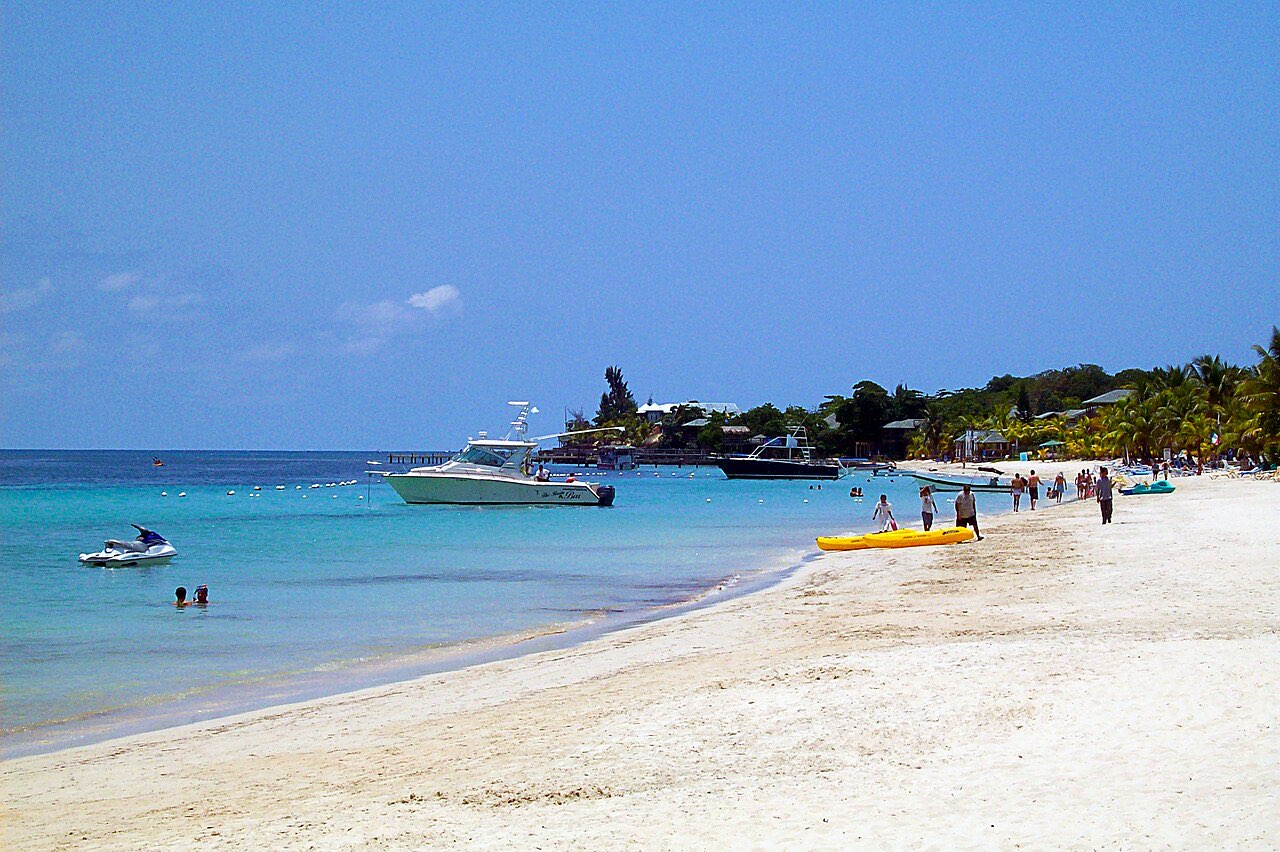
| West Bay | A resort beach around the headland, roughly 10 minutes away by road | Beach days, families, shore snorkelling, calm swimming | Little to walk to beyond the resorts; busy with cruise and day-trip crowds in the middle of the day |
| Sandy Bay | Between West End and Coxen Hole; institutes, a few resorts, dive sites | Quieter diving base, people who want to be near West End without being in it | You will use taxis for almost everything |
| French Harbour / mid-island | The island’s working side, marinas and fishing | Longer stays, boats, lower prices | Not a beach base; most visitors pass through |
| The east end (Camp Bay, Port Royal, Punta Gorda) | Thinly developed, long empty beaches, the Garifuna town of Punta Gorda | Quiet, space, people happy to drive | Far from the airport, rougher road, you need a vehicle and a plan for meals |
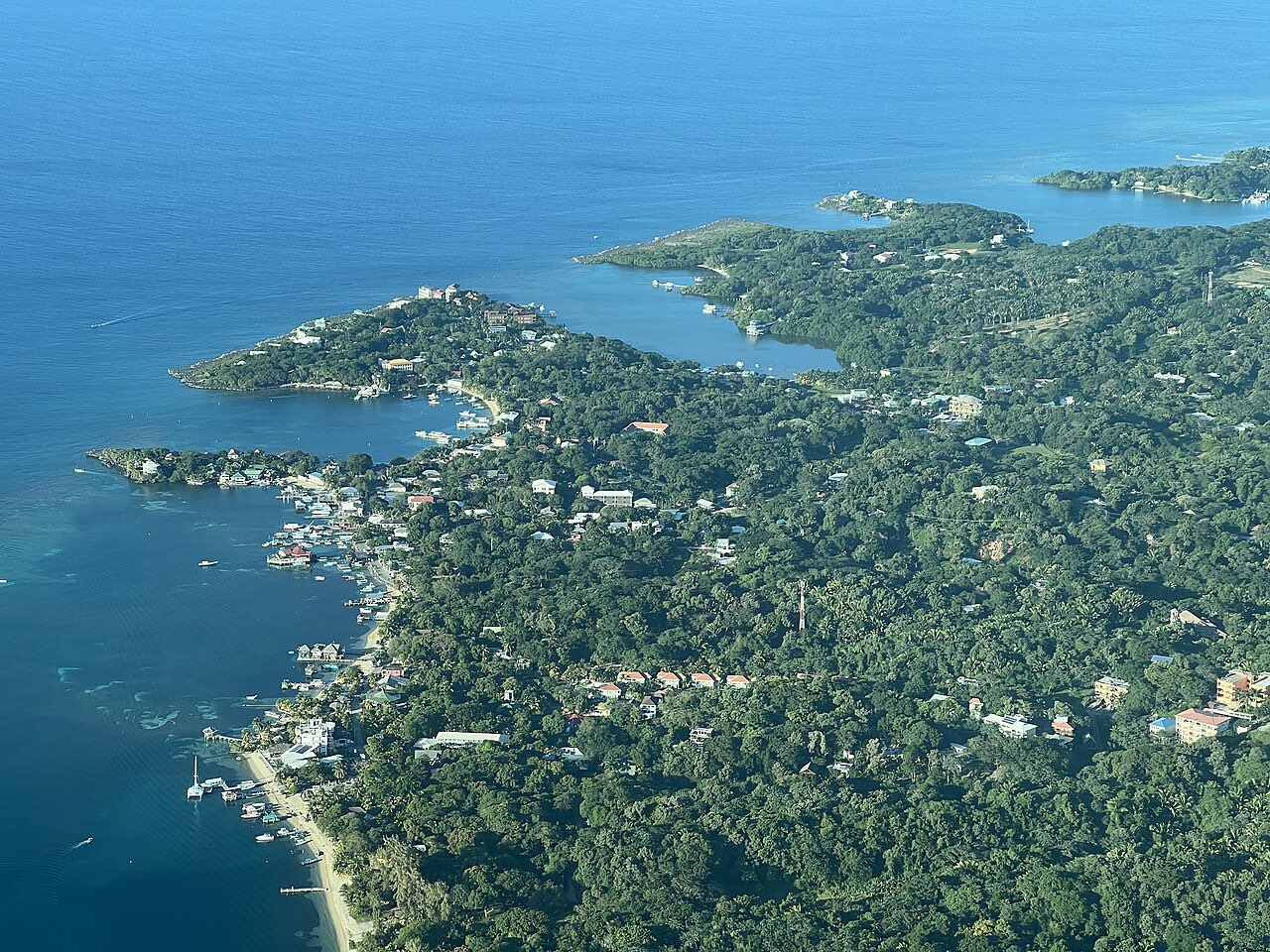
If you cannot decide between the first two, the usual answer is West End for a diving trip and West Bay for a beach trip, with a water taxi or a short road hop covering the other. Our Roatan beaches guide goes further down the coast, and if you are weighing the island against its neighbours, see Roatan, Utila or Guanaja.
West End in detail
West End is one road, mostly sand and patched pavement, running along the water. Almost everything is on it: dive operators, open-fronted restaurants, small hotels, a few bars that run late. It is not polished, and that is the point. Rooms span hostel dorms to mid-range boutique places, and because the dive shops are concentrated here, it is the easiest base for a multi-day diving trip without a car.
The swimming is better at Half Moon Bay at the north end of the village than directly off the main strip. For a proper beach day, people walk or taxi to West Bay.
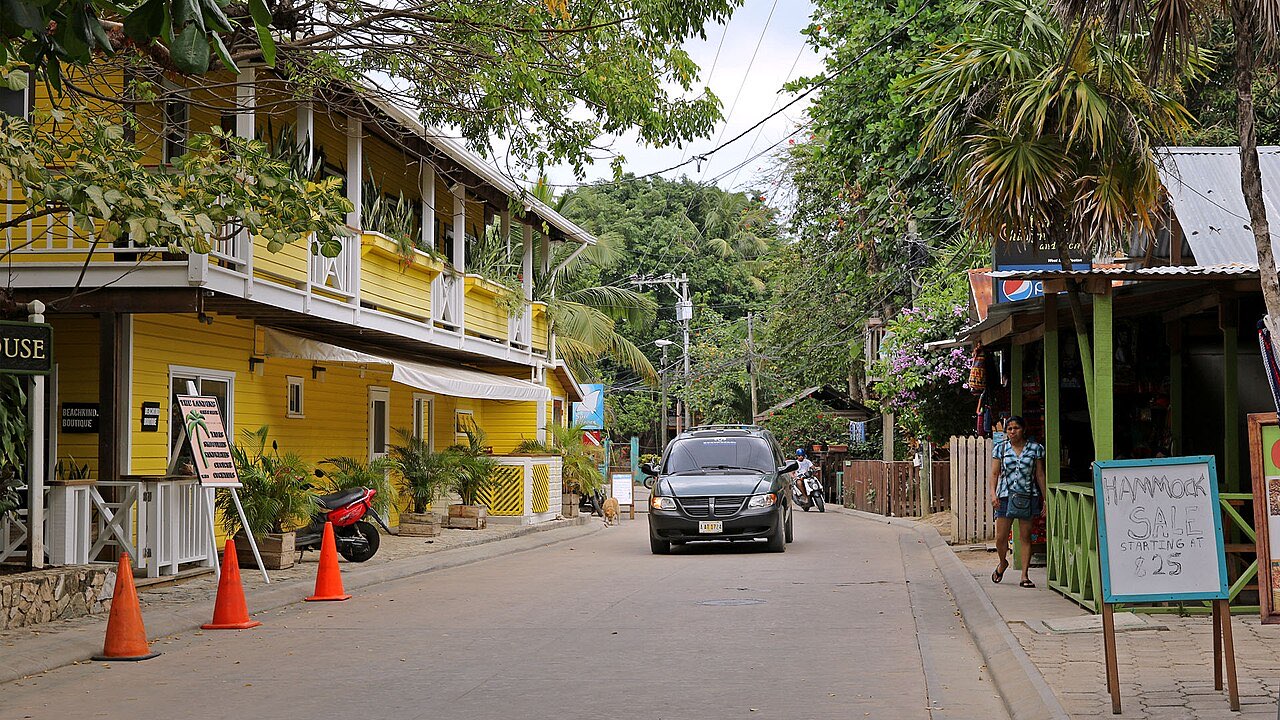
West Bay in detail
West Bay is a broad white-sand beach with the reef close enough to swim to from the sand, which is unusual and is the main reason the beach has the reputation it does. It is lined with resorts and beach clubs rather than a village, so dinner options are whatever is on your property or a taxi ride away.
The beach fills up mid-morning and thins out in the late afternoon when cruise excursions and day-trippers leave. If you are staying there, the early morning and the hour before sunset are the quiet windows. Take care with the reef: it starts shallow, and standing on coral kills it.
The quiet east
Past French Harbour the island narrows and development thins. Camp Bay has long, largely empty beach, and Port Royal and Punta Gorda sit on the far end. The road is slower than the map suggests, restaurants are sparse, and most places expect you to arrive by car or with a transfer arranged by the lodge. Go for space and quiet, not convenience.
Getting to Roatan
By air. Juan Manuel Galvez International Airport (RTB), just outside Coxen Hole, handles direct seasonal and year-round flights from several North American cities plus domestic connections from the Honduran mainland. We have not verified a current airline list or schedule for this guide, so check the carriers directly. One thing worth knowing: the US State Department notes that the FAA has not assessed Honduras’ civil aviation authority for compliance with international safety oversight standards, which is a factual rating of the regulator, not of any specific airline.
By ferry. Galaxy Wave (Safe Way Maritime) runs the La Ceiba route. From the operator’s own schedule and fares page, as of October 2026:
| Galaxy Wave, October 2026 | Departures | Adult fare |
|---|---|---|
| La Ceiba → Roatan | 9:30 a.m., 4:30 p.m. daily | US$31 one way, Regular Class |
| Roatan → La Ceiba | 7:00 a.m., 2:00 p.m. daily | US$30 one way, Regular Class |
| Round trip, Regular Class | — | US$51 adult, US$25 child 5–10, free under 5 |
| Round trip, First Class | — | US$69 adult |
| Roatan ↔ Utila | — | US$24 one way, US$48 round trip |
| Roatan → Guanaja | Fri 12:00 p.m., Sat 4:00 p.m. | US$35 one way |
The operator’s published rules: register at the terminal at least an hour before departure, bring a valid passport or resident card, and expect a three-bag limit at 50 lb each. Tickets are non-refundable, though the operator says reservation credit stays valid for a year if you change the date. The page does not state a crossing time; it is widely reported as roughly an hour and a quarter to an hour and a half, which we could not confirm, so do not build a tight mainland connection around it.
By cruise ship. Roatan is a busy Western Caribbean port, with terminals near Coxen Hole and at Mahogany Bay. If that is your situation, our Roatan for cruise passengers guide covers time ashore. On heavy ship days West Bay and the zip-line and animal parks get noticeably busier.
Coming from or continuing to the mainland, La Ceiba is the ferry town and getting around Honduras explains how the domestic flight and bus network fits together.
Getting around the island
There is one main road down the spine of the island, and almost everything hangs off it.
- Taxis. Readily available on the west side. Commercial rate sheets and island businesses commonly quote around US$25 to US$40 per car for one to four people between the airport or cruise ports and West End or West Bay, but we found no official published tariff, so treat those as a range. Agree the price before you get in, say whether you are paying for the car or per person, and have small bills.
- Colectivos. Shared vans and taxis run the main road and charge a small fraction of a private taxi, with fares quoted in lempiras. They are how most people on the island travel. They stop frequently and fill up.
- Water taxi. Small boats shuttle between West End and West Bay, which is often faster and more pleasant than the road.
- Rental car, scooter or golf cart. Worth it only if you want the east end on your own schedule. The road is narrow and unlit in stretches; avoid driving it at night if you can.
- Hotel transfers. East-end lodges normally arrange these, and for a long transfer that is usually the simplest option.
Our Honduras money guide covers the ATM and tipping side in more detail.
Diving and snorkelling
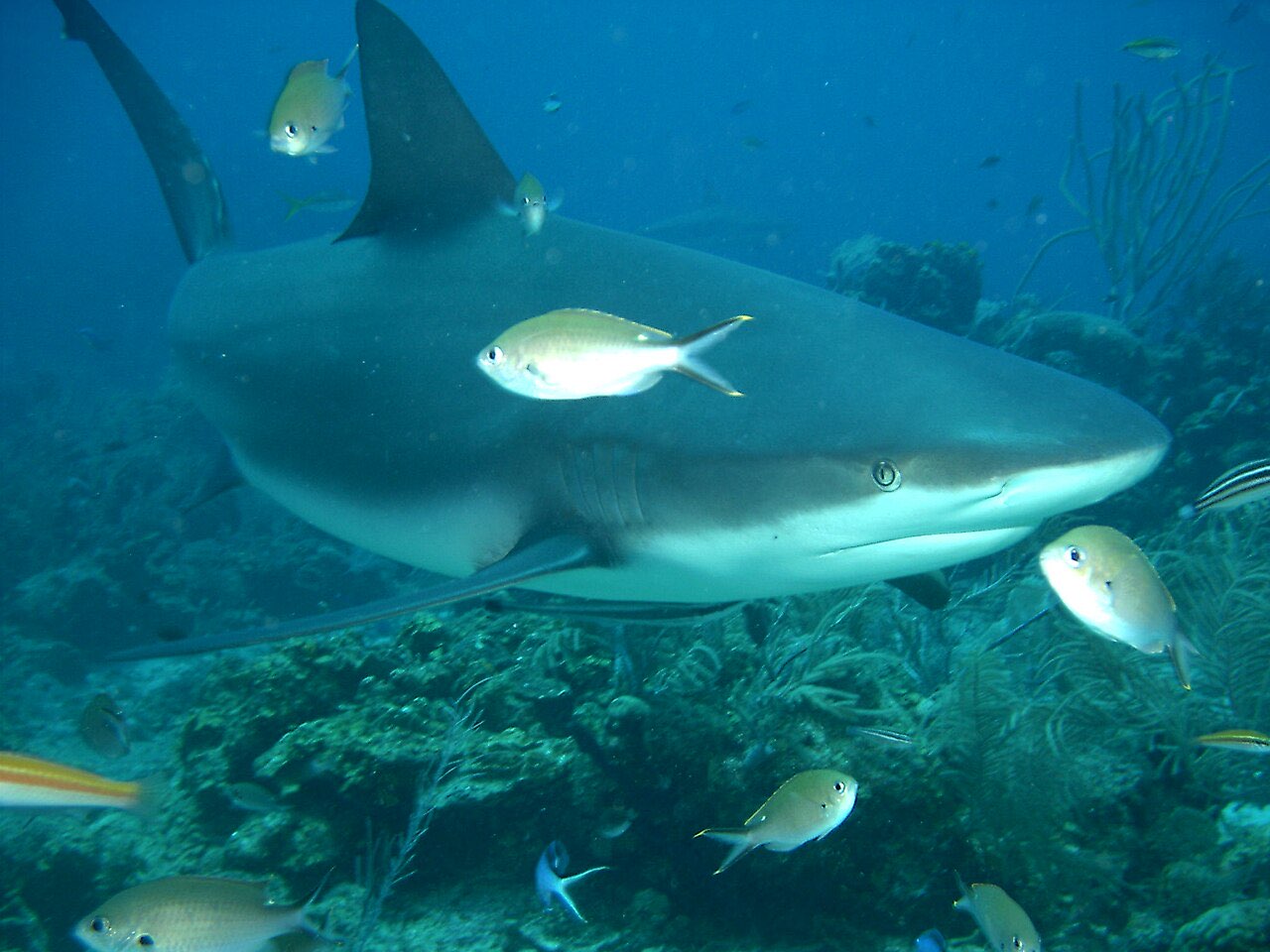
Roatan sits on the Mesoamerican Barrier Reef, and the reef is the reason the island has a tourism industry at all. The Bay Islands National Marine Park was declared a protected area on 10 June 2010 and covers the municipalities of Utila, Roatan, Santos Guardiola and Guanaja — 647,153 hectares, which the Roatan Marine Park describes as the largest marine protected area in Honduras.
Practical points:
- Shore snorkelling is genuinely good, especially at West Bay and around Half Moon Bay, which is rare on a Caribbean island this size. You do not need a boat to see reef.
- Dive shops cluster in West End and Sandy Bay. Prices vary by operator and we did not verify current rates, so ask for the all-in cost of a course or a package before booking.
- Ask about the marine park fee. Conservation funding on Roatan has historically come partly from a per-diver tag sold through dive shops. The marine park’s own home page does not publish a current price, so ask your operator what it charges and what is included.
- There is a hyperbaric chamber on Roatan, and the UK FCDO confirms recompression facilities on Utila as well. The same FCDO page is blunt that emergency medical facilities on the Bay Islands are “extremely limited”. Diving insurance that covers chamber treatment and medical evacuation is not optional here; see Honduras travel insurance.
- Lionfish are an invasive problem and the marine park runs removal workshops. Do not spear anything without going through a licensed programme.
For operators, certification routes and site choices, see our Roatan diving guide. Budget divers often choose Utila instead; that comparison is here.
Safety: what the advisories actually say
This deserves precision rather than reassurance or alarm.
As of the advisory issued 25 August 2026, the US State Department rates Honduras Level 3 — Reconsider travel, citing crime and terrorism. One department, Gracias a Dios, is Level 4, Do Not Travel. Importantly, the advisory does not carve out the Bay Islands at a lower level: Level 3 is the countrywide rating, and Roatan is inside it. The advisory also says that “the north coast and central parts of the country have the highest crime rates”, names designated high-crime zones in Francisco Morazan, Cortes and Colon, and notes that a State of Exception declared in December 2022 remains in force and allows police to suspend constitutional rights in 226 of the country’s 298 municipalities. Read it yourself at travel.state.gov.
The UK FCDO’s Honduras advice draws a sharper line between island and mainland in its wording. It advises avoiding walking around Tegucigalpa, San Pedro Sula “and other main towns and cities in mainland Honduras”, while separately noting that petty theft “is a problem in cities and tourist areas, including the Bay Islands (Roatan, Utila, and Guanaja)”. It also tells travellers to check with their hotel which ATMs to use, “especially in Roatan”.
What that adds up to in practice:
- The risk profile on Roatan is dominated by theft and opportunistic crime, not the violent crime concentrated in specific mainland neighbourhoods.
- Nothing in either advisory says Roatan is exempt. Guides that describe the Bay Islands as carved out of the Honduras advisory are overstating it.
- Standard precautions do most of the work: use ATMs inside shopping centres or your hotel during the day, do not carry more cash than you need, leave valuables in a safe, book transport through your hotel or a stand rather than flagging an unknown car, and do not resist a robbery.
- Both governments stress medical evacuation insurance, and on a dive-heavy island that advice has teeth.
Our full Honduras safety guide breaks the advisory down region by region, and Honduras entry requirements covers the CA-4 visa rules — no visa for stays of 90 days or less, passport valid six months beyond arrival, onward ticket required, per the State Department.
When to go
Honduras’ hurricane season “normally runs from May to November” according to the FCDO, and the State Department describes the country as vulnerable to hurricanes, heavy rain and flooding especially from June to December. The statistical peak of the wider Atlantic season, per the National Hurricane Center, is 10 September, with most activity between mid-August and mid-October.
In broad terms:
- February to April is the usual sweet spot: driest, calmest water, best visibility, busiest and most expensive.
- May to August is hot and increasingly wet, with low-season pricing and still-good diving on many days.
- September to November carries the real storm risk and the heaviest rain. Prices drop. Trip insurance matters more.
- December and January bring winter northers that can put a chop on the crossing and stir up visibility, mixed in with plenty of good days and high-season crowds over the holidays.
More detail in our best time to visit Honduras guide.
Money and prices
Honduras uses the lempira (HNL). The Banco Central de Honduras posted a rate of about 26.9 lempiras to the US dollar on 21 October 2026. But a lot of Roatan is priced in dollars: Galaxy Wave publishes its fares in US dollars, dive shops and resorts usually quote in dollars, and the FCDO notes US dollars are widely accepted for exchange and payment across the country. The State Department says credit cards are accepted in large towns and cities and on Roatan.
The practical approach is to carry both. Bring lempiras in small notes for colectivos, roadside food, markets and tips, and expect to settle hotel, dive and taxi bills in dollars or by card. Use ATMs inside shopping centres or your hotel in daylight, as the FCDO advises, and do not withdraw large amounts at once.
Mistakes to avoid
- Booking a same-day ferry-to-mainland-flight connection. The crossing time is not published, and weather can delay sailings.
- Assuming the Bay Islands have their own, lower advisory level. They do not; the Level 3 is countrywide as of August 2026.
- Diving without evacuation and chamber cover. Both governments flag the thinness of emergency medical care on the islands.
- Staying on the east end without a vehicle. It is further and slower than it looks, and dining options are limited.
- Paying an unagreed taxi fare. Fix the price, and clarify whether it is per car or per person, before you get in.
- Standing on the reef at West Bay. Shallow coral is still living coral.
- Arriving at the ferry terminal 20 minutes before departure. The operator asks for an hour and says latecomers risk losing their place.
Roatan versus the alternatives
If you want cheap diving and a backpacker feel, Utila undercuts Roatan on price. If you want genuine isolation, Guanaja has it, with the fewest services. If you are comparing Caribbean islands across countries rather than within Honduras, our Roatan or Cozumel comparison covers diving quality, cost and how much hassle it takes to get there. Travelling with children, the calm, shallow water at West Bay is the main argument for Roatan: see Roatan with kids.
Fares, schedules and advisory levels in this guide were checked in October 2026 and change without notice. Confirm the ferry on roatanferry.com and the advisory on travel.state.gov before you travel.
Frequently asked questions
Should I stay in West End or West Bay on Roatan?
West End if you want to walk to restaurants, dive shops and bars and do not mind a working village street rather than a resort strip. West Bay if the beach itself is the point: it is the island's best swimming and shore-snorkelling beach, lined with resorts, and it is quiet after the day-trippers leave. The two are about 10 minutes apart by road and a short water-taxi hop by sea, so you can stay in one and visit the other daily.
How do you get to Roatan?
Most visitors fly into Juan Manuel Galvez International Airport (RTB) near Coxen Hole, either direct from North America or via a domestic connection. The alternative is the Galaxy Wave ferry from La Ceiba on the mainland, which as of October 2026 runs twice daily each way: La Ceiba to Roatan at 9:30 a.m. and 4:30 p.m., Roatan to La Ceiba at 7:00 a.m. and 2:00 p.m. Cruise ships dock at terminals near Coxen Hole and Mahogany Bay.
Is Roatan safe?
The US State Department has Honduras at Level 3, Reconsider travel, for crime and terrorism as of its August 2026 advisory, and that level applies to the whole country including the Bay Islands. Only Gracias a Dios department carries the Level 4 Do Not Travel rating. The advisory also says the north coast and central parts of the country have the highest crime rates, and the UK FCDO notes petty theft is a problem in tourist areas including the Bay Islands. In practice most visitors treat Roatan as a resort island with normal precautions, but read the advisories yourself before deciding.
How much is the ferry from La Ceiba to Roatan?
Galaxy Wave's posted adult fare as of October 2026 is US$31 one way La Ceiba to Roatan and US$51 round trip in Regular Class, or US$69 round trip in First Class. Children aged 5 to 10 pay US$25 round trip in Regular Class and infants under 5 travel free. The operator quotes these prices in US dollars on its own site. Check in at the terminal at least one hour before departure and bring your passport.
Do I need a car on Roatan?
No, if you are basing yourself in West End or West Bay. Taxis and shared colectivo vans run the main road all day, and the two villages are a short hop apart. A rental car or scooter earns its cost only if you want to reach the quieter east end of the island, Camp Bay, Port Royal or the far beaches on your own schedule. Note that the US advisory warns against driving between cities after dark on the mainland; the island road is a different proposition, but it is narrow and unlit in places.
What currency should I bring to Roatan?
Honduras uses the lempira (HNL), and the Banco Central de Honduras posted a rate of about 26.9 lempiras to the US dollar on 21 October 2026. On Roatan, though, tourist businesses routinely quote and accept US dollars: the ferry publishes its fares in dollars, and the UK FCDO notes dollars are widely accepted across the country. Carry some lempiras for colectivos, small shops and tips, and expect dive shops, hotels and taxis aimed at visitors to price in dollars.
Keep planning
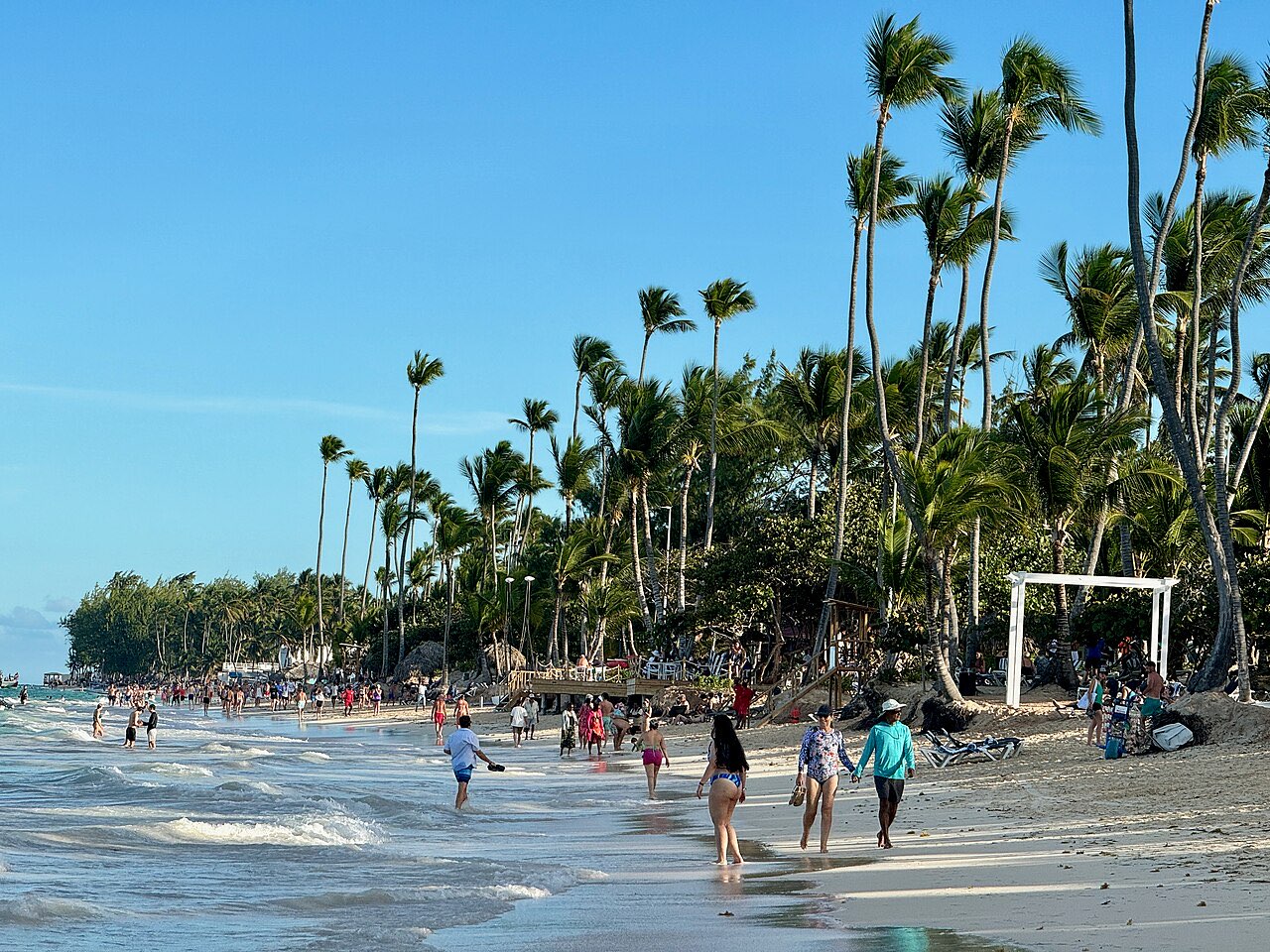
- Best Time to Visit the Dominican Republic: Season by Coast
Best time to visit the Dominican Republic month by month: hurricane season dates, Samana whale season, sargassum by coast, and why the north coast runs backwards.
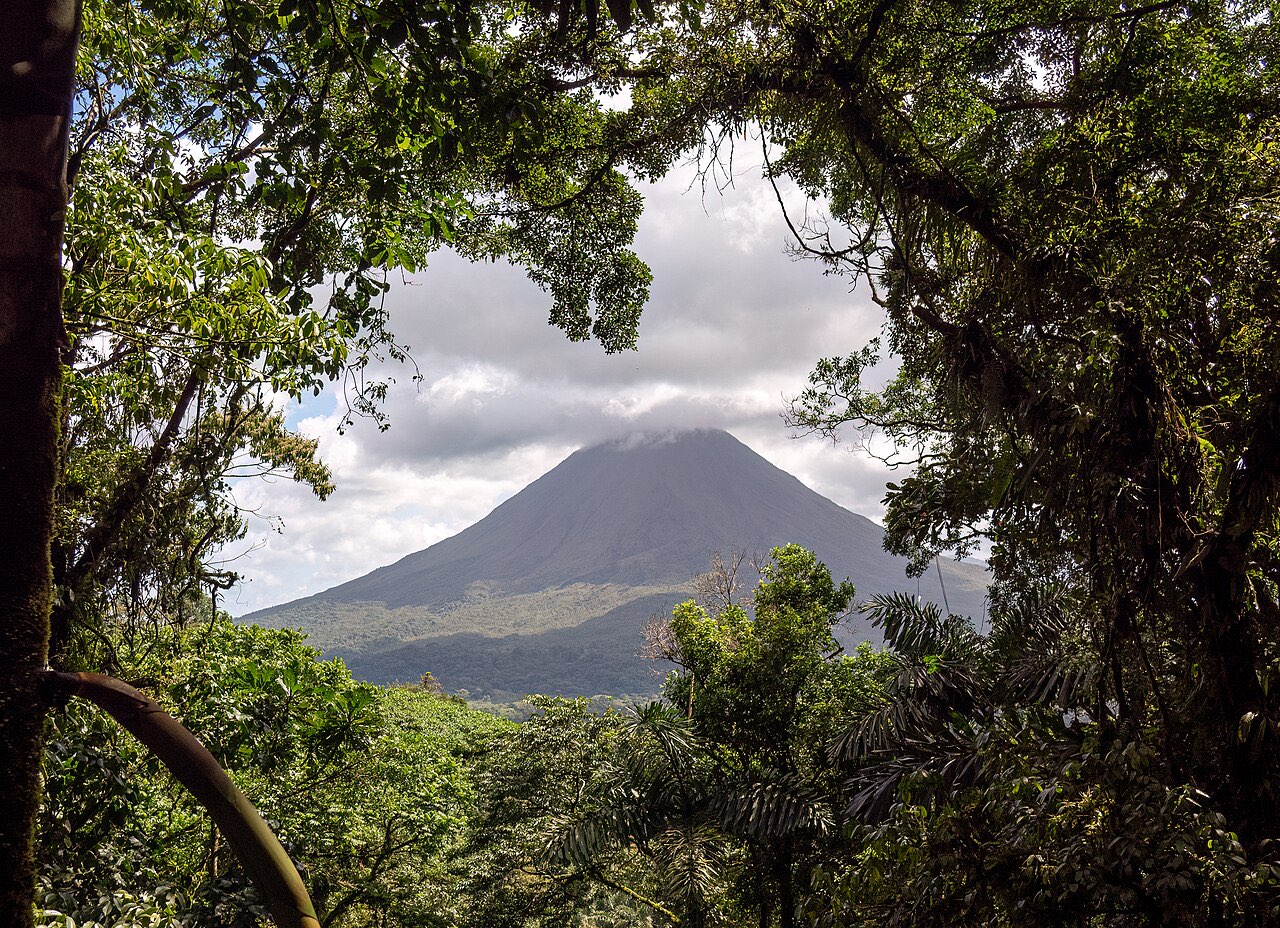
Updated Oct 2026 - Costa Rica in 10 Days: Volcano, Cloud Forest and Coast
A realistic 10-day Costa Rica itinerary — La Fortuna, Monteverde and Manuel Antonio — with honest drive times, official park fees and the booking rules.
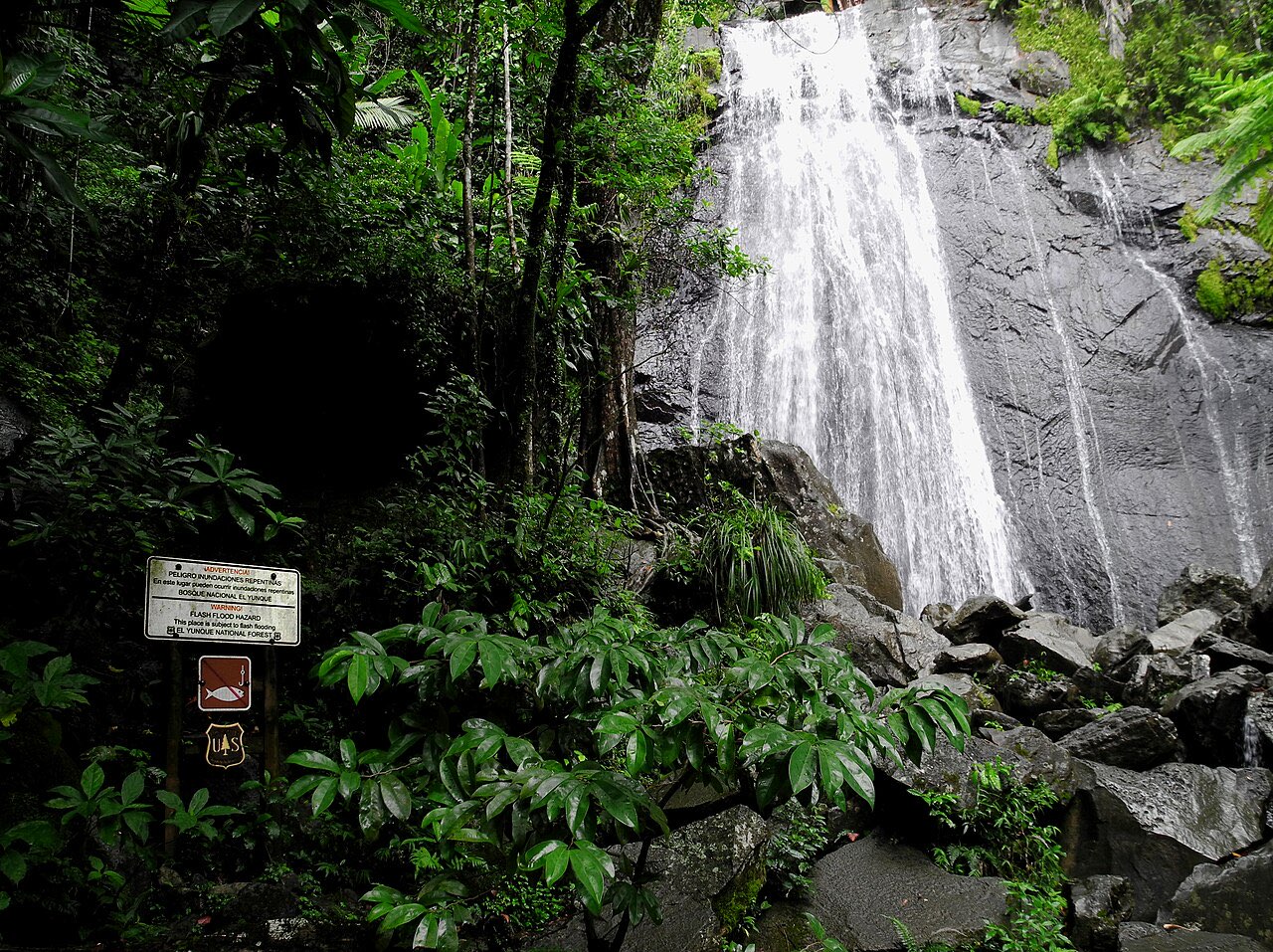
Updated Oct 2026 - El Yunque: Reservations, Trails and Waterfalls
El Yunque reservations are no longer required: free PR-191 entry 8am–5pm, the $8 El Portal fee, which trails are open or closed, and how to plan the day.
Updated Oct 2026