Best Time to Visit Peru: Dry Season, Rain and Crowds
In this guide
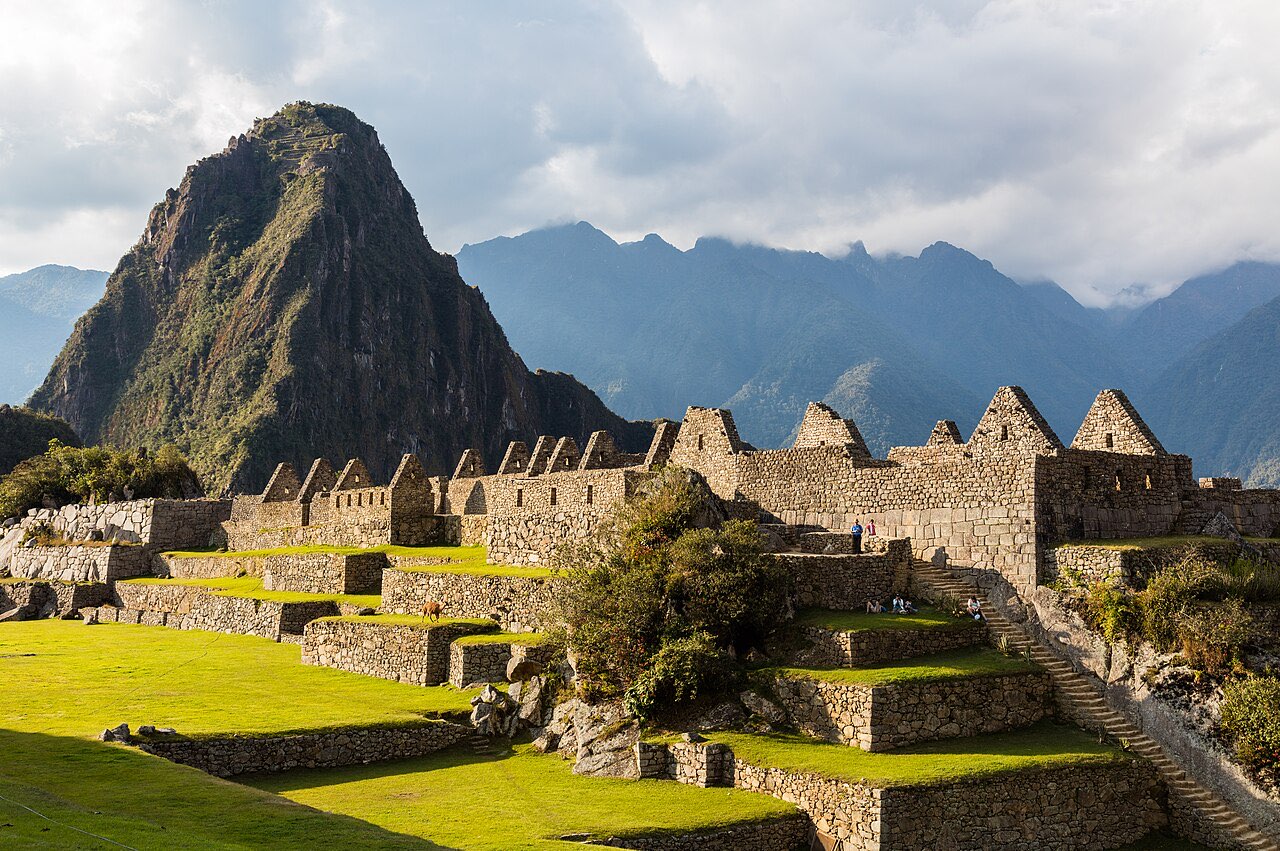
The short answer is May or September. Both months sit just inside the Andean dry season, so Cusco, the Sacred Valley and Machu Picchu are reliably clear, but you miss the June-to-August peak in both crowds and price.
The longer answer is that Peru does not have a season — it has three, and they do not line up. The Andes are dry when the coast is grey. The coast is sunny when the Andes are flooding. The Amazon is wet all year and merely less wet for part of it. Picking a month without first picking a region is the single most common planning mistake, and it is why so many people spend a July week in Lima under permanent cloud wondering where the South American sunshine went.
Climate figures below are monthly normals from the reference Climates to Travel, read in October 2026. Treat them as averages, not forecasts.
The quick version
| If you want | Go | Why |
|---|---|---|
| Machu Picchu, the Sacred Valley and the Inca Trail | May–September | The Andean dry season; clear mornings, cold nights |
| The same, with fewer people and lower prices | May, or late September–October | Dry enough, before and after the peak crush |
| Lima, Paracas and the central coast | December–April | The coast’s sunny season; June–September is overcast |
| The southern Amazon (Puerto Maldonado, Tambopata) | May–September | The drier window; 55–105 mm a month against 275–345 in the wet |
| Lowest prices and empty sites | January–March | Wettest in the Andes; the Inca Trail closes in February |
| Hiking the Inca Trail | April–October | Permits are capped and the route closes every February |
| Beaches and surf on the north coast | June–November | Dry there, while Jan–May is the north’s rainy season |
The three Perus
The Andes run a textbook wet and dry season. Cusco’s rainfall normals are 160 mm in January, 135 mm in February and 110 mm in March, then collapse to 45 mm in April, 10 mm in May, 0 mm in June, 5 mm in July and 10 mm in August before climbing again from September. Daytime highs barely move all year — about 20–22 °C — but the nights do the work: around 8 °C in the wet months, and 2 °C in June and 1 °C in July. Dry season in the Andes means sunny days and genuinely cold nights, which is a packing problem more than a planning one.
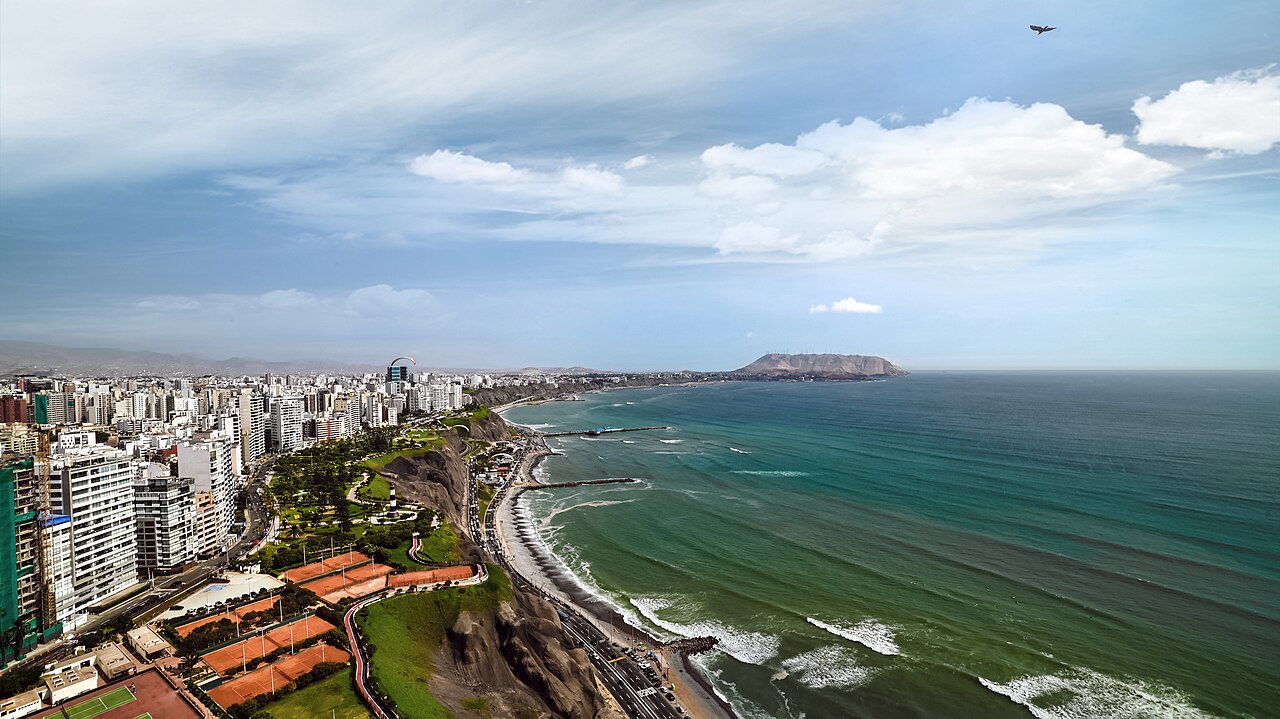
The coast is a desert. Lima records essentially no rain at all, about 5 mm a year, so its seasons are defined by cloud rather than water. From June to September the garúa — a low coastal mist — sits over the city and Climates to Travel records just one to two hours of sunshine a day. Highs in that period are 19–21 °C. From December to April the cloud lifts, highs hit 27–28 °C, and the sea warms from 17–18 °C to 22–23 °C. This is the exact inverse of the Andean calendar.
The Amazon is wet year round and the question is only how wet. Iquitos in the north averages about 2,850 mm a year, with July (165 mm) and August (155 mm) its least rainy months against March at 350 mm. Puerto Maldonado in the south, the gateway for Tambopata, is more seasonal: 55–65 mm a month from June to August against 345 mm in January and 335 mm in February. If an Amazon add-on matters to you, the southern lodges have a far more usable dry window than the northern ones.
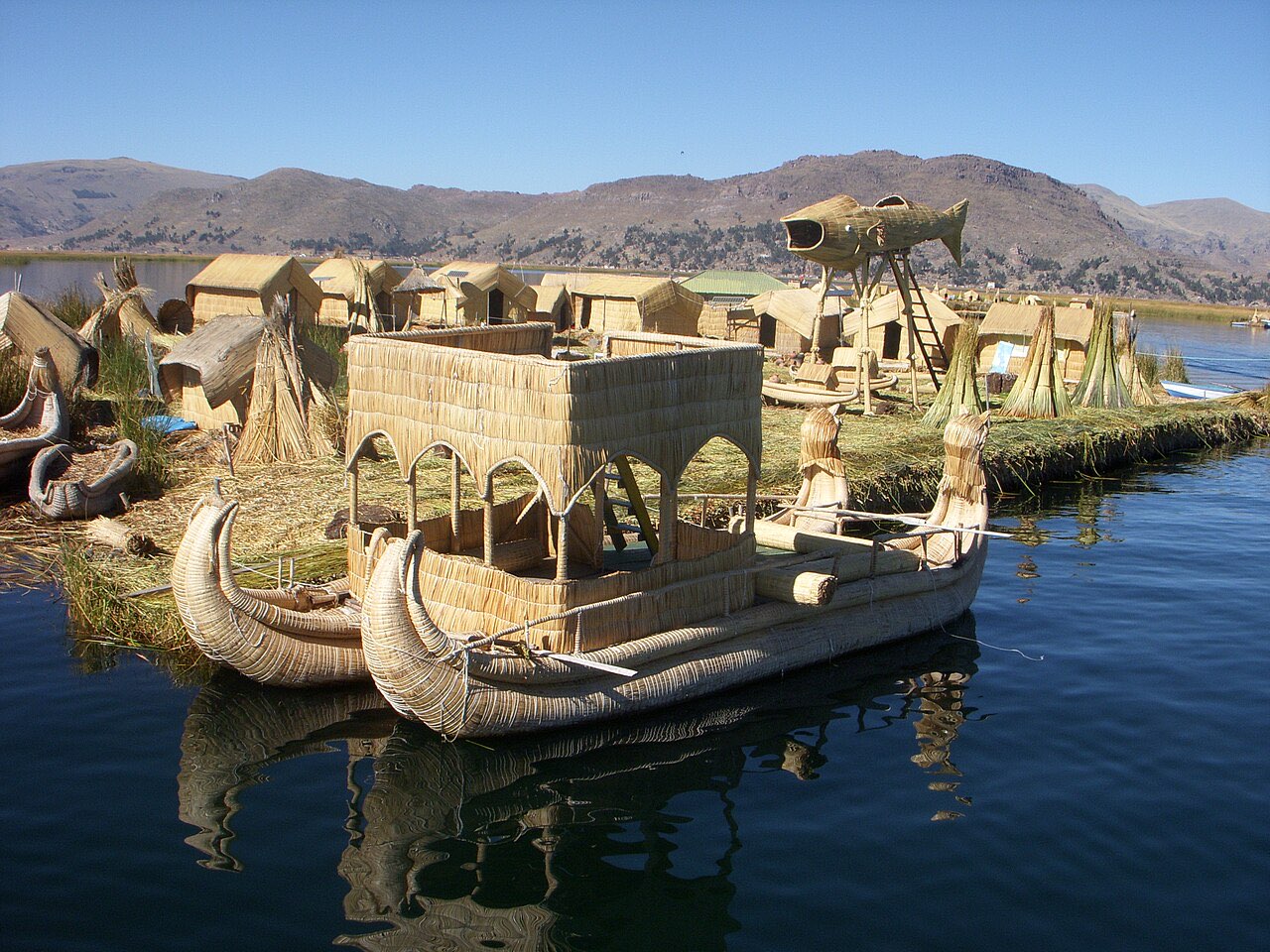
There is a fourth case worth naming. Lake Titicaca and the altiplano are dry-season extreme. Using the Juliaca station near Puno as a proxy, rainfall falls to 10 mm in May, 5 mm in June, 0 mm in July and 5 mm in August, while average night lows reach about −4 °C in June and July. Days are mild — highs 18–20 °C — and the sun at 3,800 m is fierce. Our Lake Titicaca guide covers the homestays, where that temperature swing is most noticeable.
The north coast is a fifth case and runs backwards from everywhere else: Tumbes and Piura take their rain from January to May (Tumbes averages 130 mm in February, 105 mm in March) and are dry from roughly June to November. In strong El Niño years — 1983, 1998 and 2016 are the cited examples — that January-to-May window turns hot, humid and far wetter than normal.
Month by month
| Month | Cusco & the Andes | Lima & central coast | Southern Amazon | Crowds & notes |
|---|---|---|---|---|
| January | Wettest month, 160 mm; cloud can hide Machu Picchu | Hot and sunny, 27–28 °C | Peak rain, 345 mm | Lowest prices in the Andes; Peruvian summer holidays on the coast |
| February | 135 mm; heaviest disruption risk | Hot and sunny; warmest sea | 335 mm | Inca Trail closes for maintenance; Machu Picchu stays open |
| March | 110 mm, easing late | Sunny, humid | 275 mm | Quiet, green, cheap; rail and road disruption still possible |
| April | Rain drops to 45 mm; landscape still green | Cloud starting to return | 155 mm | Strong value month; Semana Santa lifts domestic prices |
| May | 10 mm. The sweet spot | Garúa season beginning | 105 mm | Dry, green, pre-peak. Best single month for most trips |
| June | 0 mm, nights 2 °C | Overcast, 1–2 sun hours/day | 60 mm | Peak season begins; Inti Raymi on 24 June fills Cusco |
| July | 5 mm, nights 1 °C | Greyest stretch | 55 mm, cold snaps possible | Busiest and priciest; Fiestas Patrias 28–29 July |
| August | 10 mm | Overcast, cool | 65 mm | Still peak; Machu Picchu routes booked out well ahead |
| September | 20 mm | Cloud lifting late in month | 100 mm | The other sweet spot; crowds thin, weather still good |
| October | 45 mm, afternoon showers | Warming, sunnier | 165 mm | Good value; green returning to the Andes |
| November | 80 mm | Warm and bright | 235 mm | Shoulder; still workable for the Sacred Valley |
| December | 120 mm | Hot, sunny, busy | 280 mm | Christmas and New Year lift prices sharply |
Why May and September win
June to August gives you the driest weather in the Andes, and that is a real advantage. It also gives you the most people, the highest prices, and the tightest booking constraints.
Machu Picchu runs on a hard daily cap — reported at 5,600 visitors on designated peak dates in 2026 and 4,500 otherwise — and that total is divided across ten separate routes. The practical effect is that a date showing availability overall can be completely sold out on the route you actually want. Our Machu Picchu tickets guide explains the circuit system and which route to buy; the headline is that peak-season Route 2-A needs six to twelve weeks and Huayna Picchu needs three months or more.
May and late September sidestep most of that. Cusco’s May rainfall is 10 mm and September’s is 20 mm — not zero, but far closer to June than to January. The landscape in May is still green from the rains. September gets you the tail of the dry season with the crowds already thinning.
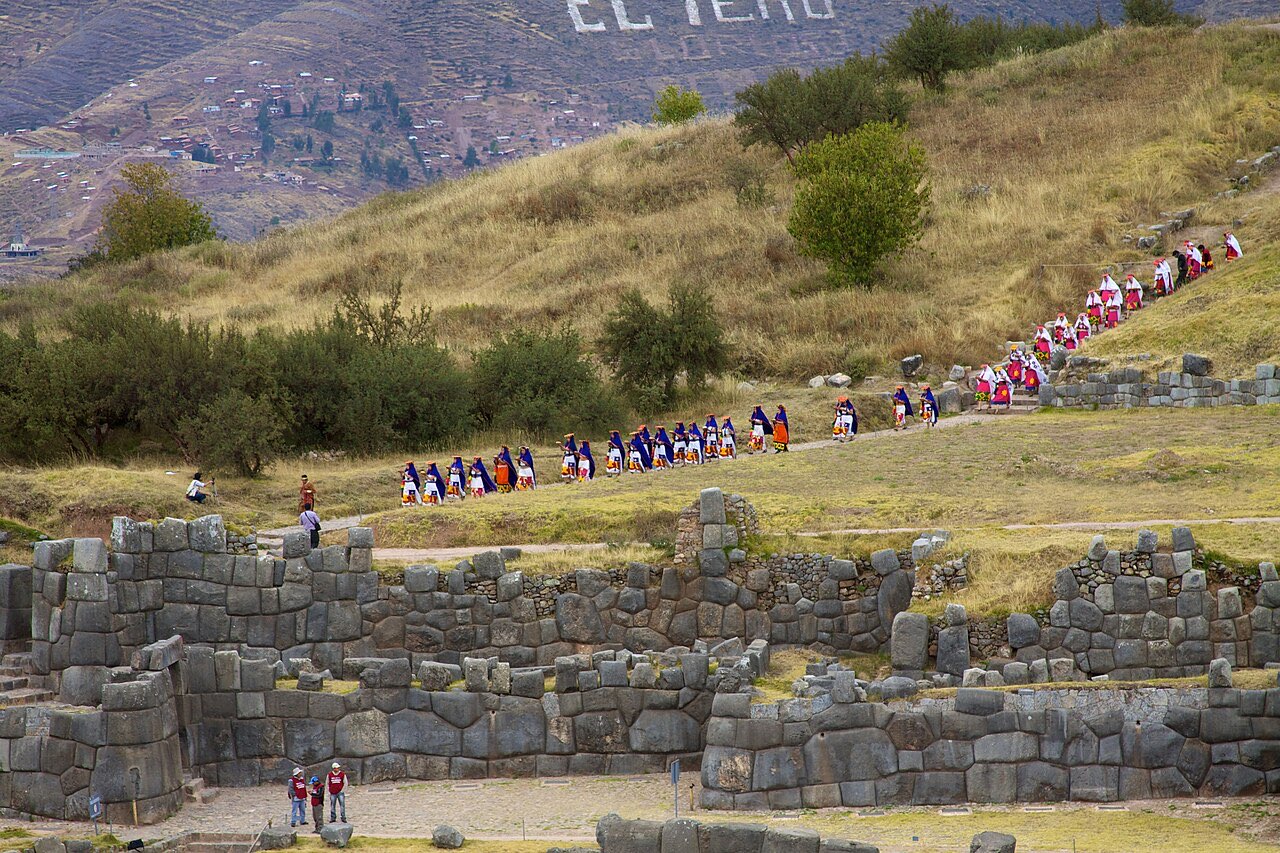
Two dates inside the peak are worth knowing. Inti Raymi, 24 June, is the Inca sun festival staged at Sacsayhuamán above Cusco, and it is the single busiest day of the Cusco year — plan around it or commit to it, but do not arrive unaware. Fiestas Patrias, 28 and 29 July, is Peru’s national holiday, when Peruvians themselves travel; domestic flights, buses and Cusco hotels tighten noticeably. We could not find published visitation figures for either, so treat the crowding as directional rather than measured.
The February Inca Trail closure
The classic Inca Trail closes every February for maintenance. For 2026, SERNANP — Peru’s protected-areas agency — confirmed the network was closed to tourism throughout February, with normal operations resuming on 1 March 2026, as reported by the state news agency Andina.
Three things follow:
- Machu Picchu itself does not close. You can still visit by train. Only the trail is shut.
- The exact dates are set by resolution each year. February 2027 should be assumed closed, but confirm with SERNANP or a licensed operator before you book flights around it.
- Alternative treks are not a like-for-like swap. The Salkantay and Lares routes stay open, but February is the wettest part of the Andean year and those routes are at their least pleasant then.
Permits for the classic trail are capped and allocated separately from entry tickets — see our Inca Trail permits guide for the quota and booking mechanics.
What the wet season actually costs you
January to March in the Andes is not unusable, and the trade is a genuine one: lower prices, quieter sites, and a landscape that looks nothing like the dusty brown of August. What you are accepting is specific.
- Cloud. Machu Picchu can be entirely fogged in, and a non-refundable, non-transferable, single-day ticket does not care.
- Disruption. Landslides close the Ollantaytambo rail line and Andean roads in heavy rain. Build buffer days before any international flight home.
- Shorter usable days. Afternoon downpours are the pattern, so plan sites for the morning.
- Trek conditions. Mud, river crossings and leeches on the jungle-side routes.
Altitude does not have a season
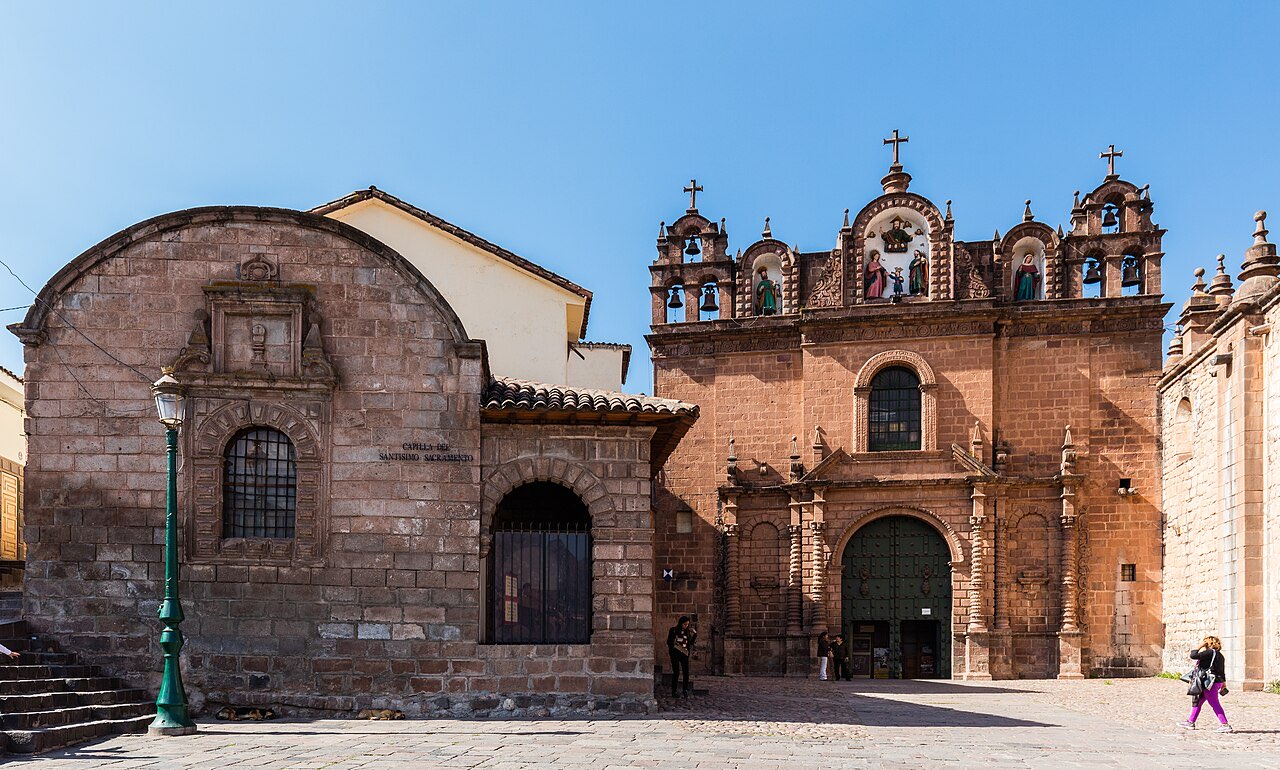
One factor that does not change month to month: Cusco sits at about 3,400 m and Puno at roughly 3,800 m, while Machu Picchu is far lower at around 2,430 m. Flying straight from sea-level Lima into Cusco is hard on most people in any month, and the standard advice is to acclimatise before you do anything strenuous — our Cusco altitude guide covers how. If anything, the dry season is marginally harder, because cold, dry air at altitude dehydrates you faster.
Disruption that is not weather
Weather is not the only thing that closes a Peruvian road. The US State Department’s Peru advisory, at Level 2, Exercise increased caution, issued 4 September 2026, notes that demonstrations occur regularly and that they “can shut down local roads, trains, and major highways”, often without warning or clear information on reopening times, including access to airports.
The same advisory lists Do Not Travel areas — the Colombia–Peru border area in Loreto, the VRAEM, and Abancay, Ayacucho, Huancavelica and Huancayo — and states explicitly that the city of Cusco and the nearby tourist sites, including the Sacred Valley, the Inca Trail and Machu Picchu, are not in the affected area. Our Peru safety guide goes through this region by region.
The planning consequence is the same in every month: do not put a same-day connection between an Andean train and an intercontinental flight.
Putting it together
If you have one trip and want the best odds, take May. The Andes are dry, the landscape is still green from the rains, prices have not peaked, and the southern Amazon has entered its drier window. Late September into early October is the close second, with thinner crowds as compensation for slightly more cloud.
If you are price-led and willing to gamble on views, January to March is genuinely cheap and genuinely quiet, and February also closes the Inca Trail — so only consider it if you were going by train anyway.
If your trip is weighted toward Lima, Paracas and the coast rather than the mountains, ignore all of the above and go between December and April, when the coast is actually sunny. Our Peru 10-day itinerary shows how to fit both halves of the country into one trip without fighting the calendar, and the Peru packing list handles the 20-degree daily swing in the Andes.
Climate normals, advisory levels and closure dates here were checked in October 2026. Confirm the Inca Trail dates with SERNANP and the advisory at travel.state.gov before you commit.
Booking around the season
Once you have picked your month, the Cusco-based day tours, Sacred Valley trips and Machu Picchu packages are the things that sell out first in the dry season — see what is available from Cusco. In the shoulder months you can usually book much closer to the date.
Frequently asked questions
What is the best month to visit Peru?
May or September. Both sit at the edges of the Andean dry season, so Cusco, the Sacred Valley and Machu Picchu are reliably dry, but you avoid the June-to-August crush and the highest prices. Cusco averages about 10 mm of rain in May and 20 mm in September, against 160 mm in January. If your trip is mostly Lima and the coast, the answer inverts completely: December to April is the sunny season there, and June to September is grey.
When is the dry season in Peru?
In the Andes, roughly May to September, with May to August the driest stretch. Cusco's monthly rainfall normals run 10 mm in May, 0 mm in June, 5 mm in July and 10 mm in August, against 160 mm in January and 135 mm in February. The southern Amazon has a drier window from about May to September too. The central coast around Lima has no rainy season at all in the normal sense: it is a desert that gets about 5 mm of rain a year.
Is the Inca Trail closed in February?
Yes, every year. SERNANP, Peru's protected-areas agency, closed the Inca Trail network to tourism throughout February 2026 for maintenance, with operations resuming on 1 March. The same closure has run in previous years and should be assumed for February 2027, but the exact dates are set by resolution each year, so confirm with SERNANP or a licensed operator before you build a February trip around it. Machu Picchu itself stays open.
Is the rainy season a bad time to visit Peru?
It depends where you are going. In Cusco and the Sacred Valley, January to March brings the heaviest rain of the year, cloud that can hide Machu Picchu entirely, and a higher chance of landslides and rail disruption on the Ollantaytambo line. In exchange you get green landscapes, far fewer people and lower prices. On the Lima coast it is the opposite: January to March is the sunny, warm part of the year.
When is Peru most crowded and expensive?
June to August, which is the Andean dry season, the northern-hemisphere summer and the Peruvian winter holidays all at once. Inti Raymi on 24 June fills Cusco, and Fiestas Patrias on 28 and 29 July is when Peruvians themselves travel. Machu Picchu's daily entry cap is split across ten routes, so popular routes on peak dates sell out months ahead. Book entry tickets and trains together, not one and then the other.
Does the weather affect getting around Peru?
Yes, and so does unrest. Heavy rain in January to March causes landslides and road and rail closures in the Andes. Separately, the US State Department's Peru advisory, issued 4 September 2026, notes that demonstrations can shut down local roads, trains and major highways, often without warning or clear information on reopening times. Build slack into any itinerary with a tight international connection at the end.
Keep planning
- Machu Picchu Tickets: Circuits, Timed Entry and How to Book
How Machu Picchu tickets work in 2026: the three circuits and ten routes, prices in soles, daily caps, timed entry and booking on the official portal.
Updated Oct 2026 - Best Time to Visit Costa Rica: Dry, Green and Shoulder Season
Best time to visit Costa Rica month by month: Pacific dry season dates, why the Caribbean is driest in September, and green season prices.
Updated Oct 2026 - Best Time to Visit the Dominican Republic: Season by Coast
Best time to visit the Dominican Republic month by month: hurricane season dates, Samana whale season, sargassum by coast, and why the north coast runs backwards.
Updated Oct 2026