Machu Picchu Tickets: Circuits, Timed Entry and How to Book
In this guide
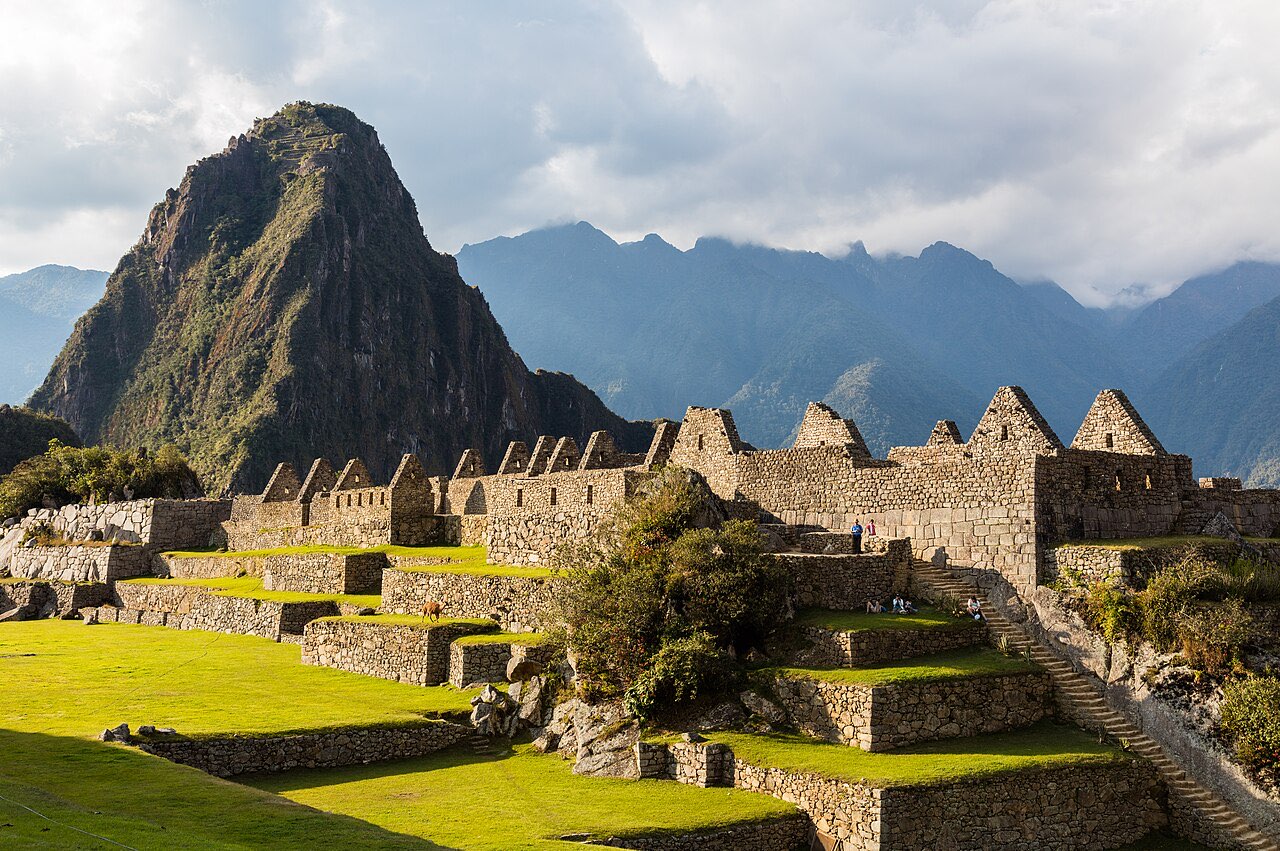
A Machu Picchu ticket is not a ticket to Machu Picchu. It is a ticket to one route, on one date, at one entry hour, in one named person’s passport details — and the route you pick decides which half of the site you will actually walk through. Buy the wrong one and you can stand above the ruins for two hours without ever entering the Temple of the Sun.
Short answer for a first visit: buy Circuit 2, Route 2-A on the Ministry of Culture’s own platform, tuboleto.cultura.pe, two to three months ahead if you are travelling between June and September. Everything below explains the circuit system, what each route gets you, what it costs, and the booking traps.
Peru changes these rules often. The circuit structure, prices and daily caps here reflect official Ministry of Culture pages and Peruvian reporting read in October 2026; confirm them on the official pages before you pay.
The circuit system, explained
Since the 2024 reorganisation the site is divided into three circuits containing ten routes. The Ministry of Culture publishes them as follows:
| Circuit | Official name | Routes | What it covers |
|---|---|---|---|
| 1 | Panorámico | 1-A, 1-B, 1-C, 1-D | Upper terraces, viewpoints and peripheral trails. Does not enter the urban sector. |
| 2 | Machupicchu Clásico | 2-A, 2-B | The classic overhead view plus the urban core — temples, plazas, residential blocks |
| 3 | Machupicchu Realeza | 3-A, 3-B, 3-C, 3-D | The lower royal sector, and the gateway to the mountain climbs |
Four routes are sold only in high season: 1-C (Inti Punku / Sun Gate), 1-D (Inca Bridge), 3-C (Gran Caverna) and 3-D (Huchuy Picchu). The rest run year-round.
Three routes include a serious climb and cost more: 1-A Machu Picchu Mountain, 3-A Huayna Picchu and 3-C Gran Caverna.
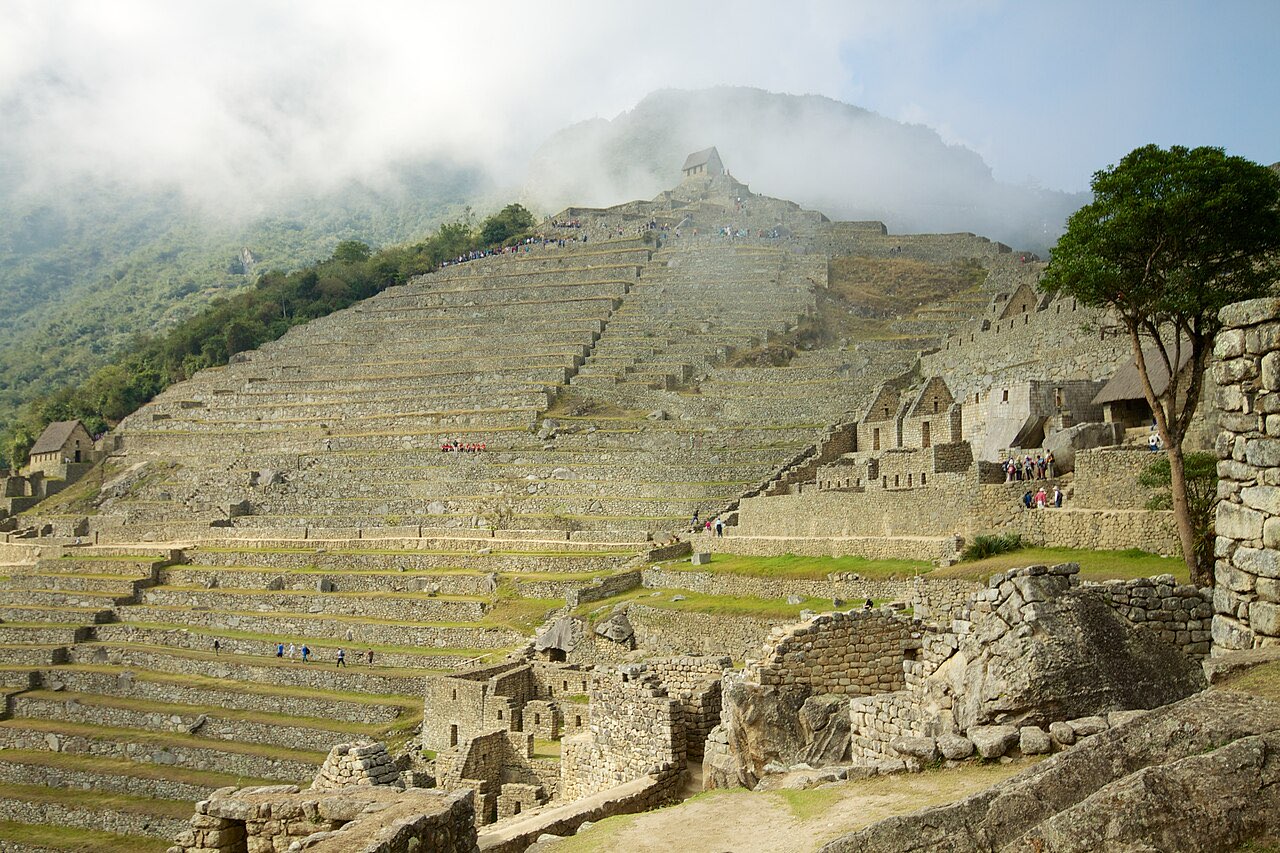
Two rules follow from this structure, and both catch people out. First, the circuits are one-way: you cannot backtrack, and you cannot switch circuits inside the site. Second, a Circuit 1 ticket genuinely does not let you into the Temple of the Sun or the Sacred Plaza — those are Circuit 2 ground. If your mental image of Machu Picchu is walking among the buildings, Circuit 1 is not it.
Which route to buy
Route 2-A (Circuit 2, “Ruta diseñada”) is the default and the right answer for most first visits. It is the only route that combines the postcard viewpoint with a full walk through the urban sector. If you buy one ticket in your life, buy this one.
Route 2-B (Lower Terrace) is the shorter Circuit 2 option — useful if you are short on energy or altitude-adapted time, but it gives up ground.
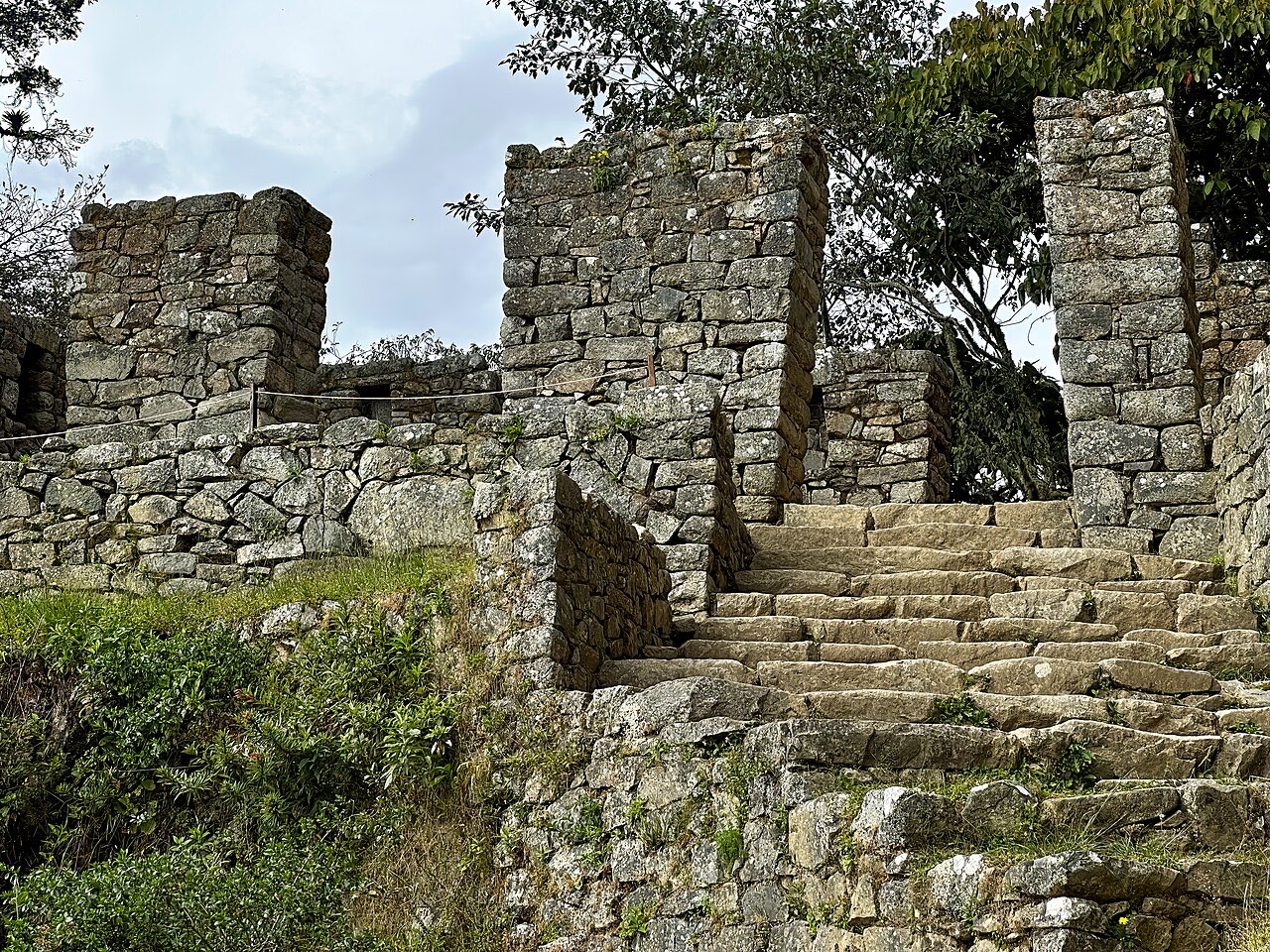
Route 3-A (Huayna Picchu) is the famous steep staircase up the peak behind the ruins. It is the first route to sell out, it is exposed and not for anyone uneasy with heights, and the Circuit 3 walk around it covers the lower royal sector rather than the full city. Pick it if the climb is the point.
Route 1-A (Machu Picchu Mountain) is the longer, higher, less vertiginous climb — more sustained effort, far better odds of availability, and a much wider view.
Route 1-C (Inti Punku) walks out to the Sun Gate, where Inca Trail hikers arrive. It is sold only in high season and is a good consolation if you wanted the Inca Trail permits and could not get them.
Route 3-D (Huchuy Picchu) is the small sibling peak: a short climb, a fraction of the Huayna Picchu drama, and far easier to book. High season only.
What it costs
Prices are set in Peruvian soles (S/) and your card converts at its own rate. The figures below reflect Peruvian reporting and ticketing pages read in October 2026, with USD at roughly S/3.45 to the dollar.
| Ticket | Price (as of October 2026) | Rough USD |
|---|---|---|
| Foreign adult, standard route | S/152 + S/11 SERNANP = S/163 | ~USD 47 |
| Foreign adult, climbing route (1-A, 3-A, 3-C) | S/200 + S/11 SERNANP = S/211 | ~USD 61 |
| Peruvian adult, standard route | S/64 + SERNANP charge | ~USD 19 |
The S/11 SERNANP conservation charge is new: it was added on top of the Ministry of Culture ticket from 1 May 2026, which is why older guides quote S/152 and the checkout shows more. Students and children pay reduced rates, and Peruvians, residents and Andean Community citizens pay less again, but you must show a DNI, carné de extranjería or passport proving it. Budget separately for the train, the shuttle bus up from Machupicchu Pueblo and a guide — see our Peru money guide for how to carry and change soles.
Daily caps and why dates vanish
Machu Picchu runs on a hard quota. For 2026 the cap is reported at 5,600 visitors a day on designated peak dates and 4,500 on all other days, set by ministerial resolution. The number matters less than its consequence: that total is split across ten routes, so availability is route-by-route. A date showing plenty of space on Circuit 1 can be completely gone on Route 3-A.
Practical booking windows:
- Huayna Picchu (3-A) in peak months: book the moment your dates are fixed, three months or more out.
- Route 2-A in June–September: six to twelve weeks.
- Route 2-A in the green season (roughly November–March): a few weeks is usually enough, and last-minute often works.
If the dates you want are gone, the official fallback is the DDC–Cusco ticket office in Machupicchu Pueblo, which sells 1,000 tickets a day for entry the next day. That means being in town the day before and queuing, with no guarantee of your preferred route. Check live availability first on the Ministry’s own availability page before you gamble a night’s accommodation on it.
Booking on tuboleto.cultura.pe without losing your mind
The official portal is functional but unforgiving, and it strains during the hours after a big release.
- Have passports open. Every ticket is issued to a named person with a passport number, and the name must match what you present at the gate. Mistyped numbers are a problem at the turnstile, not a formality.
- Pick circuit, route, date and hour before you see a price. The flow asks for the visit details first.
- Expect a cap of five visitors per reservation. Larger groups split into multiple bookings — which risks losing the same time slot, so book them back to back.
- Use Visa or Mastercard. The platform’s card support is narrow and foreign cards are sometimes declined; a foreign-card processing surcharge has been reported but we could not confirm it officially.
- Save the PDF immediately. Tickets are non-refundable and non-transferable, and date changes are handled through a separate Ministry procedure rather than at the gate.
If the site defeats you, a licensed Cusco agency buys on the same platform for a service fee. That is legitimate; anything claiming to be “the official site” on a different domain is not. The genuine pages are machupicchu.gob.pe for the circuits and tuboleto.cultura.pe for sales.
Entry hours and how long you get
Entry is by hourly slot, running from early morning — typically from around 06:00 for the main year-round routes — through to mid-afternoon. The official schedule is published as a PDF on the Ministry’s visiting-hours page, and we could not extract a route-by-route table from it, so treat specific slot times as something to read off the booking screen rather than from any guide.
What is consistent: you enter in your hour, you walk your route in one direction, and you leave. Climbing routes have their own narrower entry windows because the ascent has to finish inside the day. Plan on roughly two to three hours inside for a standard route, four to six if you add a mountain.
Getting there, and the day before
There is no road to Machupicchu Pueblo. You arrive by train from Ollantaytambo in the Sacred Valley or from Cusco, then take the shuttle bus or walk up to the gate. Train seats for peak dates sell out alongside entry tickets, so book both together rather than one and then the other.
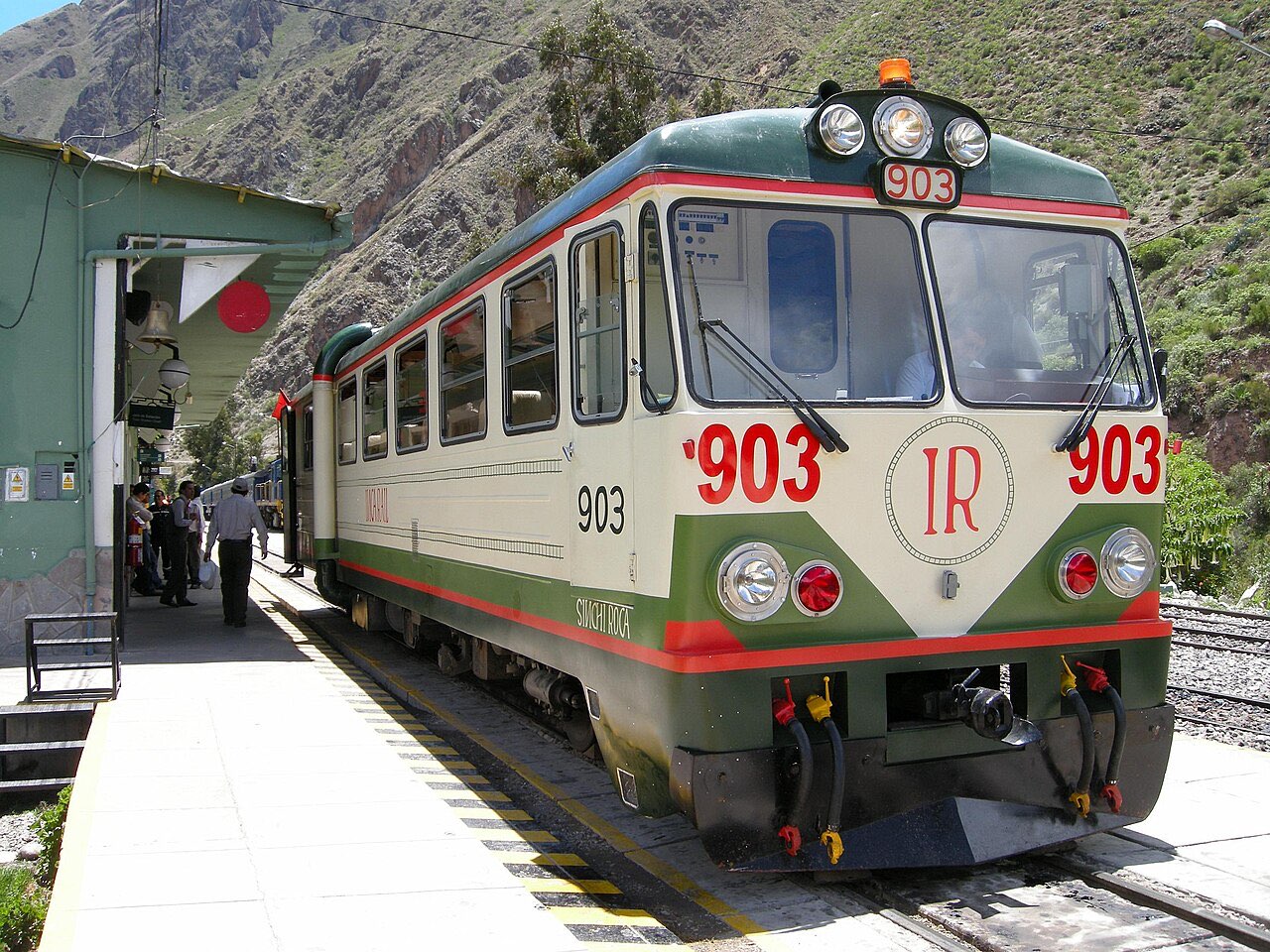
Sleep in Machupicchu Pueblo the night before an early slot. Same-day round trips from Cusco exist but they depend on one train running to time, and a missed entry hour is a forfeited ticket. Note also that Machu Picchu sits around 2,430 m — lower than Cusco at about 3,400 m — so the usual advice is to acclimatise in Cusco or the Sacred Valley first; our Cusco altitude guide covers that properly.
Mistakes to avoid
- Buying Circuit 1 expecting the full city. The single most common and most expensive misunderstanding.
- Booking the entry ticket before the train. The train is the harder constraint on some dates.
- Assuming your ticket covers the bus. The shuttle up from the town is a separate fare.
- Turning up with a different passport from the one on the ticket. Renewals between booking and travel cause real problems at the gate.
- Planning a second entry. Each ticket is valid once; if you want two routes, that is two tickets on two slots, and often two days.
- Trusting a guide page’s prices, including this one. Verify in the week you book.
When to go
June to September is dry, clear and fully booked. April–May and October–early November are the sweet spot: greener, far less contested, and generally dry enough. January and February are the wettest months — the Inca Trail closes in February for maintenance, and cloud can wipe out the view entirely, though the compensation is a site that feels almost empty. Our best time to visit Peru guide breaks the seasons down region by region, and the Peru 10-day itinerary shows where Machu Picchu fits in a wider trip.
Frequently asked questions
Where do I buy official Machu Picchu tickets?
On the Peruvian Ministry of Culture's platform, tuboleto.cultura.pe, where the site is listed as Llaqta Machupicchu. That is the only official online channel. The one other official option is the DDC–Cusco ticket office in Machupicchu Pueblo (Aguas Calientes), which sells 1,000 tickets a day for entry the following day. Licensed agencies buy on the same platform and add a fee.
Which Machu Picchu circuit should a first-time visitor buy?
Circuit 2, Route 2-A. The Ministry calls Circuit 2 'Machupicchu Clásico', and 2-A is the route that walks through the urban core — the Temple of the Sun, the Intiwatana, the Sacred Rock and the Temple of the Condor — as well as giving the classic overhead view. Circuit 1 is panoramic only and does not enter the urban sector at all.
How much does a Machu Picchu ticket cost?
As of October 2026 a foreign adult pays S/152 (about USD 44) for a standard route, plus an S/11 SERNANP conservation charge added from 1 May 2026, so roughly S/163 (about USD 47) in total. The three climbing routes — 1-A Machu Picchu Mountain, 3-A Huayna Picchu and 3-C Gran Caverna — are quoted at S/200 before that charge. Peruvians and residents pay substantially less. Confirm the current figure on tuboleto.cultura.pe before you budget.
How far in advance should I book Machu Picchu?
Two to three months for a standard route in the June-to-September peak, and as early as you can for Huayna Picchu, which sells out first. Daily capacity is capped — reported at 5,600 on designated peak dates in 2026 and 4,500 on other days — and each route has its own slice of that cap, so a date that still looks open overall may already be sold out on the route you want.
Can I change circuits once I am inside Machu Picchu?
No. Each ticket admits you to one route, on one date, at one entry hour, and the circuits are one-way paths. The official code of conduct forbids straying from the established circuit, and you cannot backtrack or switch. Tickets are issued in a named passport holder's name and are not transferable.
Do the circuits and prices change?
Frequently. Peru has reorganised the Machu Picchu circuits more than once since 2024, and the SERNANP charge was added mid-2026. Treat every number in any guide, including this one, as a starting point and verify it on the Ministry of Culture's pages in the week you book.
Keep planning
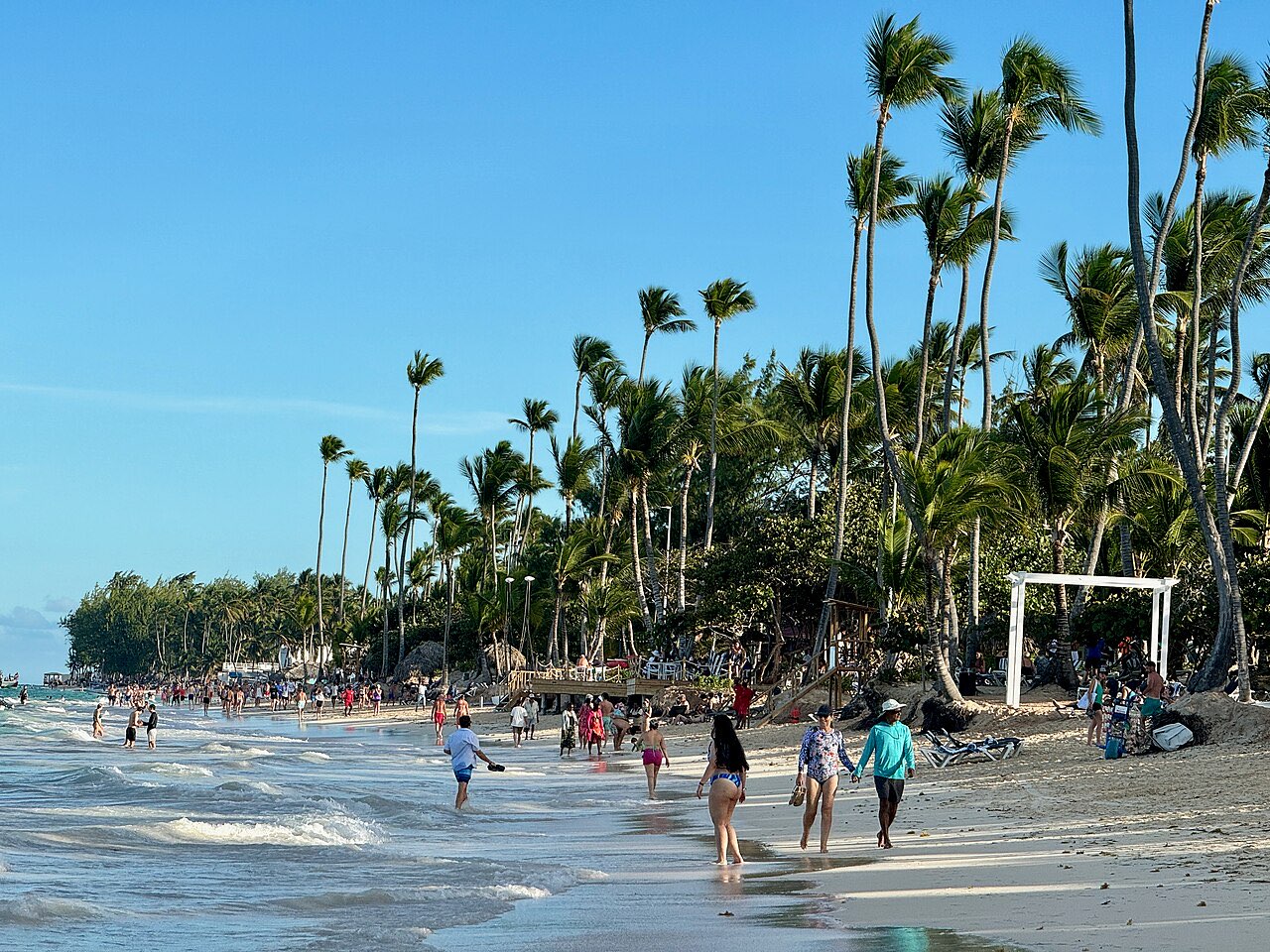
- Best Time to Visit the Dominican Republic: Season by Coast
Best time to visit the Dominican Republic month by month: hurricane season dates, Samana whale season, sargassum by coast, and why the north coast runs backwards.
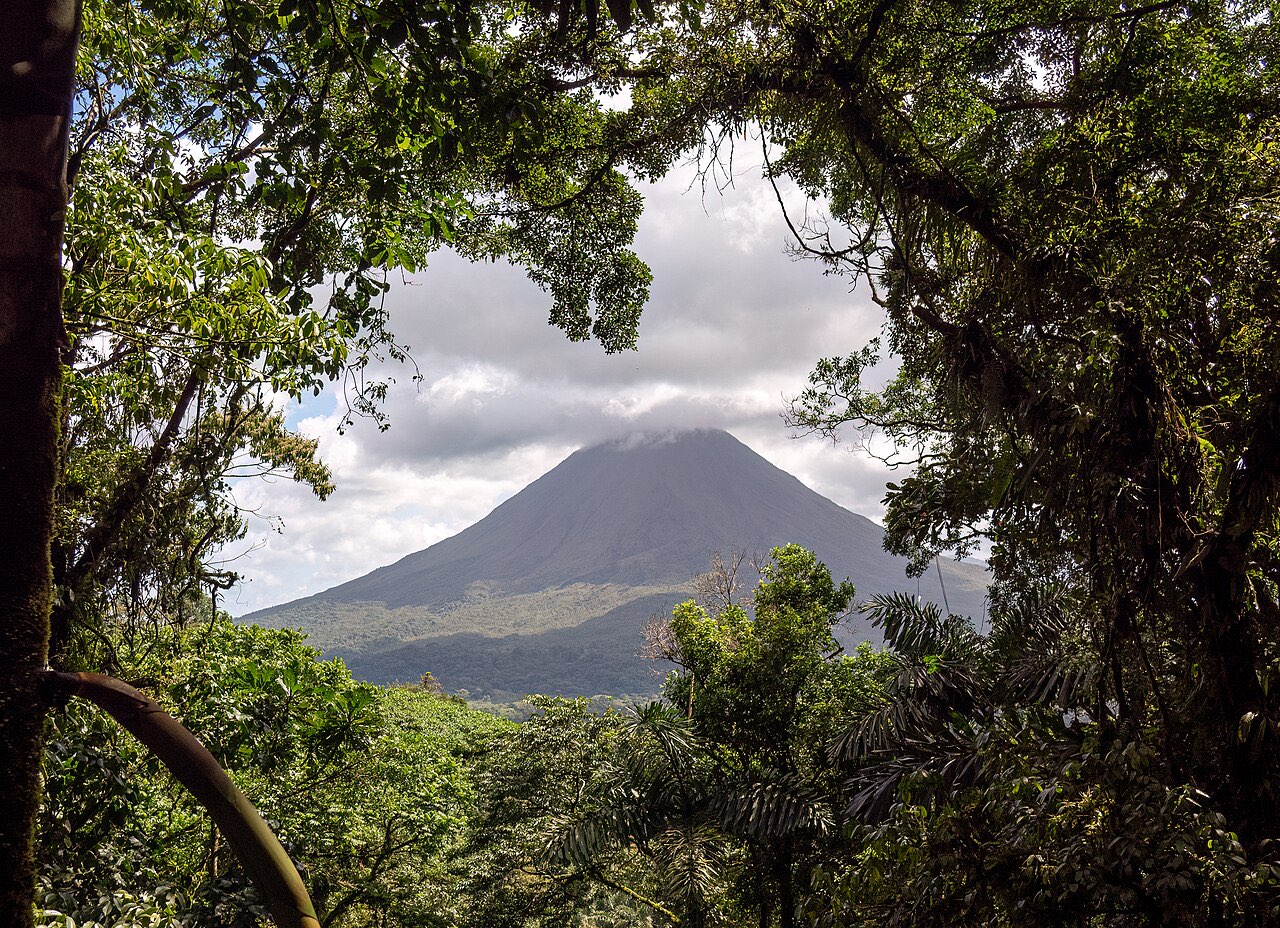
Updated Oct 2026 - Costa Rica in 10 Days: Volcano, Cloud Forest and Coast
A realistic 10-day Costa Rica itinerary — La Fortuna, Monteverde and Manuel Antonio — with honest drive times, official park fees and the booking rules.
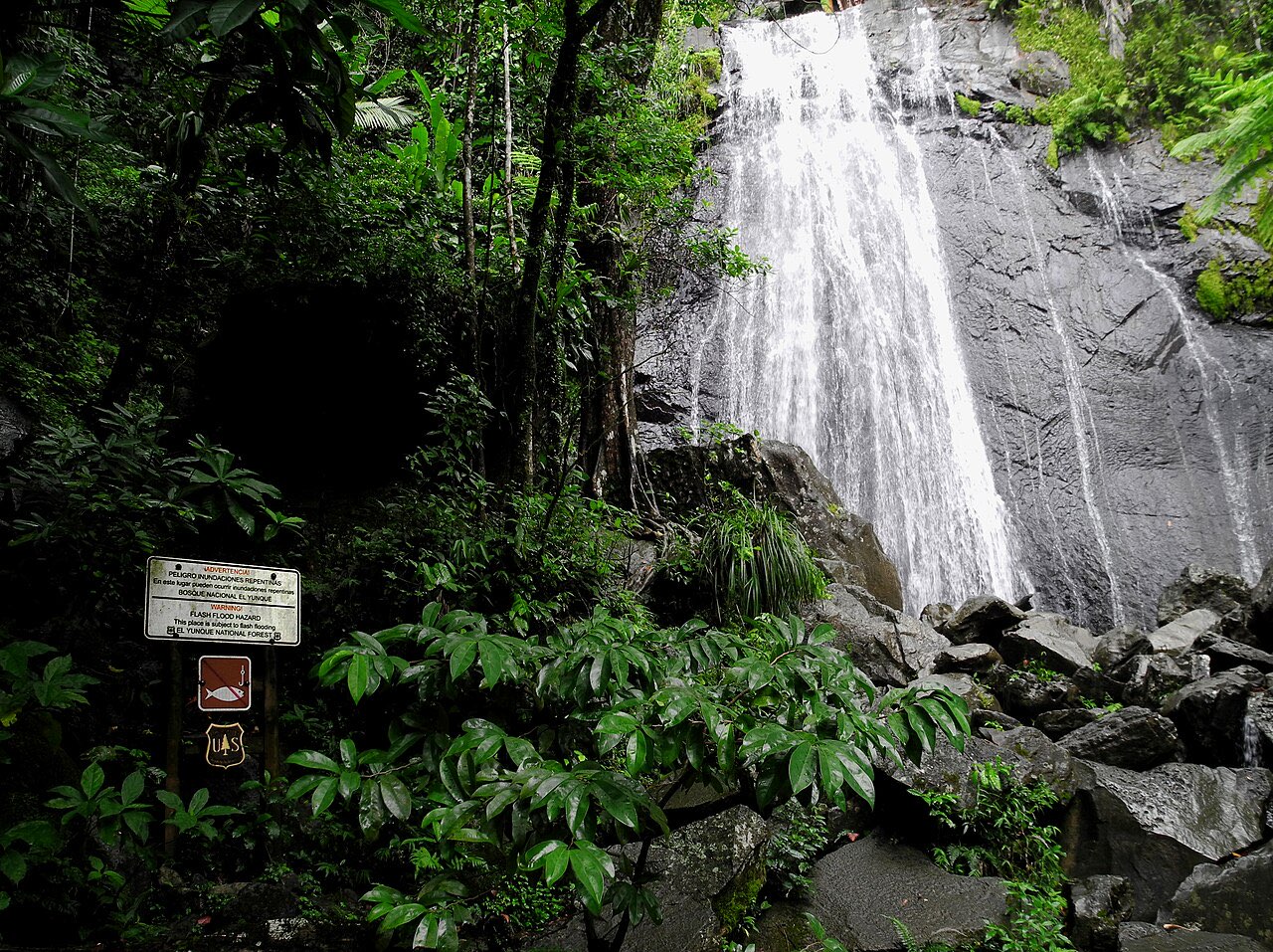
Updated Oct 2026 - El Yunque: Reservations, Trails and Waterfalls
El Yunque reservations are no longer required: free PR-191 entry 8am–5pm, the $8 El Portal fee, which trails are open or closed, and how to plan the day.
Updated Oct 2026