Which Hawaiian Island Should You Visit? An Honest Comparison
In this guide
If you only have one week and one island, the short answer is: Oahu if this is your first trip or your budget is tight, Kauai if you want the scenery above everything else, Hawaii Island if you want volcanoes and variety and do not mind driving, and Maui if you want the most polished resort experience and are willing to pay the most for it. Those four islands are not interchangeable. They differ in how much you will spend per day, how far you will drive, how many other visitors you will share the place with, and which sights you need to book weeks ahead.
This guide compares them on numbers the State of Hawaii actually publishes, names the reservation systems that catch people out, and says plainly who should skip each island. Maui needs a paragraph of its own: the 2023 wildfire changed where visitors should and should not go, and the guidance is specific rather than vague.
The four islands at a glance
The spending, crowd and stay figures below come from the Hawaii Department of Business, Economic Development and Tourism’s monthly visitor statistics, year-to-date January to August 2026, marked preliminary. “Average daily census” is the number of visitors present on the island on an average day — the single most useful crowd measure the state publishes.
| Oahu | Maui | Kauai | Hawaii Island | |
|---|---|---|---|---|
| Visitors Jan–Aug 2026 | 3,861,872 | 1,819,840 | 989,084 | 1,205,206 |
| Visitors present on an average day | 110,323 | 52,560 | 25,407 | 31,990 |
| Visitor spend per person per day | $253 | $336 | $320 | $270 |
| Average stay | 6.9 days | 7.0 days | 6.2 days | 6.4 days |
| Driving | Least — freeways, a bus network | Moderate; one slow coast road | Moderate; no road circles the island | Most — it is bigger than the others combined |
| Headline sights | Pearl Harbor, Diamond Head, North Shore | Haleakala, Road to Hana, west-side beaches | Napali Coast, Waimea Canyon, north shore | Kilauea, Mauna Kea, both wet and dry coasts |
| Best for | First trips, budget, food, nightlife, no car | Resorts, beaches, whale season | Scenery, hiking, slowing down | Volcanoes, stargazing, snorkelling, variety |
| Skip it if | You want quiet and empty beaches | Your budget is the constraint | You want nightlife or lots of restaurants | You hate long drives |
Two things in that table do most of the work. Oahu absorbs more than half of all arrivals but is also the cheapest per day, because it has real competition in hotels, buses, and places to eat that are not resorts. Kauai has a quarter of Oahu’s visitors but costs more per day than anywhere except Maui, because almost everything there is sold to visitors.
Oahu: the default, and usually the right one
Oahu is where more than half of Hawaii’s visitors land, and the instinct to avoid it on those grounds is usually wrong. It is the only island with a genuine city, which means the widest hotel price range, the most non-resort food, and a public bus network that makes a car optional if you base yourself in Honolulu. State figures put per-person-per-day spending at about $253 — roughly $83 a day less than Maui.
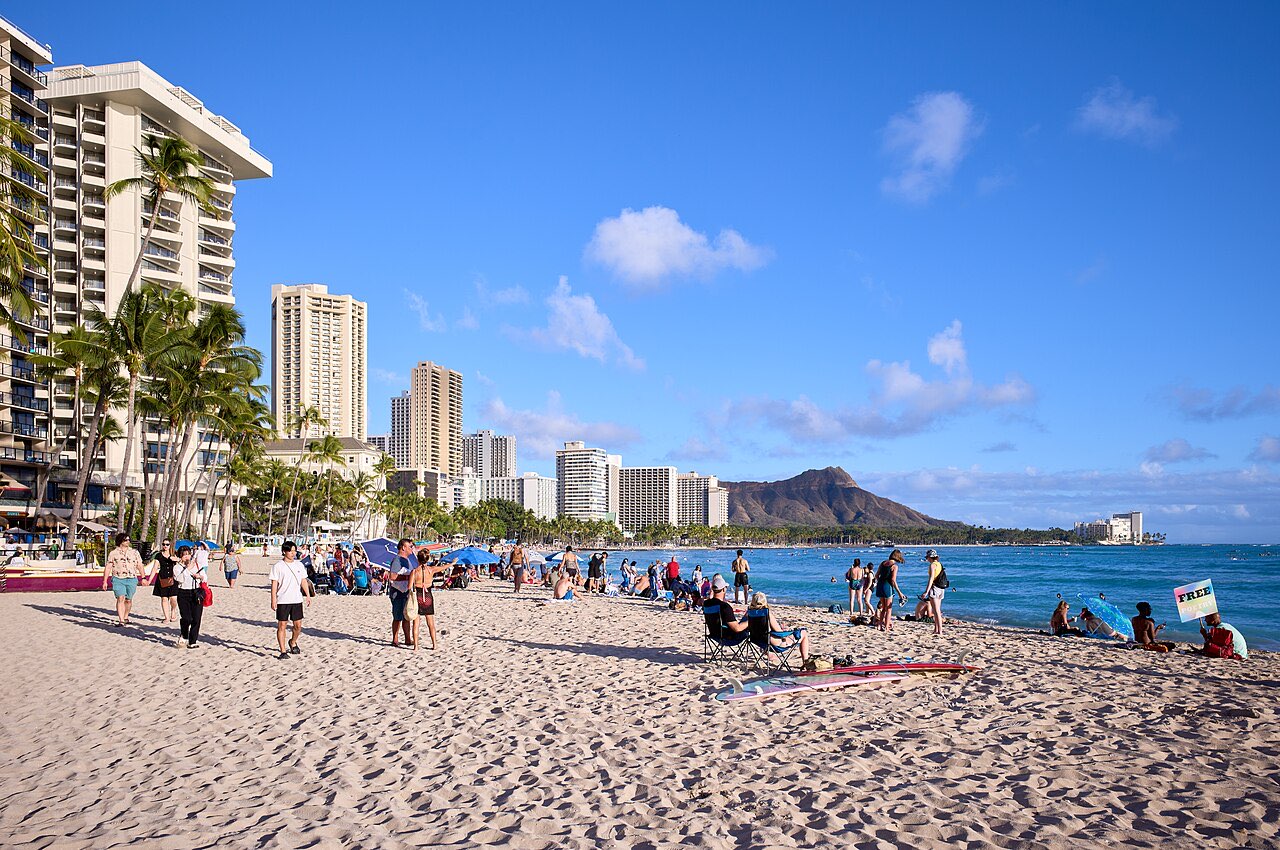
Distances are short. You can be on the Windward coast or the North Shore in under an hour and a half from Waikiki without the all-day commitment the other islands demand. Pearl Harbor National Memorial charges no entrance fee at all; the only cost is $7 a day for parking, paid on the day by QR code rather than in advance, according to the National Park Service as of October 2026.
Two bookings to make early. Diamond Head State Monument requires both entry and parking reservations for non-Hawaii residents — $5 per person to enter and $10 per vehicle to park, with Hawaii residents free on ID. The park runs 6 a.m. to 6 p.m., the last reservation slot is 4 p.m. and the last entry is 4:30 p.m., and it takes card only. Our Diamond Head reservations guide walks through the booking. Hanauma Bay, the other big Oahu ticket, also runs on advance reservations and closes some days of the week.
Skip Oahu if your picture of Hawaii is an empty beach. Oahu has quiet corners, but 110,000 visitors on an average day is a lot of company, and Waikiki in particular is a dense resort district.
Maui: the most expensive, and the one that needs care
Maui is the classic Hawaii resort island — Kaanapali, Kapalua, Kihei, Wailea — and the state’s numbers show it: visitor spending of about $336 per person per day, the highest of the four main islands, and the longest average stay at 7.0 days. If you want a hotel beach, a sunset sail and a luau within fifteen minutes of each other, Maui does that better than anywhere.
It also demands the most sensitivity. The August 2023 wildfire destroyed much of Lahaina town. The recovery is real and documented: the County of Maui reopened Front Street to vehicular traffic on August 1, 2026, from Papalaua Street to Shaw Street with no regularly restricted hours, after debris removal, seawall and sidewalk repairs, new railings, tree planting and repaving. Dickenson and Prison streets reopened at the same time. More than a dozen businesses, including Kimo’s and the Ulu o Lele Marketplace, have been returning to the corridor, per the county’s announcement.
What is still closed matters as much. Market Street, Papelekane Street and Mokuhinia Place remain shut because of ongoing work including the state’s dredging of Lahaina Harbor, and the county warns that further temporary closures are likely as rebuilding continues. Its instruction to the public is direct: stay off private property and out of fenced-off areas. The residential burn zone is an active construction site and a place where people lost their homes, not a sight. Do not photograph rebuild sites or residents’ property. Check mauirecovers.org for current conditions rather than relying on a guide — including this one — written weeks earlier.
The practical version for a visitor: stay in Kaanapali, Kapalua, Napili, Kihei or Wailea as normal, spend money in Lahaina’s reopened businesses if you go, and treat the town as somewhere you visit respectfully rather than drive through to look.
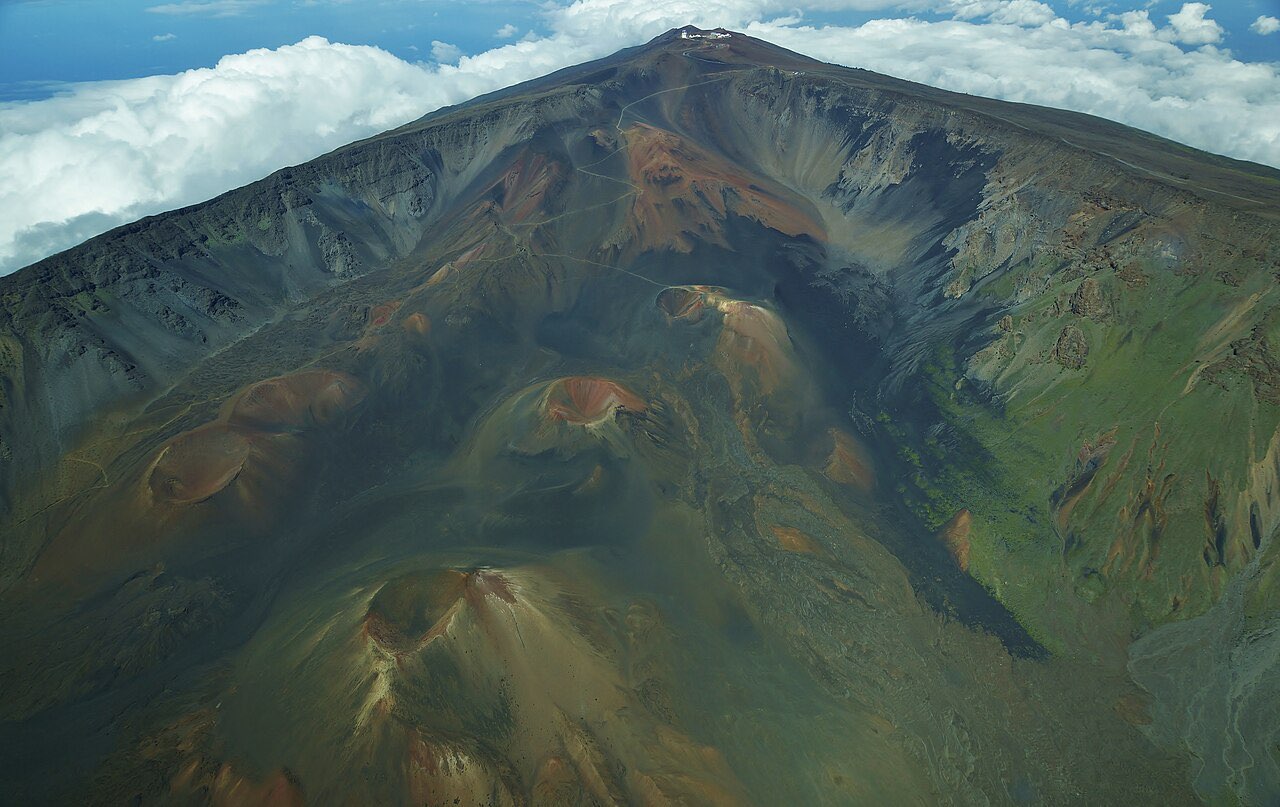
Maui’s other gate is Haleakala. A reservation is required for every vehicle entering the park between 3 a.m. and 7 a.m., it costs $1 on recreation.gov, and it opens 60 days in advance with a further release two days ahead. The National Park Service is explicit that fee-free entrance days do not include the sunrise reservation, so a free-entrance day does not get you up there at dawn. Park entry itself is $30 per private vehicle, valid three days across both the Summit and Kipahulu districts. Our Haleakala sunrise reservations guide covers the booking windows, and the Road to Hana guide covers the island’s other full-day commitment.
Skip Maui if budget is your binding constraint, or if you are uncomfortable travelling in a place still visibly in recovery. Both are legitimate reasons to pick a different island this year.
Kauai: scenery first, everything else second
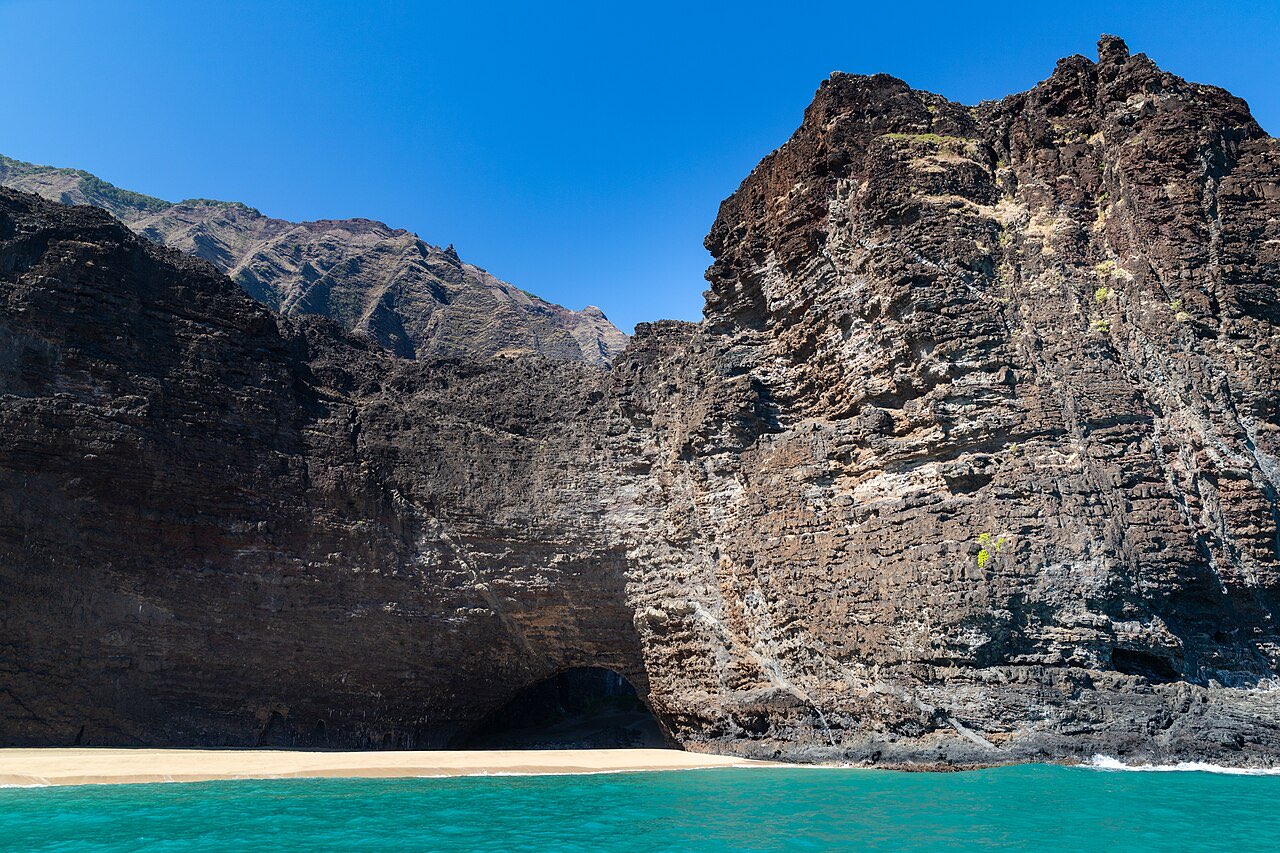
Kauai had 989,084 visitors in the first eight months of 2026 — about a quarter of Oahu’s total — and roughly 25,400 present on an average day. It is the quietest of the four by a clear margin, and the most dramatic: the Napali Coast, Waimea Canyon, the Hanalei side. It is also, at about $320 per person per day, the second most expensive, because there is very little on Kauai that is not priced for visitors.
No road circles Kauai. The highway runs out on the north shore at Haena and on the west at Polihale, so you double back constantly, and “the other side of the island” can be two hours away. Plan one region per day rather than a loop.
Haena State Park, the trailhead for the Kalalau Trail and the walk to Hanakapiai, caps daily visitors and requires advance booking. Non-residents must buy either a park entry reservation at $5 per person or a parking reservation at $10 per vehicle (parking covers the driver and passengers), released 30 days out and routinely sold out. There is a shuttle from Waipa Park & Ride in Hanalei or from Princeville, and the shuttle ticket includes park entry — often the easier option once parking has gone. Details in our Haena and Napali reservations guide.
Skip Kauai if you want restaurants, nightlife or a lot of indoor options for a rainy stretch. Kauai’s north shore is one of the wettest places in the state, and a wet week there with small children is a long week. Our Kauai guide goes into where to base yourself.
Hawaii Island: the one with the volcano and the driving
Hawaii Island — the Big Island — is larger than all the other Hawaiian islands put together, and that single fact drives the whole trip. Kona and Hilo are on opposite coasts with completely different weather, and crossing between them is a real drive, not an errand. Visitors spent about $270 per person per day here, second-cheapest after Oahu, and about 32,000 were present on an average day.
What you come for is range: active volcano, high-altitude stargazing, black-sand beaches, and some of the best shore snorkelling in the state. Hawaii Volcanoes National Park charges $30 per private vehicle. If Haleakala is also on your list, the Hawaii Tri-Park Annual Pass at $55 covers Haleakala, Hawaii Volcanoes and Puuhonua o Honaunau for twelve months — cheaper than the $80 America the Beautiful pass if those three are the only federal sites you will visit in a year.
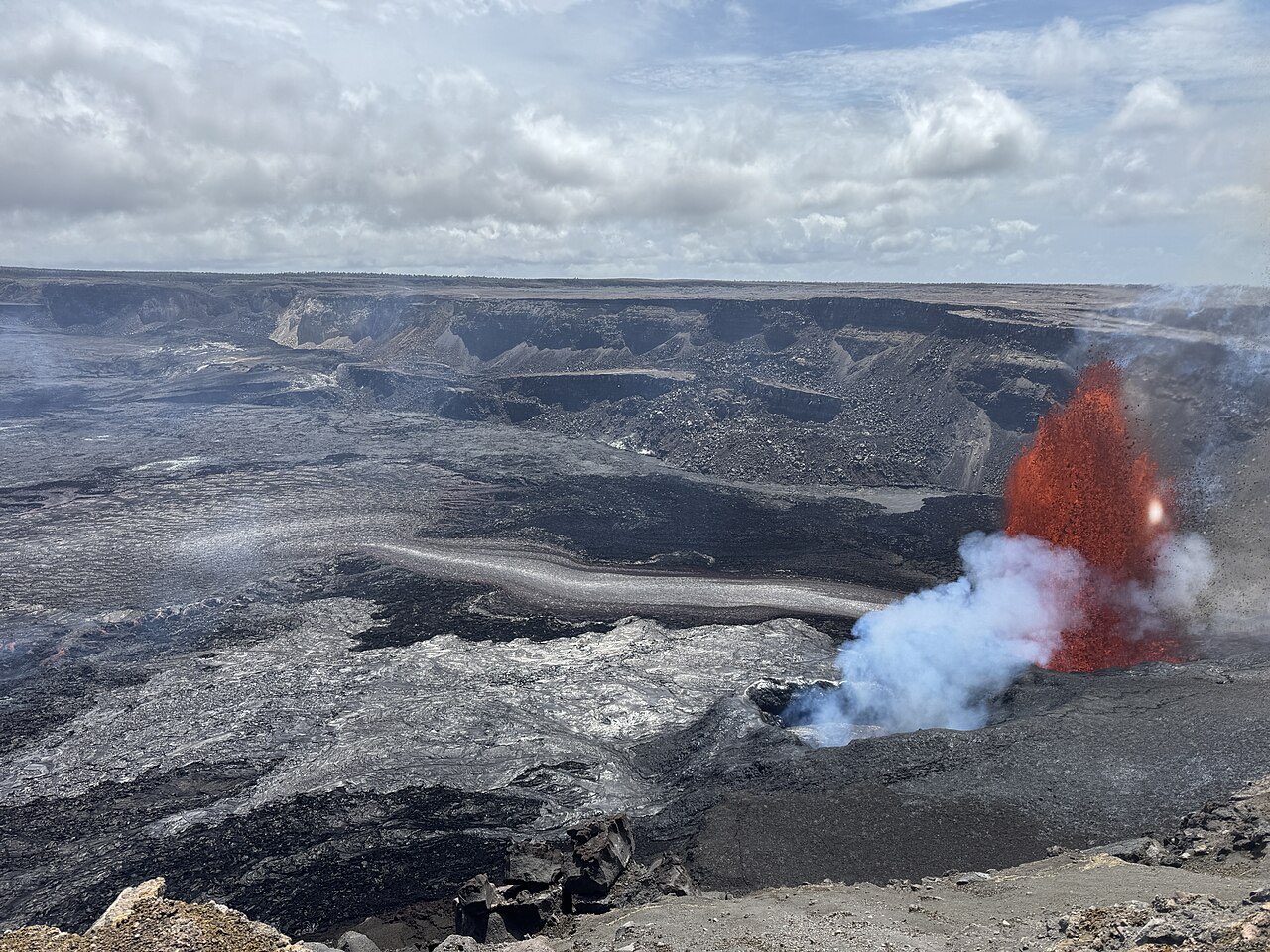
Be realistic about the lava. Kilauea has erupted episodically from vents inside Halemaumau since December 23, 2024, but as the USGS Hawaiian Volcano Observatory describes it, the fountaining episodes generally last less than 12 hours and are separated by pauses of two or more weeks. On October 22, 2026 the observatory had the volcano at alert level ADVISORY with the eruption paused since episode 55 on October 17, and forecast the next episode between October 29 and November 5 — while stating plainly that there is uncertainty in those forecasts. Read the live HVO volcano update before you build an evening around it, and plan the park as a great visit whether or not lava is visible. Our Hawaii Volcanoes National Park guide covers the rest.
Skip Hawaii Island if you do not want to drive. A week here with one base and no appetite for two-hour days in the car will feel like a week spent looking at a map.
How to choose in two minutes
- First trip, one week, want value: Oahu. Add a night or two on a second island only if you have ten days.
- Honeymoon or a resort week, budget is not the constraint: Maui, in Wailea, Kapalua or Kaanapali.
- Hiking, photography, slowing down: Kauai, split between the north and the south.
- Volcanoes, stargazing, snorkelling, variety: Hawaii Island, with two bases rather than one.
- Travelling with young children: Oahu or Maui. The short distances and the density of beaches, pools and food options matter more than scenery. See our Hawaii with kids guide.
- Second or third visit: Kauai or Hawaii Island, because the thing you will remember is the landscape, not the convenience.
Mistakes to avoid
Booking two islands for a seven-day trip. A second island costs a travel day at each end of the switch, a second rental car and a second check-in. The state’s own figures show the average visitor spending about six to seven days per island. Our inter-island travel guide explains when a hop is worth it.
Assuming you can turn up at the gated sights. Haleakala sunrise, Diamond Head and Haena all run on advance reservations, with windows of 60, variable and 30 days respectively. Build your itinerary around those release dates, not the other way round.
Treating a fee-free national park day as a free pass. The National Park Service states that fee-free days do not cover timed entry or reservation fees — and at Haleakala, specifically not the sunrise reservation.
Underestimating drive times. Hawaii Island is bigger than the other islands combined, Kauai has no ring road, and Maui’s Road to Hana is an all-day commitment rather than a morning. Plan one region per day.
Judging the islands by price tags alone. The spending figures above are what visitors actually spent per day, which bundles lodging, food and activities together. They are a good ranking, not a quote. For a build-it-yourself estimate, see our Hawaii budget and costs guide.
Before you book
Check the season as well as the island: our best time to visit Hawaii guide covers the whale-watching window, the wet months and the price peaks, and the Hawaii respectful travel guide covers the etiquette that matters once you are there — on beaches, at cultural sites, and in Lahaina in particular. Prices, hours and reservation rules in this guide were checked against official state and federal pages in October 2026 and change without much notice, so confirm each one on the park or state site before you pay for anything.
Frequently asked questions
Which Hawaiian island is best for a first visit?
Oahu for most people. It has the cheapest and most frequent flights, the widest range of hotel prices, the best public transport and food, and enough landscape — the North Shore, the Windward coast, Diamond Head — that you are not just sitting in Waikiki. State figures for January to August 2026 put per-person-per-day visitor spending on Oahu at about $253, the lowest of the four main islands. Choose Kauai or Hawaii Island instead if the point of the trip is scenery rather than convenience.
Which Hawaiian island is the cheapest?
Oahu, on the numbers the state publishes. Hawaii's Department of Business, Economic Development and Tourism recorded average per-person-per-day visitor spending of roughly $253 on Oahu for January to August 2026, against about $270 on Hawaii Island, $320 on Kauai and $336 on Maui. That is what visitors actually spent, not a price list, but the ranking has been consistent all year.
Can you visit two Hawaiian islands in one week?
You can, but most one-week trips are better on one island. Inter-island flights are short, yet a second island costs you most of a day in transit plus a second rental car, a second check-in and often a second set of resort fees. State data shows the average visitor stay in 2026 running around six to seven days per island. If you have ten days or more, two islands start to make sense.
Do I need reservations for Hawaii's big sights?
For several of them, yes, and they sell out. Haleakala sunrise on Maui needs a $1 per-vehicle reservation for any entry between 3 a.m. and 7 a.m., bookable 60 days ahead. Diamond Head on Oahu requires entry and parking reservations for non-residents. Haena State Park on Kauai, the gateway to the Napali Coast's Kalalau Trail, caps daily visitors and requires entry or parking reservations bought up to 30 days ahead.
Is it OK to visit Maui after the Lahaina fire?
Yes — Maui is open and visitor spending supports the businesses rebuilding. The County of Maui reopened Front Street to traffic on August 1, 2026, with more than a dozen businesses returning, while Market Street, Papelekane Street and Mokuhinia Place stay closed for harbour work. The county asks the public to stay off private property and out of fenced-off areas. Treat Lahaina as a town in recovery, not a sightseeing stop.
Which island has the active volcano?
Hawaii Island. Kilauea has erupted episodically inside Halemaumau crater since December 2024, but the lava fountaining comes in short bursts, usually under 12 hours, separated by pauses of two weeks or more. As of October 22, 2026 the USGS Hawaiian Volcano Observatory had Kilauea at alert level ADVISORY with the eruption paused. Check the HVO update page before you plan a night around it.
Keep planning
- Best Time to Visit the Dominican Republic: Season by Coast
Best time to visit the Dominican Republic month by month: hurricane season dates, Samana whale season, sargassum by coast, and why the north coast runs backwards.
Updated Oct 2026 - Costa Rica in 10 Days: Volcano, Cloud Forest and Coast
A realistic 10-day Costa Rica itinerary — La Fortuna, Monteverde and Manuel Antonio — with honest drive times, official park fees and the booking rules.
Updated Oct 2026 - El Yunque: Reservations, Trails and Waterfalls
El Yunque reservations are no longer required: free PR-191 entry 8am–5pm, the $8 El Portal fee, which trails are open or closed, and how to plan the day.
Updated Oct 2026