Is the Dominican Republic Safe? Resorts, Cities and Driving
In this guide
The Dominican Republic is at Level 2, Exercise increased caution — the US State Department’s second-lowest rating, issued 12 June 2025, for crime. That is the same level applied to France, Italy and Germany. There are no Level 3 or Level 4 zones inside the country, and the UK’s Foreign, Commonwealth and Development Office does not advise against travel to any part of it either.
That is the headline, and it is neither an all-clear nor a warning. The useful version is more specific: the thing most likely to hurt a visitor here is a vehicle, not a criminal. After that come the ocean, then opportunistic theft, then the gap between what a resort can handle and what independent travel asks of you. This guide works through each using what the two governments actually publish, and says plainly where the official numbers disagree with each other.
Nothing here is medical or legal advice. Where an official page gives instructions — reporting a crime, what to do after a crash — follow the page, not a summary.
What the advisories actually say
| US State Department | UK FCDO | |
|---|---|---|
| Overall | Level 2, Exercise increased caution (issued 12 June 2025), for crime | No advice against travel; “the crime rate in the Dominican Republic is high” |
| Crime named | Robbery, homicide, sexual assault, “throughout the country” | Bag-snatching, pickpocketing, violent crime, carjacking, drive-by robbery by thieves on motorcycles |
| Extra risks flagged | Dating-app robberies; scams targeting over-65s; detentions during migration operations | Bank card cloning and identity theft |
| Hurricanes | “Generally from May through November” | “Normally runs from June to November” |
| Roads | “Drive with extreme caution”; 65.2 deaths per 100,000 cited | “A high death rate from road traffic accidents”, worse at Christmas and Easter |
| Water | “Do not swim alone due to the possibility of life-threatening currents” | Lifeguards and rescue equipment may be absent; sea especially dangerous in hurricane season |
| Terrorism | Not flagged as a country risk | “No recent history of terrorism in the Dominican Republic” |
Read the full pages before you go: the State Department advisory and the FCDO safety and security page. Both are updated without notice, and the levels quoted here were checked in October 2026.
One difference worth noting rather than smoothing over: the two governments give different hurricane-season dates. The FCDO uses the standard Atlantic season, June to November. The State Department stretches it to May through November. Our best time to visit guide and the hurricane season guide work through what that means for booking.
Roads: the risk that is genuinely large
If you remember one thing from this page, make it this one. The State Department’s country guidance states that the Dominican Republic’s road crash-related mortality rate is 65.2 deaths per 100,000 people, which it calls the highest in the world, and instructs travellers to drive with extreme caution.
That figure deserves a caveat, which is why we checked it against a second source. The World Health Organization’s Global Health Observatory estimates the Dominican road traffic death rate at 30.8 per 100,000 in 2023 (uncertainty range 20.4–43.8) — roughly half the State Department’s number, which carries no year or source on the page. The direction is identical, and that is what matters: WHO puts the same year’s rate at 18.4 for the United States and 19.6 for Jamaica. On either source, Dominican roads are among the most dangerous in the hemisphere.
What makes them dangerous, per the State Department’s own list: vehicles driving at night without headlights, animals on the road, missing manhole covers and large potholes, scooters weaving between lanes, vehicles on sidewalks or against traffic, intersections without stop signs, and inconsistently enforced traffic law. The FCDO adds poor vehicle condition and drunk driving, and notes that crashes spike around Christmas and Easter.
Two legal facts change how you should think about driving here:
- After a crash causing serious injury or death, the driver is taken into custody while the circumstances are investigated — both governments state this, and both note it happens even when the driver appears not to be at fault.
- In collisions between a car and a motorcycle, the State Department says the car’s driver is usually found at fault regardless of the circumstances.
Practical conclusions. Consider a hired driver or pre-booked transfer rather than a rental — the State Department suggests exactly this, pointing to licensed drivers through local private transport companies. If you do rent, do not drive between cities after dark; the FCDO cites poor lighting, animals, pedestrians and unlit cars. Do not leave your passport with a rental agency, which the State Department warns some firms retain over damage or unpaid bills. And do not use motoconchos, the motorcycle taxis: US government employees are prohibited from riding them, and the FCDO says they are often badly driven and do not always carry a helmet for the passenger. Our driving guide covers insurance, roads and the accident-reporting centres in Santo Domingo and Santiago.
National roadside assistance is +1 829 689 1000.
Beaches and water
The ocean is the second real risk, and it is understated almost everywhere.
The State Department’s single instruction is blunt: do not swim alone, because of the possibility of life-threatening currents. The FCDO fills in why that matters here — lifeguards may not be present at pools or on beaches, safety and rescue equipment may not be available, and the sea is especially dangerous during the hurricane season.
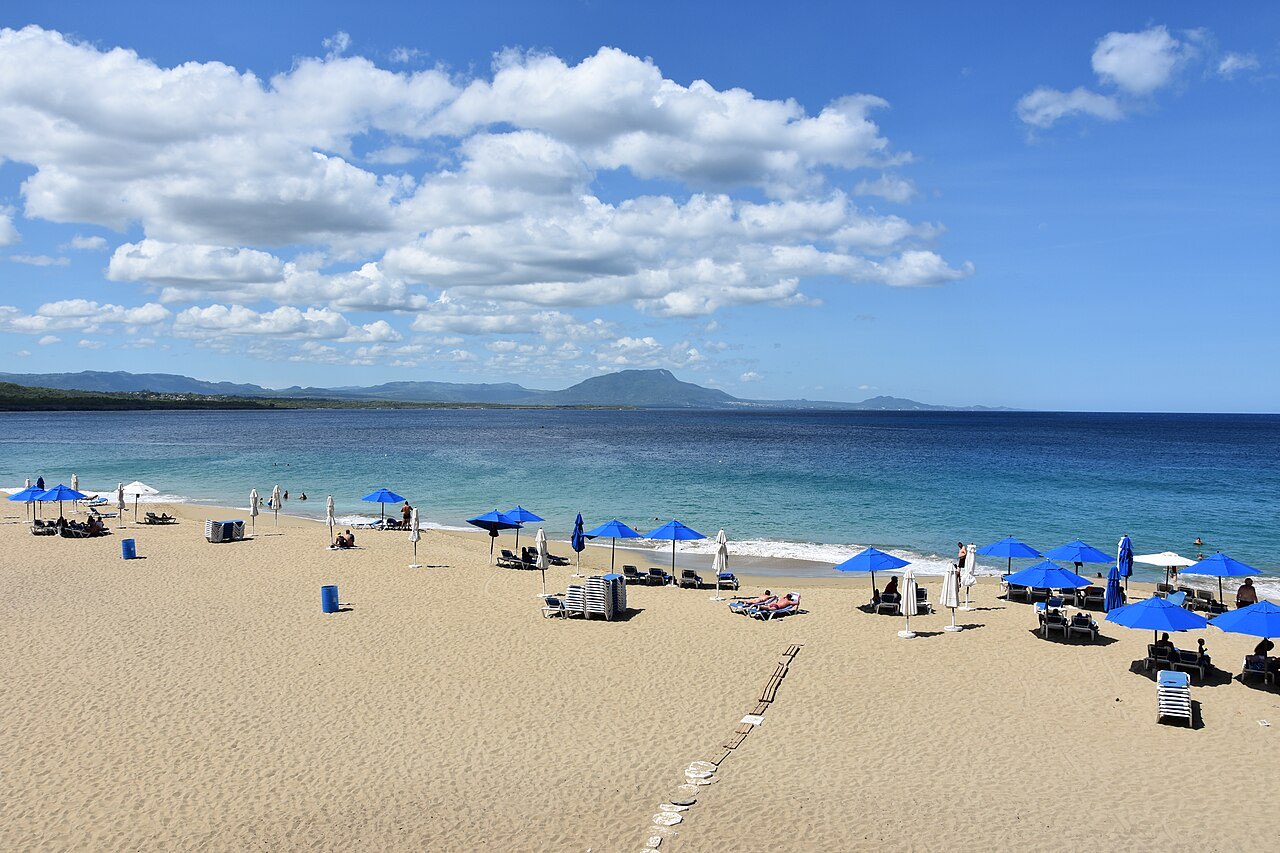
Neither government publishes drowning counts for the Dominican Republic, so we will not invent one. The behavioural advice stands on its own:
- Swim where other people are swimming, in sight of a hotel’s own water staff where one exists, and treat a quiet, empty, beautiful beach as a reason for more caution rather than less.
- Ask at reception about the day’s conditions. Resort beaches on the east coast face open Atlantic water; the north coast around Cabarete is a wind-sport coast precisely because it is not a calm swimming one.
- The FCDO flags that water sports, boat tours, quad biking and horse riding providers may not meet UK safety standards, and that insurance may not cover them. Check both before you get on anything.
The beaches guide covers which coasts behave how.
Resorts versus independent travel
This is where visitor experience diverges most, and where honest framing matters.
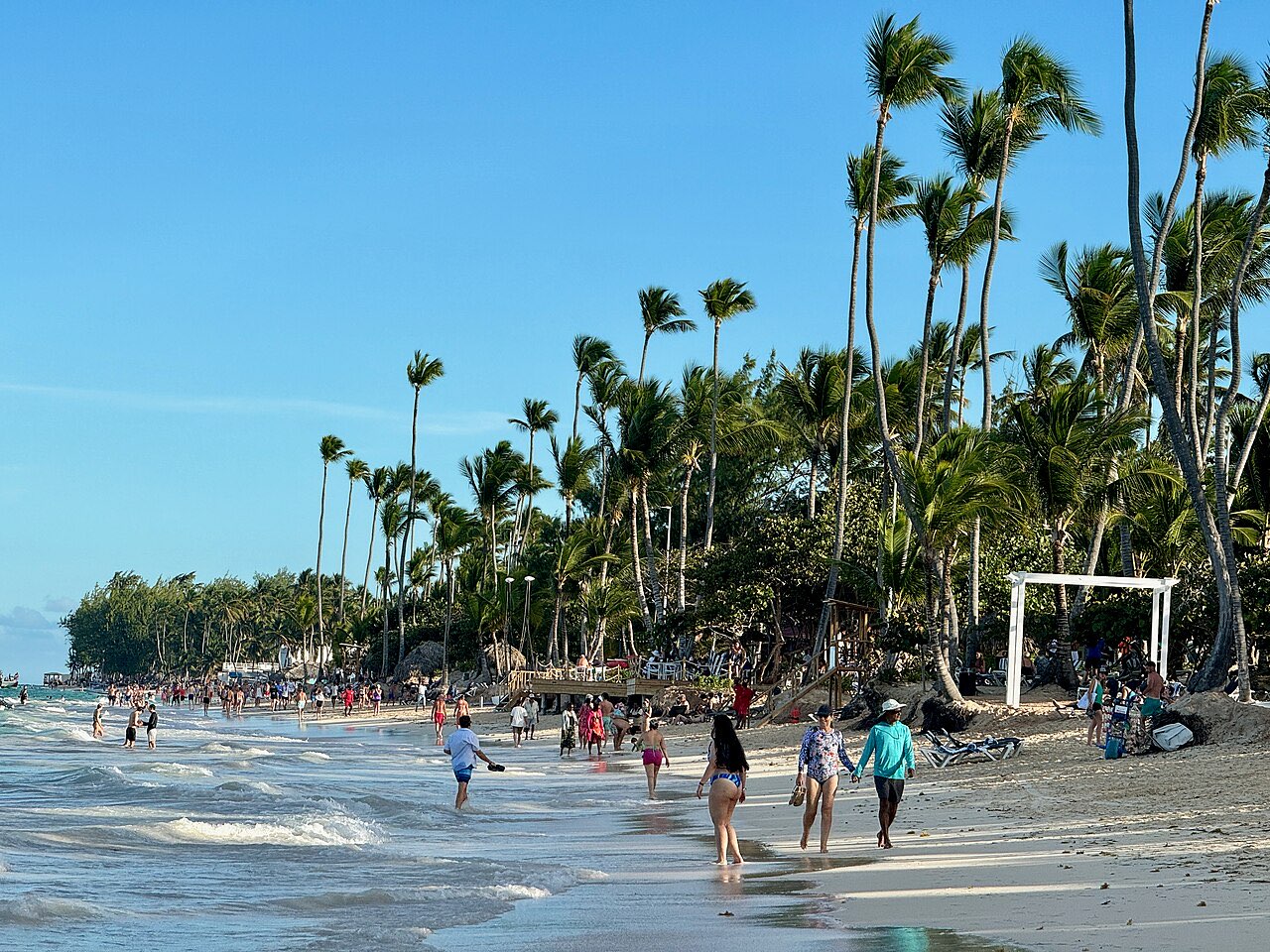
Inside a resort zone, you are in the most heavily policed environment in the country. The Dominican Republic maintains a dedicated tourist police force, POLITUR (809-222-2026), alongside the national 911 system, and large resorts run their own private security. Most of the millions of annual visitors who stay in Punta Cana, Bávaro, Bayahibe or Puerto Plata have an uneventful trip.
But both governments decline to call resorts safe in the simple sense. The State Department states that rape and sexual assault have been reported including at major resorts and hotels, sometimes involving date-rape drugs, and that security outside resort areas is unpredictable, especially at night. The FCDO goes further on who has been implicated: in some reported cases, hotel employees or fellow guests. The State Department’s practical advice — talk to management or police about unwelcome advances from staff, avoid remote corners of resort property, do not leave food or drinks unattended, do not drink alone or with new acquaintances — is the kind of thing that only appears on a government page when there is a pattern behind it.
Two procedural points matter if the worst happens. The State Department warns that rape kits are often unavailable until the next morning and must be administered by Dominican authorities, that victims must specifically request medication to prevent STDs and pregnancy, and that prosecution moves slowly. And the FCDO notes you must formally report a crime to Dominican authorities before leaving the country for it to be investigated. Consular staff at the US Embassy in Santo Domingo (809-567-7775) or the British Embassy can help with reporting and translation.
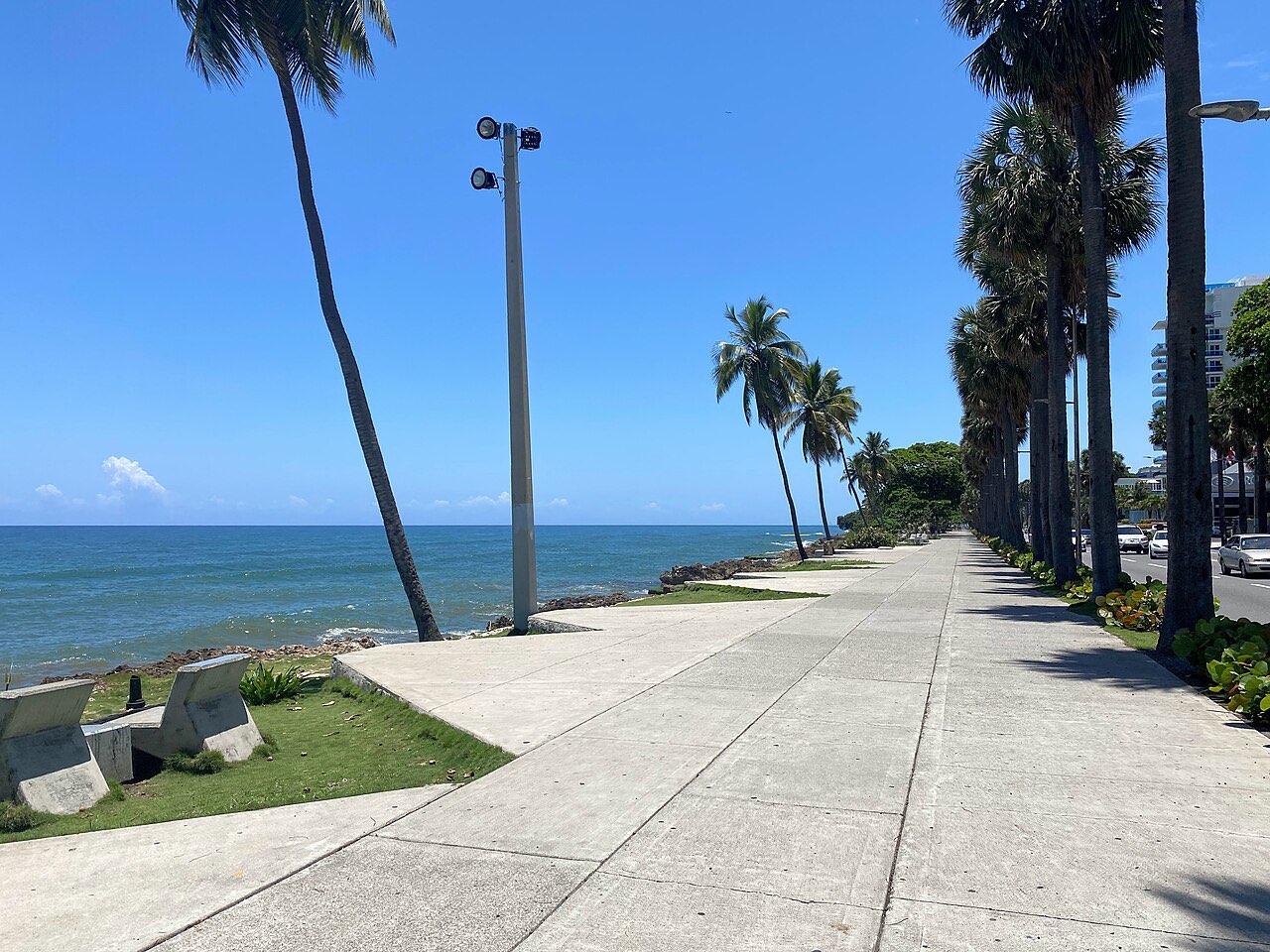
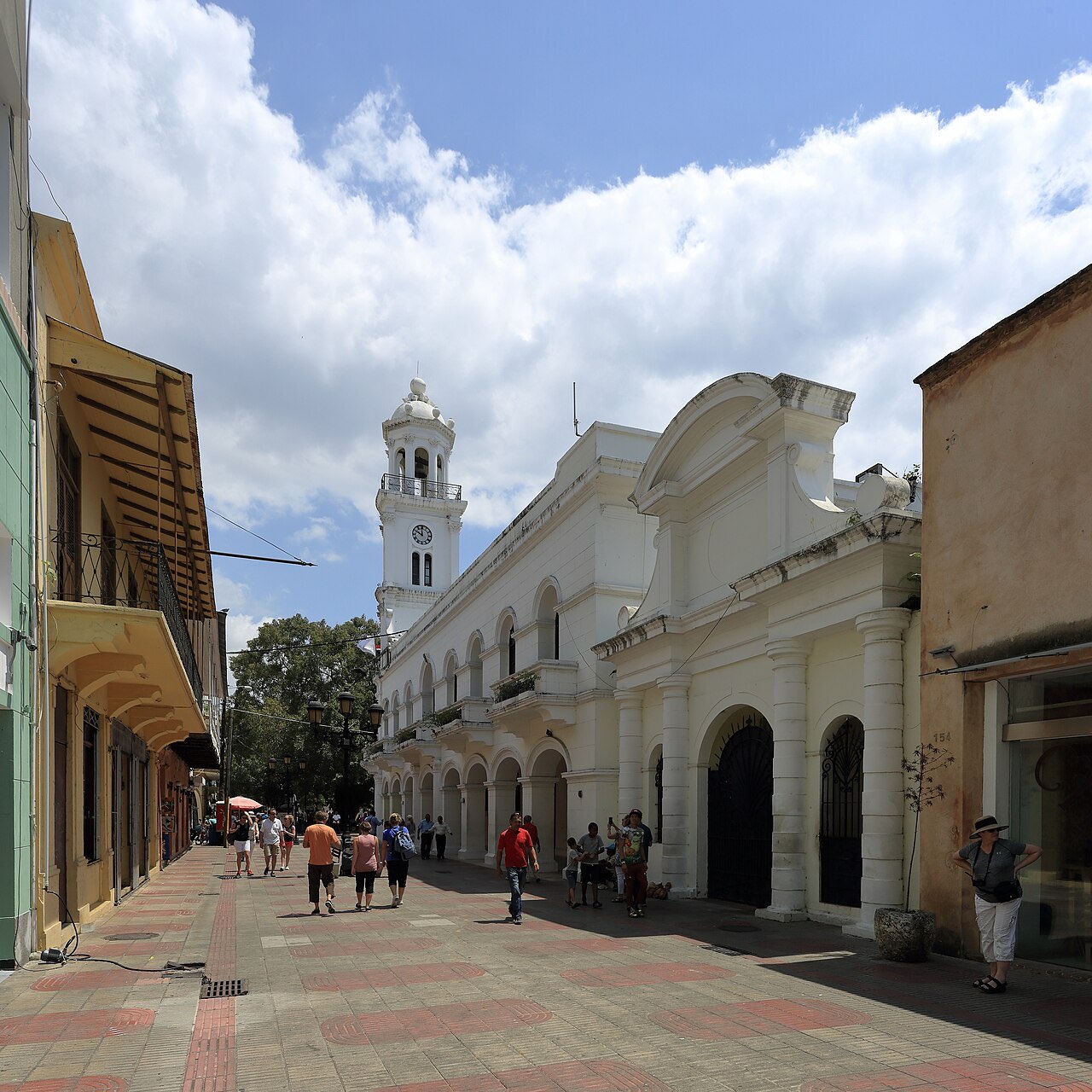
Independent travel — Santo Domingo’s Zona Colonial, the north coast, the mountains at Jarabacoa — is entirely normal and widely done, and it asks more of you. The behaviours both governments repeat are mundane and effective: phone out of sight on the street, no jewellery or large amounts of cash, bags on the side away from the road, car windows up and doors locked at lights, nothing left on chairs in restaurants, no remote areas after dark, and if you are robbed, hand things over without resisting. The State Department adds that criminals are rarely caught and prosecuted, which is the real argument for not resisting.
Our Santo Domingo guide and Punta Cana guide cover the two ends of that spectrum in detail.
Theft, scams and money
Petty and opportunistic crime is the category most visitors will actually brush against.
- Drive-by snatching. The FCDO describes thieves on motorcycles snatching bags and valuables from pedestrians, and sometimes reaching through car windows at red lights. This is the specific reason for the “windows up at junctions” advice.
- Card cloning. The FCDO names bank card cloning and identity theft as a risk and advises keeping your card in view when paying, or paying cash.
- Dating apps. The State Department reports US citizens robbed by people they met through dating applications, and advises meeting only in public places.
- Scams. Romance scams and “family member in trouble” calls target visitors and residents, particularly people over 65. Contact the embassy before wiring money anywhere.
- Taxis. Do not hail taxis off the street. Use a hotel-recommended or registered company, or a ride-hailing app, which is available in many areas. Public buses and carros públicos are, per the FCDO, often uninsured, unregistered and poorly maintained; private intercity bus companies are good.
On money itself: the local currency is the Dominican peso (DOP/RD$). The Banco Central’s reference rate on 21 October 2026 was RD$60.98 to buy and RD$61.37 to sell one US dollar — roughly 61 pesos to the dollar, and worth re-checking on the Banco Central’s rate page before you travel. In practice you will see two price worlds: local shops, colmados, street food and public transport price in pesos, while resorts, excursions, airport transfers and dive operators usually quote directly in US dollars. Carrying a small amount of pesos for the peso world reduces how often you pull out a card or a large note. More in the money guide.
Police, checkpoints and ID
Carry identification. The State Department advises carrying your passport at all times, partly because Dominican authorities run frequent operations aimed at expelling Haitian migrants, with vehicle checkpoints and random stops; it notes some US citizens have been mistakenly identified as Haitian migrants and temporarily detained, and in rare cases assaulted. Comply, and notify your embassy immediately if you are detained. The FCDO instead advises carrying copies of your passport photo page and entry stamp, so the safe approach is to carry the passport and keep copies separately.
If police stop you for a traffic violation, the FCDO says they should not ask you for money directly; fines are payable online through the Attorney General’s traffic-infraction service. The State Department reports that some traffic police have asked for bribes, and advises politely refusing and asking for an official ticket.
Near the Haitian land border things are different: 911 does not work everywhere, military checkpoints are routine, and the US Embassy states plainly that it cannot help US citizens cross the land border in either direction.
Health, water and weather
Not medical advice — but three facts shape a trip.
Most private hospitals require payment in advance and do not accept US health insurance, and Medicare and Medicaid do not work abroad. Both governments strongly recommend insurance covering medical treatment and evacuation. Ambulances are, per the State Department, generally unreliable or unavailable in most areas, and more reliable in Santo Domingo, Santiago, Punta Cana and Puerto Plata. The department also carries an unusually direct warning that many US citizens have suffered serious complications or died during or after cosmetic or other elective surgery in the country, with very limited recourse for malpractice.
Tap water in many areas is not safe to drink. Use bottled water and ask for drinks without ice where the ice may be made from tap water.
Storms, floods and earthquakes. Tropical systems are the seasonal hazard, flooding can arrive without warning during heavy rain, and the country is earthquake-prone with a tsunami risk from offshore quakes. The Dominican emergency management centre (COE) issues Spanish-language alerts through its AlertaCOE app, and the US National Hurricane Center publishes the regional picture. Our hurricane season guide covers rebooking.
Entry admin that trips people up
Not a safety issue, but it ruins more mornings than crime does. Every traveller must complete the Dominican migration eTicket for each entry and exit — it is free, and the State Department confirms it is required both ways. The $10 tourist card is included in airline charges. Stays over 30 days need a visa, and overstaying produces a fine on departure, starting at roughly $56 for one month and rising above $1,660. Full detail in our entry requirements guide.
The honest summary
The Dominican Republic is a mainstream destination that millions of people visit each year without incident, carrying the same advisory level as much of Western Europe. It is also a country where the roads kill at a rate several times the US figure, where beaches often have no lifeguard, and where both governments publish specific warnings about assault at resorts rather than treating resorts as a safe bubble.
Handled with the usual precautions — a driver instead of a rental, swimming where others swim, phone out of sight, nothing unattended, insurance that covers evacuation — the risk profile is ordinary. The common thread in nearly every serious incident the advisories describe is being alone: alone in the water, alone on a dark street, alone with someone met online. Plan around that and most of the rest takes care of itself.
Advisory levels, dates and figures here were checked against official sources in October 2026 and change without notice. Confirm the current advisory on travel.state.gov or gov.uk before you travel, and see our list of common Dominican Republic mistakes for the non-safety traps.
Frequently asked questions
What is the current travel advisory level for the Dominican Republic?
Level 2, Exercise increased caution, issued 12 June 2025 by the US State Department, for crime. That is the same level the department applies to much of Western Europe. There are no Level 3 or Level 4 sub-areas inside the country. The UK Foreign, Commonwealth and Development Office does not advise against travel either, but describes the crime rate as high and names bag-snatching by thieves on motorcycles, carjacking and card cloning.
What is the single biggest risk to visitors in the Dominican Republic?
The roads. The State Department tells travellers to drive with extreme caution and cites a road crash mortality rate of 65.2 deaths per 100,000 people. The World Health Organization's own modelled estimate for 2023 is lower at 30.8 per 100,000, but even that is well above the 18.4 it estimates for the United States. The FCDO adds that the country has a high death rate from motorbike and scooter crashes specifically.
Are Punta Cana and the all-inclusive resorts safe?
Resort zones are the most policed parts of the country, with a dedicated tourist police force (POLITUR) and private security, and most visits pass without incident. But neither government treats resorts as risk-free: the State Department notes that rape and sexual assault have been reported including at major resorts and hotels, and the FCDO says hotel employees or fellow guests have been implicated in some cases. Treat a resort as safer, not safe.
Is it safe to swim at Dominican beaches?
Swim where other people are swimming, and never alone. The State Department's advice is explicit: do not swim alone because of the possibility of life-threatening currents. The FCDO adds that lifeguards may not be present at pools or on beaches and that safety and rescue equipment may not be available, and that the sea is especially dangerous during the June-to-November hurricane season.
Should I rent a car in the Dominican Republic?
Many visitors are better off with a hired driver or a private transfer, which the State Department suggests directly. If you do drive, avoid driving outside the main cities at night, and know that after a crash causing serious injury or death the driver is taken into custody while it is investigated even if they appear not to be at fault — a rule both governments state. In car-versus-motorcycle collisions, the State Department says the car driver is usually found at fault regardless of circumstances.
Which areas of the Dominican Republic should I avoid?
No official source ranks Dominican regions or resort zones by risk, and any guide that does is guessing. The advisories are country-wide and behavioural rather than geographic: avoid remote areas after dark, do not display valuables, do not walk alone at night, and be careful near the Haitian land border, where 911 coverage is incomplete and military checkpoints are routine.
Keep planning
- Best Time to Visit the Dominican Republic: Season by Coast
Best time to visit the Dominican Republic month by month: hurricane season dates, Samana whale season, sargassum by coast, and why the north coast runs backwards.
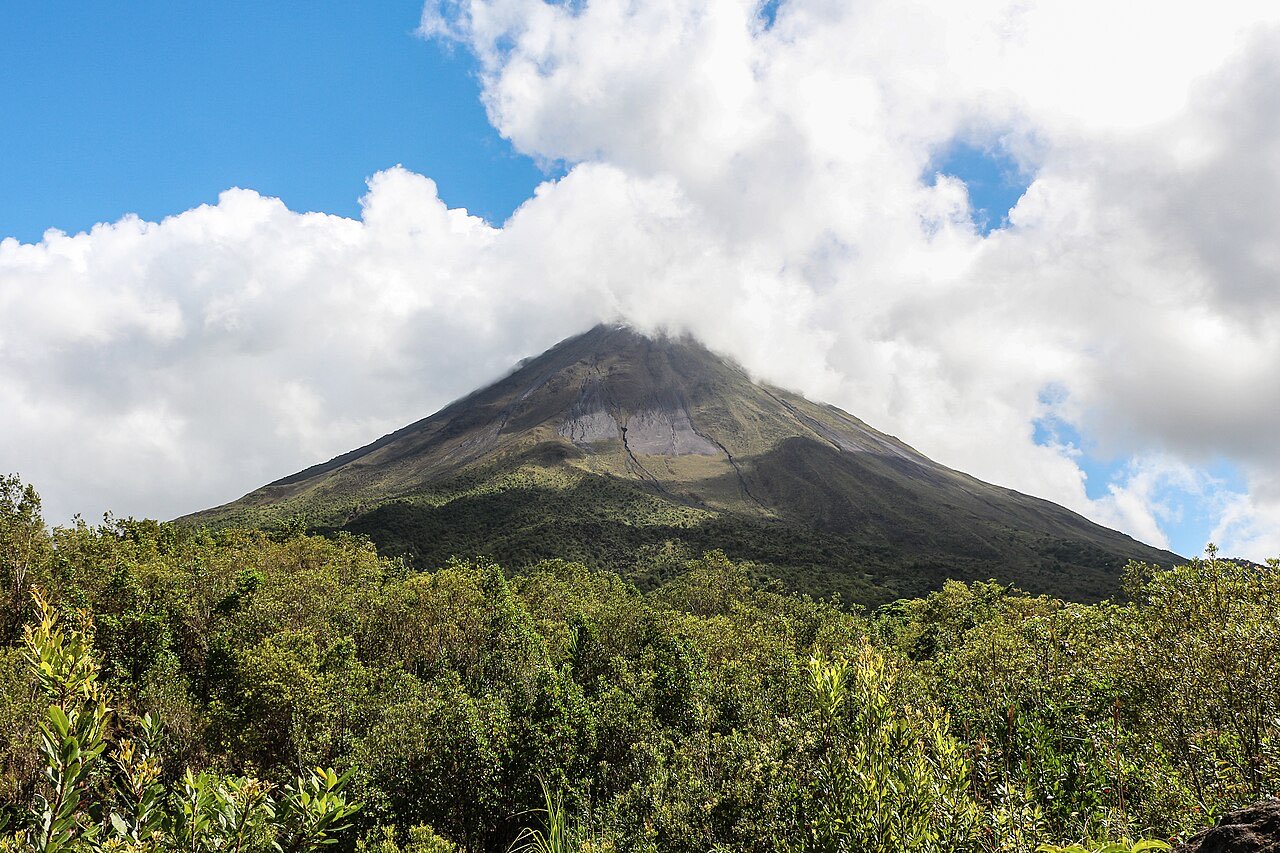
Updated Oct 2026 - Best Time to Visit Costa Rica: Dry, Green and Shoulder Season
Best time to visit Costa Rica month by month: Pacific dry season dates, why the Caribbean is driest in September, and green season prices.
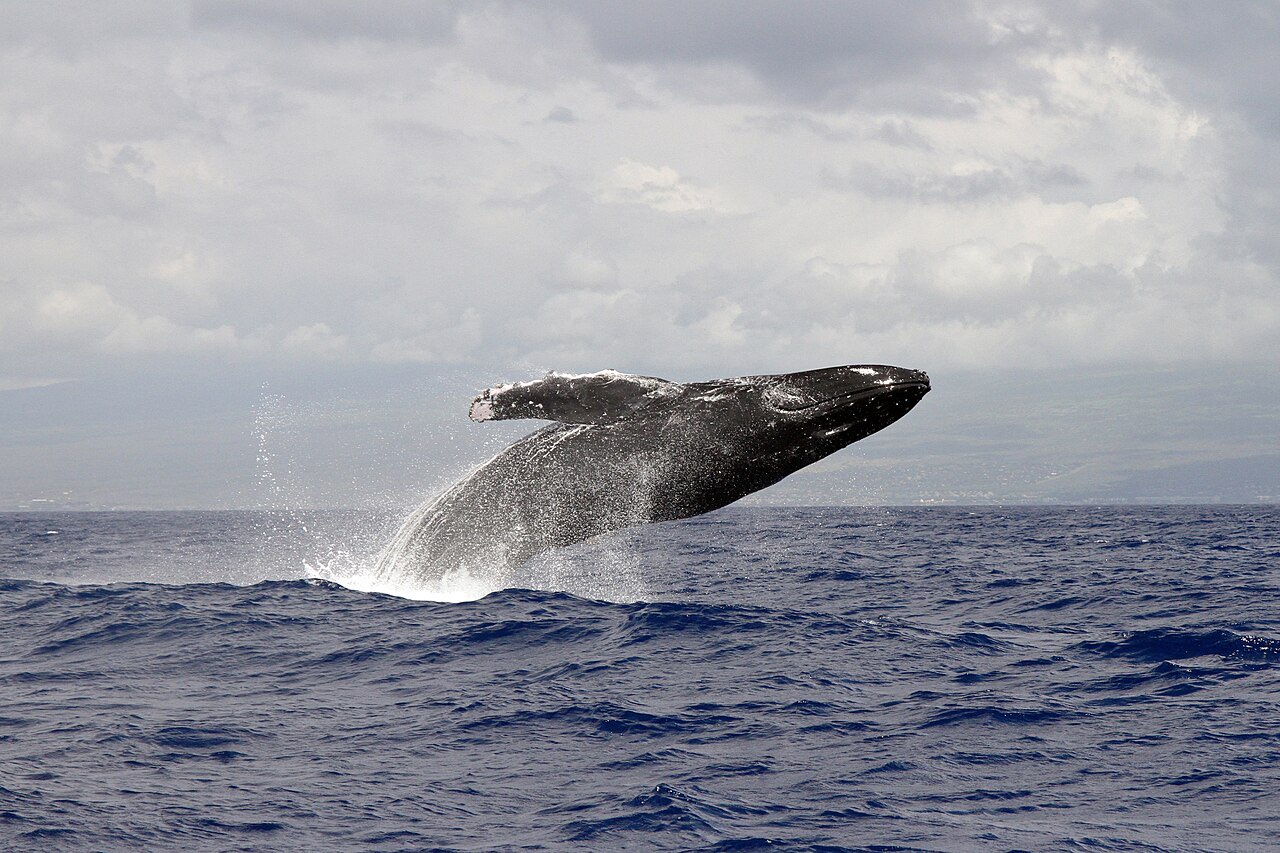
Updated Oct 2026 - Best Time to Visit Hawaii: Season, Prices and Surf
Best time to visit Hawaii month by month: whale season, winter surf, the rainy season and the price peaks that actually decide when you should go.
Updated Oct 2026